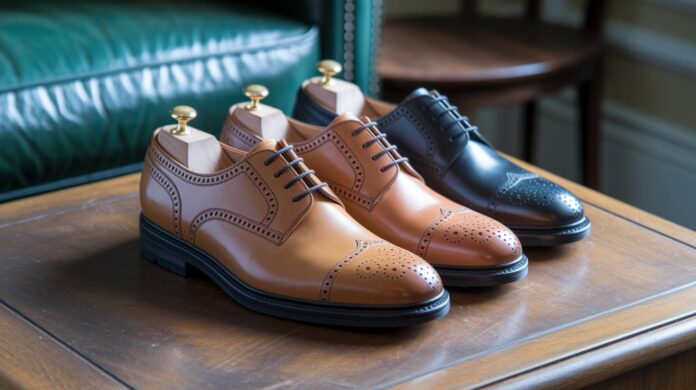

Ever wonder what makes dress shoes feel uniquely awesome? It starts with the materials. Whether it's rich natural leather (that soft inside feel), a striking exotic hide (fancy animal skin in plain words), or a modern synthetic option made for comfort, every part counts.
Each element, from the smooth upper to the strong sole and breathable lining (helps your feet stay cool), adds to a shoe that matches your style and keeps you comfy all day. Little details, when combined, create a look that's not just sharp but built to last.
What Materials Are Used in Dress Shoes: Insight
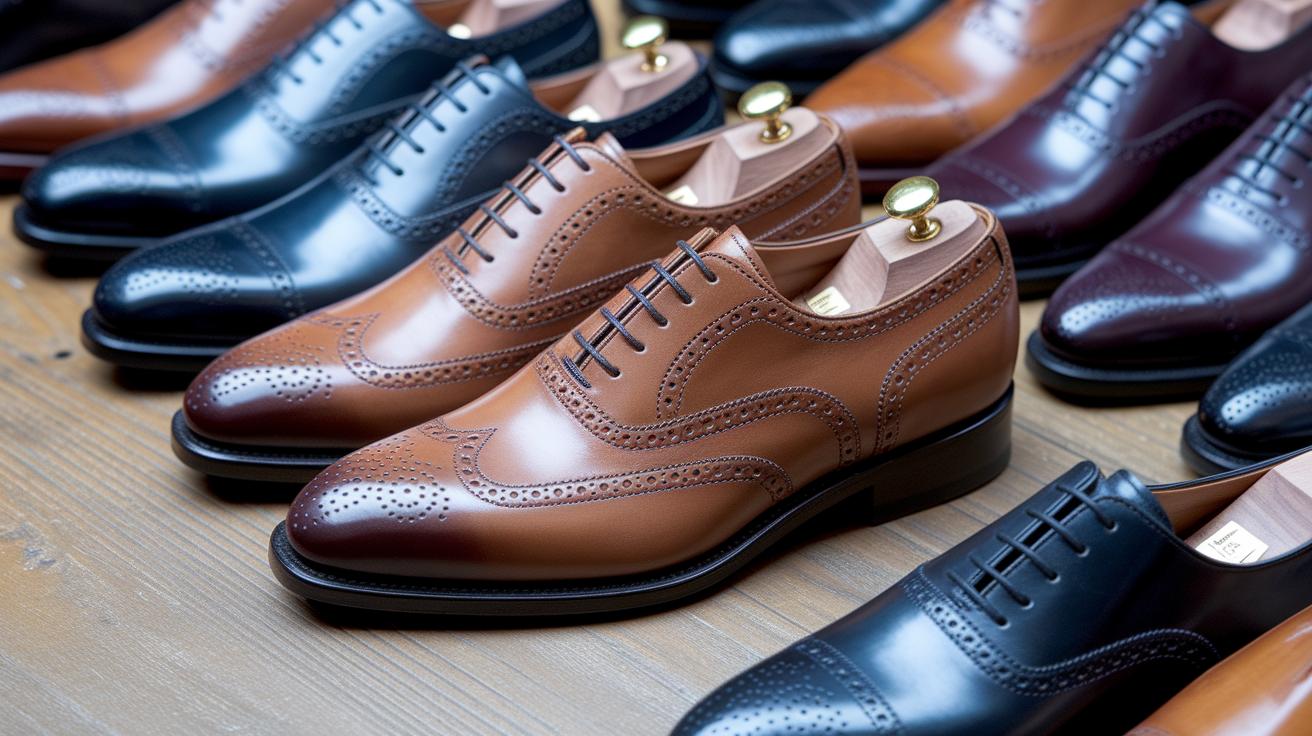
Choosing the right materials for your dress shoes is key to finding that perfect blend of comfort and durability. The quality of the upper leather, the toughness of the sole, and the airflow from the lining all come together to give your shoes that great feel every time you wear them.
Let's break it down:
- Natural leather types: This includes full-grain, top-grain, genuine leather, suede, nubuck, patent leather, and shell cordovan. They start off looking sharp and get even better the more you wear them.
- Exotic hides: Materials from animals like crocodiles, ostriches, or lizards give your shoes a unique pattern that stands out, kind of like a signature style.
- Synthetic or vegan options: Made from materials like PVC, cork, fruit waste, bi-cast leather, or bonded leather, these choices let you enjoy a cruelty-free option that still looks and feels like real leather.
- Outsoles: You can choose a traditional hide-based leather outsole for a classic vibe or go for rubber, which offers extra grip, better traction, and water resistance.
- Linings and insoles: Often crafted from calfskin, pigskin, or a mix of textiles, they make sure your shoes stay breathable and comfy, keeping your feet cool and dry.
Each of these materials plays its part in making dress shoes that are both elegant and built to last. Next time you grab a pair, think about how every element, from the soft, rich leathers to the tough, flexible soles, works together to give you a stylish yet comfortable experience.
Leather Varieties in Dress Shoes
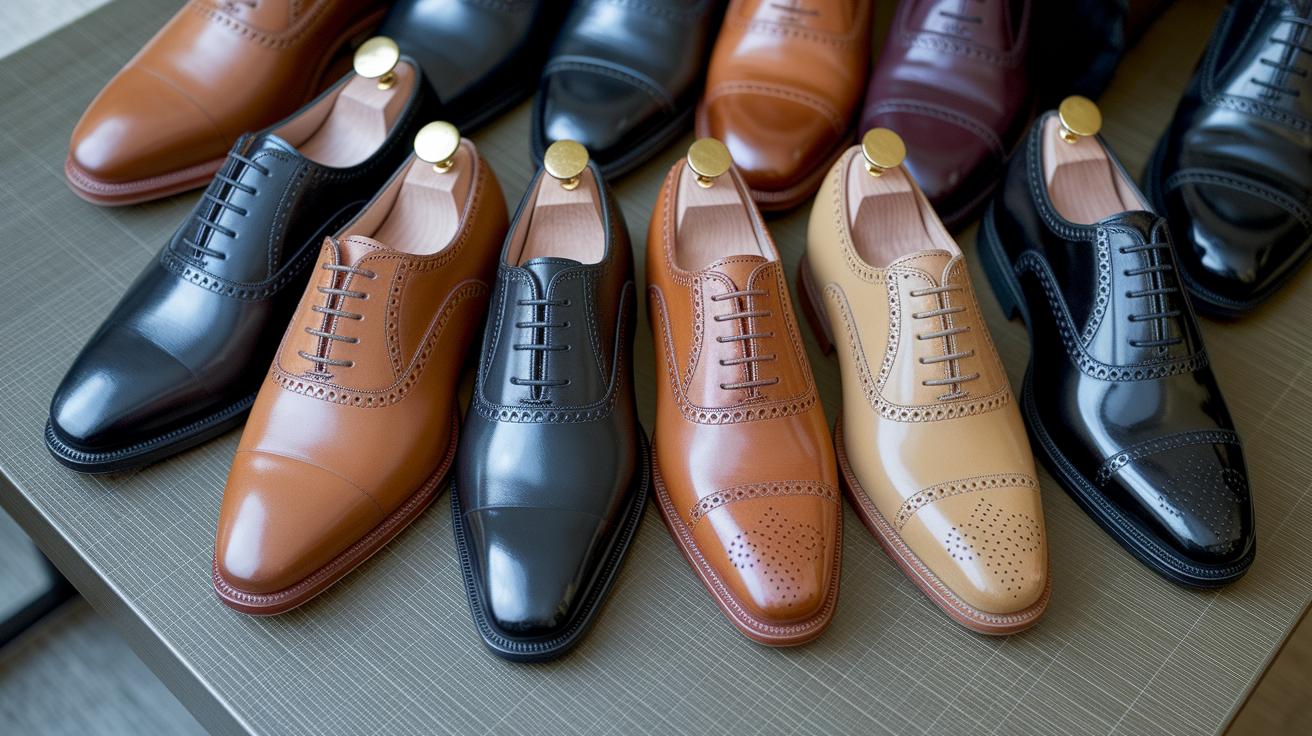
The leather you choose totally shapes how your dress shoes feel, look, and even last over time. Each type has its own vibe and care routine that really makes a difference.
Full-Grain Leather
Full-grain leather keeps all the natural marks from the hide, giving each pair its own unique personality as you wear them. It comes from the very top layer, which means it's super tough and gets a cool patina (that shiny layer that forms with use). Many folks swear by it for shoes meant to stick around for years.
Top-Grain Leather
Top-grain leather is gently polished to smooth out little blemishes, so every shoe looks even and neat. This process also makes it better at fighting off stains, while still showing off much of the leather’s natural charm. It might not be as rugged as full-grain, but it delivers a smart, refined look at a friendlier price.
Calfskin & Shell Cordovan
Calfskin is a favorite because it feels soft and smooth with a fine grain that looks really classy. Then there’s Shell Cordovan, a special treated layer of horsehide known for not creasing easily and staying strong for ages. Both options scream luxury, which means they come with a higher price tag, but they add that extra dash of elegance.
Exotic Hides
Exotic hides like crocodile, ostrich, and lizard offer bold, signature patterns that instantly make an outfit pop. They need a bit more special care because they’re delicate, and they tend to be pricier. Still, if you’re after a statement look that really stands out, these are the go-to choices.
Specialty Finishes: Suede, Nubuck & Patent in Dress Shoes
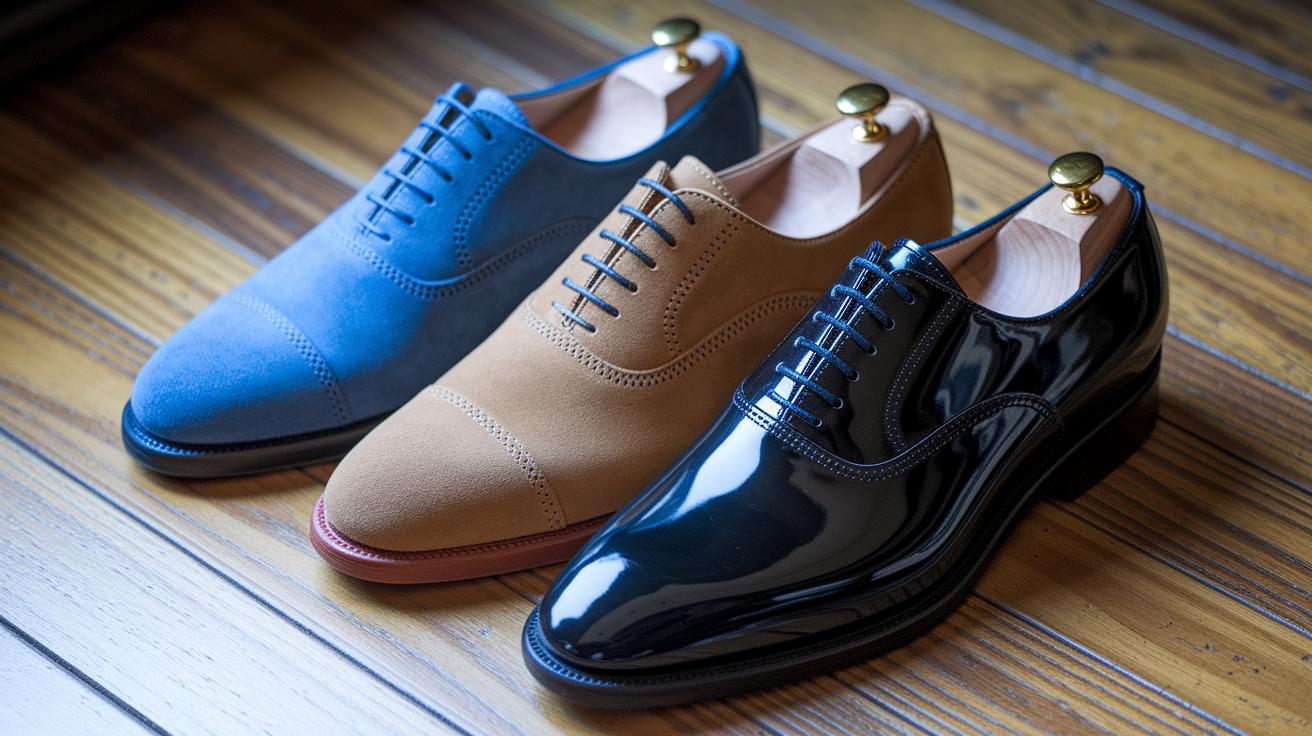
Your dress shoes' finish isn’t just about looking sharp, it also affects how they stand up to everyday wear. Each finish gives a different vibe, from a soft touch underfoot to a smooth, polished look that feels ready for any occasion. They let you choose a pair that fits both a fancy event and your off-duty style.
Suede is known for its velvet-like feel and light, breezy weight. It’s great at soaking up vibrant colors, but it can stain pretty quickly and needs a little brushing now and then. Check out how to clean suede dress shoes for some easy tips. It’s perfect if you’re going for a casual, comfy look.
Nubuck gives you a gently sanded full-grain texture that’s smoother than suede, think of it as a refined version with a hint of rugged charm. It does need a bit of extra care to avoid stains, so it’s best suited for folks who don’t mind a little maintenance to keep its natural beauty.
Patent Leather, on the other hand, features a shiny topcoat that’s water-resistant and super low-maintenance. It’s the go-to choice for formal events when you want your shoes to stand out with a brilliant, glossy finish.
In short, picking the right finish is all about balancing style with how much care you’re ready to give your shoes. Enjoy finding the pair that works perfectly with your lifestyle!
Synthetic & Vegan Alternatives for Dress Shoes
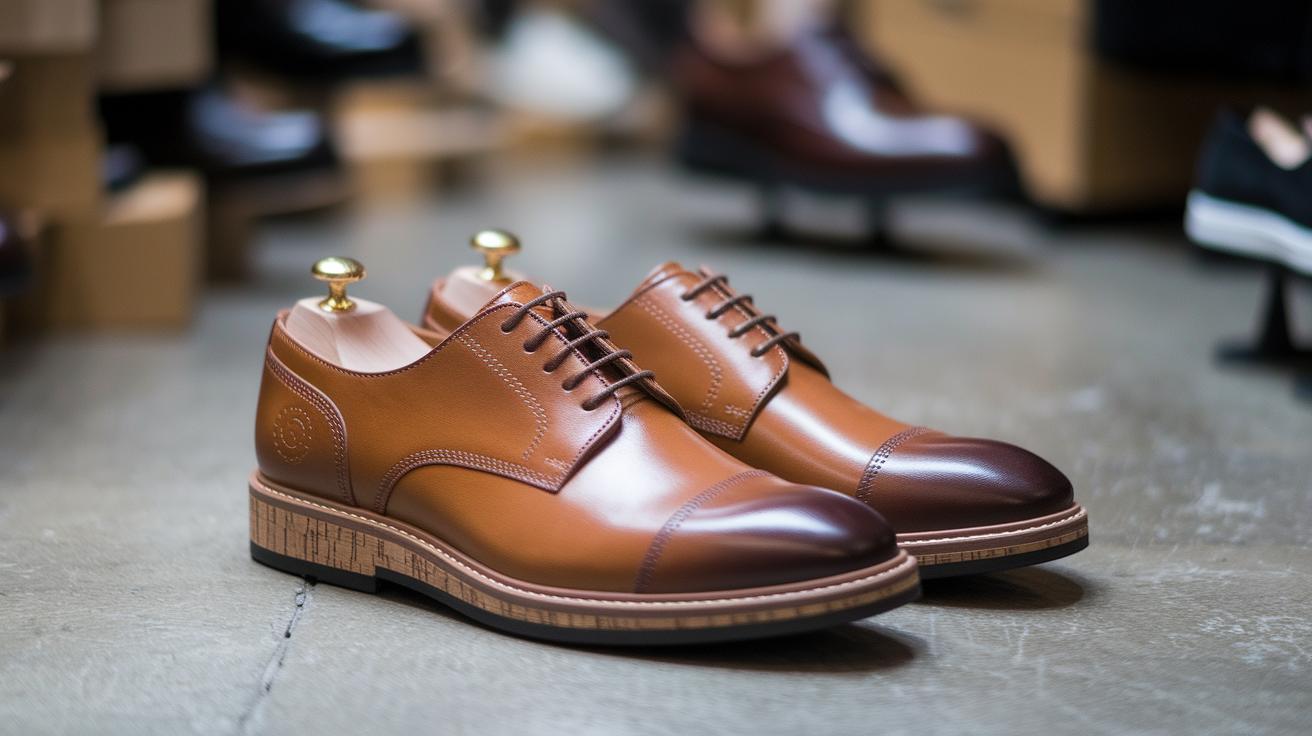
Ever looked for dress shoes that care for animals and still keep that stylish vibe? Non-animal leather options are stepping up fast, offering a cool look that feels a lot like traditional leather but with a kinder twist.
Vegan leather comes in all sorts of forms made from materials like PVC, PU, cork, or even fruit waste. These man-made options mimic the natural look of leather (imagine the rich texture you expect) and are built to last. They’re usually easier on the wallet while still delivering that classic leather feel. Plus, advances in synthetic finishes mean these shoes now feel just as flexible and comfy as the real deal.
On another note, biodegradable leather is crafted from organic blends that break down naturally over time. This eco-friendly choice is perfect for those who care about their footprint. There’s also recycled bonded leather, which gives off a similar vibe but might need a little extra care to look its best.
Outsole Materials & Innovations in Dress Shoe Construction
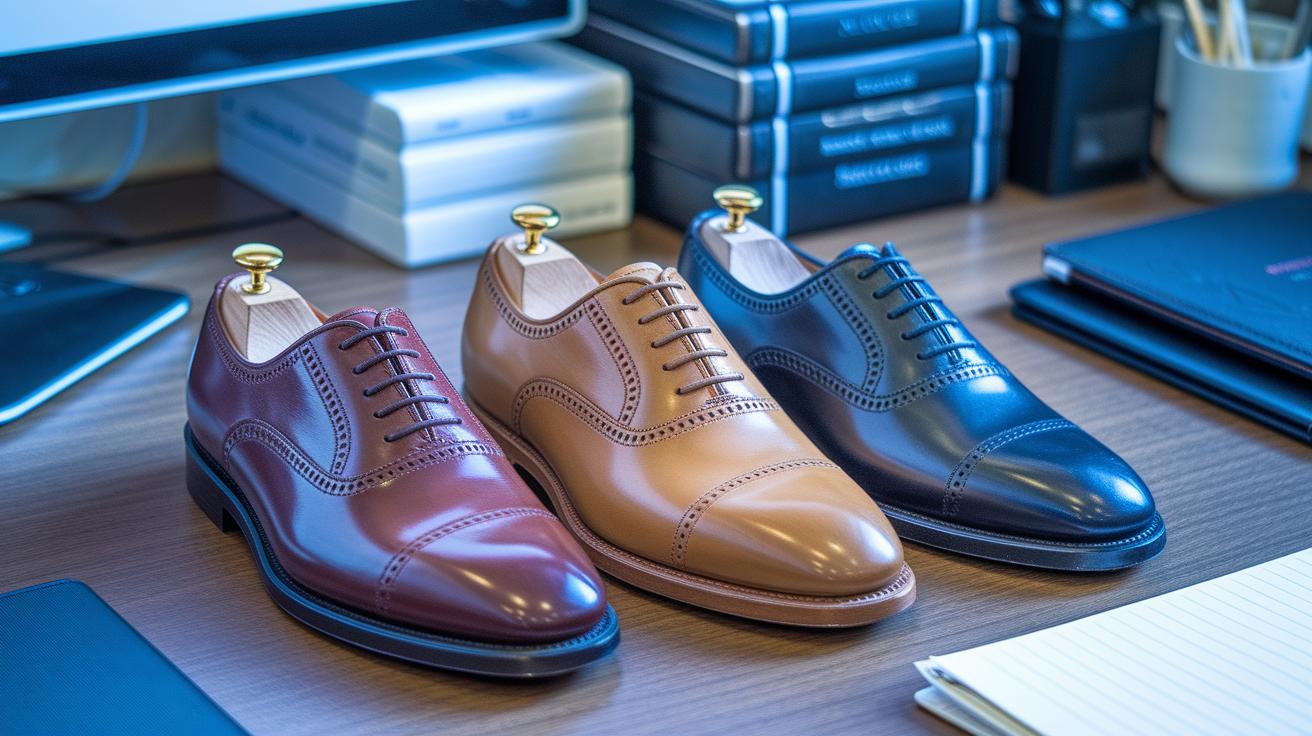
When it comes to dress shoes, the outsole really makes a difference in how they perform every day. The material used changes not only the look but also gives each pair its grip, comfort, and flexibility. For example, leather outsoles have that classic, timeless style that gets softer and molds to your foot over time, adding a refined touch to formal outfits. But when it rains, they can lose some grip because of their natural make-up.
Rubber outsoles, like Dainite or Vibram styles (think of them as special formulas for extra grip), kick things up a notch with great traction and water resistance. Their unique tread designs make them super reliable on slick surfaces. Then there’s thermoplastic, or TPU, which mixes durability with a lightweight, flexible feel, perfect for those who want strong shoes that still let them move freely.
| Material | Durability | Traction | Water Resistance |
|---|---|---|---|
| Leather | Moderate | Lower when wet | Low |
| Rubber | High | Excellent | High |
| TPU | High | Good | Moderate |
So, if you're dressing up for a formal event, a leather outsole gives you that classic, polished look. But for everyday wear, the steady grip of rubber or TPU’s mix of strength and flexibility might just be the perfect choice.
Linings & Insoles: Comfort Systems in Dress Shoes
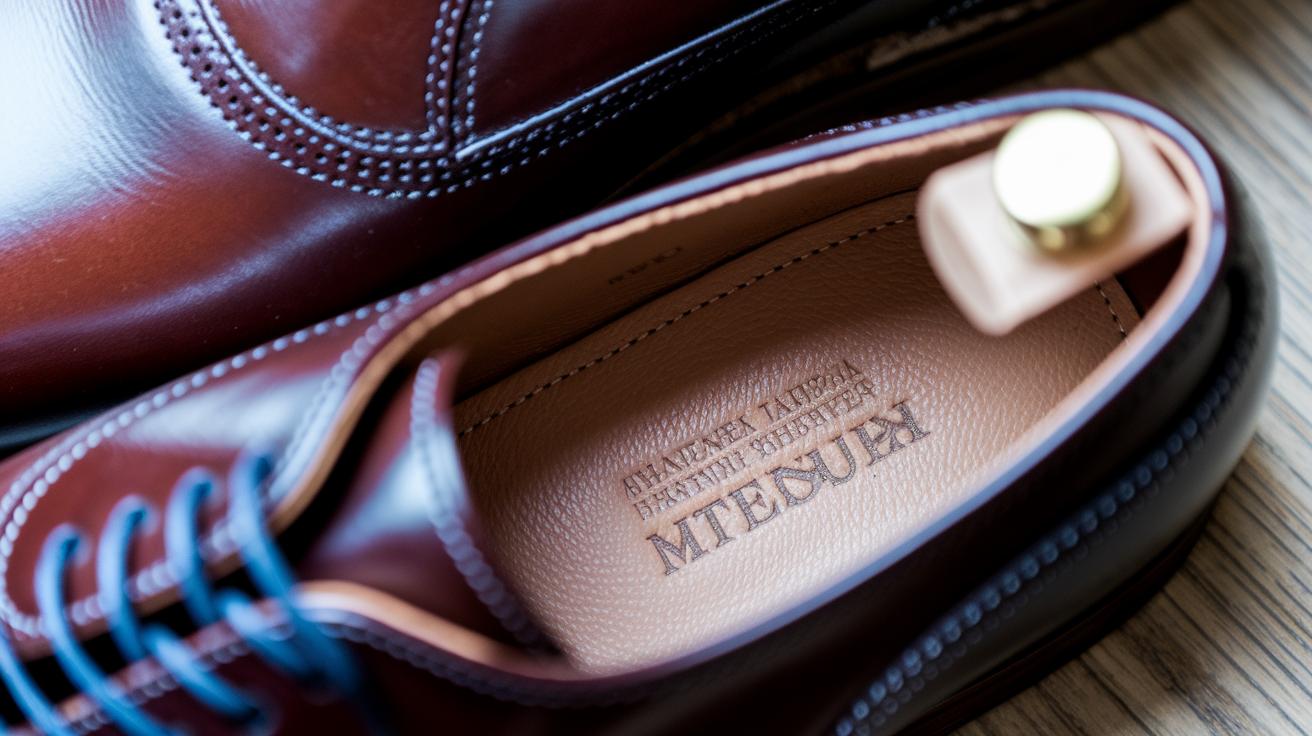
When it comes to dress shoes, everything begins with the lining. You know, these linings are handpicked from materials like calfskin, pigskin, and different fabric blends. They work together to keep your shoes cool and let your feet breathe all day long. Plus, they add a soft, comforting feel while help keeping your feet at just the right temperature, even during long days on the go.
Now, let’s chat about the insole, the secret sauce for comfort. These insoles aren’t just one layer; they’re built with a mix of goodies like leather-covered cork, EVA foam (a light cushioning material that absorbs shock), and memory foam layers. Over time, they gently mold to your foot, offering a personal fit and extra support, making every step feel soft and secure. It’s really a neat design focusing on keeping you comfortable from dawn until dusk.
Moisture control is another big deal. Think about it: a dry, fresh shoe makes a world of difference. That’s why many dress shoes use smart features like perforated footbeds, moisture-wicking fabrics, and even antimicrobial treatments. These help keep dampness away and control unwanted smells, so your shoes stay as fresh as they look and feel every time you slip them on.
Finishing & Detailing in Dress Shoe Materials
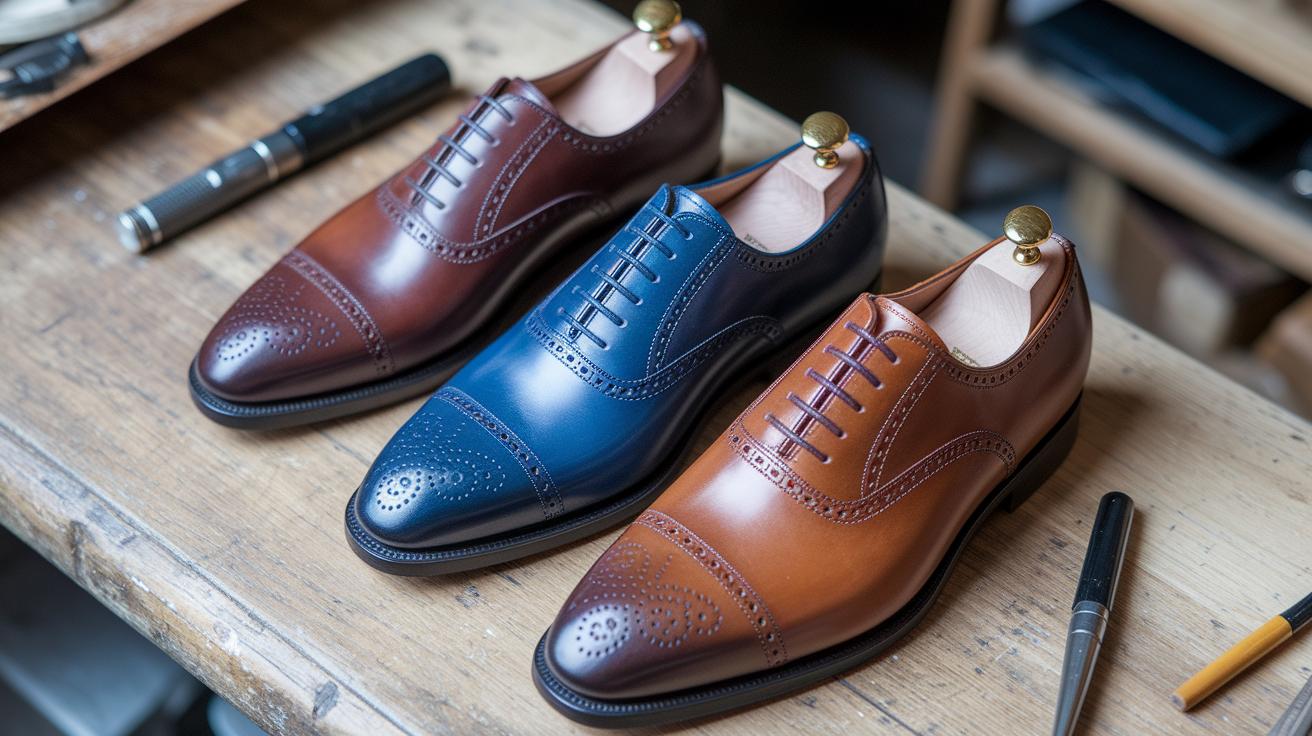
When it comes to dress shoes, the way they're stained and dyed really makes a difference in keeping them looking fresh. Designers pick between aniline finishes, which let you see the leather's natural marks but might fade a bit sooner, and pigmented topcoats that lock in a steady color for longer-lasting wear. Imagine a pair that keeps a consistent, vibrant tone, even after daily use.
The dye process itself is both an art and a bit of a science. Craftsmen hand-apply multiple layers to create either a matte or glossy feel. This careful work not only makes the shoes look great but also helps repel water from minor spills. And sometimes, you'll find fun embossed patterns like faux croc or lizard prints, adding a little extra texture that makes the shoes stand out.
Stitching is another key area where every little detail counts. Whether they choose a Blake construction or the classic Goodyear welt (a method that attaches the sole to the upper for extra strength), you'll notice decorative broguing or reinforced seams. These stitching choices give each shoe a unique look while boosting its durability and echoing a rich artisanal tradition.
Finishing touches go beyond just the dye work. Hand-applied patina and waxed finishes add an extra layer of protection. They seal in the color and create signature textures that keep your shoes stylish and durable, no matter what your day throws at you.
Final Words
In the action, we explored dress shoes from every angle. We broke down core materials, from natural leathers to vegan alternatives, and looked at specialty finishes, innovative outsoles, and comfy linings. This deep dive shows what materials are used in dress shoes and how each choice boosts style, durability, and comfort.
By examining these details, you'll be better prepared to spot quality and enjoy a more confident step every day. Enjoy stepping into new looks and experiences with your next pair!