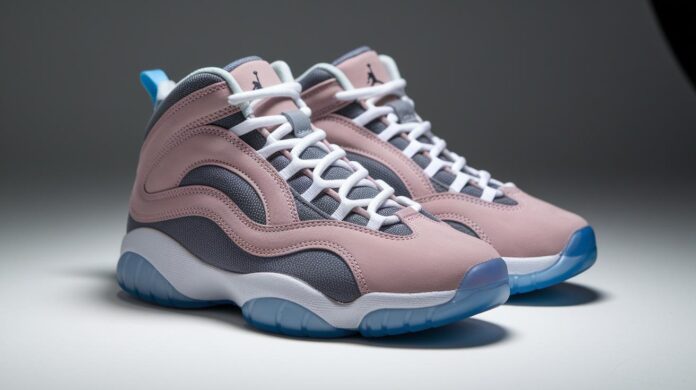

Ever wonder if spending more on your sneakers really means you're getting the best quality? A lot of folks believe that a high price tag automatically means they’ll last longer and feel comfier. But when you run a few simple tests, those tall tales just don’t add up.
In "Crisp Clarity," we take a closer look at these common myths. For example, some say tossing any pair into the washing machine or swapping them out every six months is the way to go. We’re here to share real, hands-on facts that help you see which tips work and which are just stories.
Curious about the truth behind your favorite sneakers? Keep reading and get the real scoop.
Clearing Up the Top Trendy Sneaker Myths
Sneaker myths cling on because so many stories mix overblown marketing with old tales passed along by word of mouth. Fans often hear catchy lines like "more expensive means better quality." But really, a high price tag doesn't always mean your sneakers will stand up to everyday wear and tear. We all love a quick answer, and that’s why these ideas stick.
Rumors also grow when bits of truth spread out of context. Too often, simple advice skips over real testing and expert know-how. Over time, these half-truths turn into “accepted” wisdom, even when careful research shows a different story.
- Price equals quality myth: Many assume expensive sneakers last longer, but studies show budget options can perform just as well.
- Machine washing myth: Some folks think every pair can go in the washing machine, not realizing that this can damage materials like leather and suede.
- Six-month replacement myth: The belief that you need new shoes every six months ignores the expert advice to rotate your sneakers based on actual wear.
- White sneaker cleanability myth: It’s easy to fall for the idea that white sneakers are doomed to look dirty, even though a few simple cleaning tricks can make them shine again.
- Limited-edition resale value myth: While rarity might seem to boost a sneaker’s value, real market demand and cultural buzz are what truly drive long-term resale performance.
In this article, we’re diving into expert data and hands-on tests to bust these myths wide open. With controlled durability tests, specific care experiments, and a close look at market trends, we’re here to help you see fact from fiction and pick the perfect pair with total confidence.
Debunking Price vs Quality in Trendy Sneakers
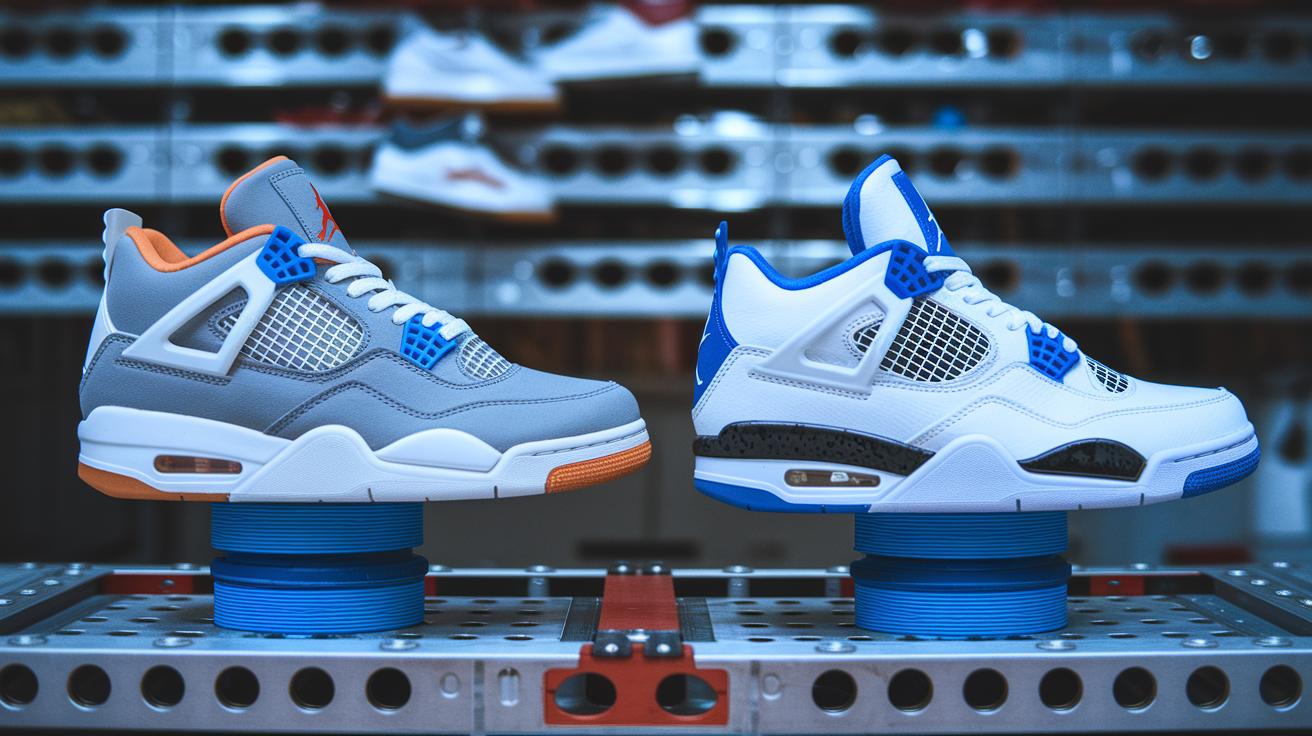
A lot of folks think that a high price means you'll get better performance. You might have heard that expensive sneakers are built to last and offer extra comfort, and for many, that idea guides what they buy.
But here’s something interesting: recent tests, where they checked how much wear sneakers could handle and looked at their cushioning (the soft inside that makes each step comfortable), show that many affordable sneakers can stand up to the heavy hitters. In one test, a pair of budget kicks managed way more stress cycles than expected, proving that you don’t have to break the bank for durability.
So, if you're on the hunt for cool sneakers that are comfy and tough, remember, you can skip the pricey labels. It’s all about checking out real performance and not just the cost tag.
Trendy Sneaker Maintenance Misconceptions
You might think throwing any sneaker into the washing machine will clean it up, but not all pairs are built for that rough spin. For example, sneakers made from leather or suede can warp or crack when they face harsh washing action.
If your kicks are crafted from canvas or synthetic blends, a gentle cold wash should do the trick without harming the fabric. For leather sneakers, spot-cleaning works great, just grab a soft cloth and a bit of mild cleaner. And if you notice scuffs on leather, a magic eraser can help; for canvas, a little baking soda paste can remove stubborn stains. It’s easy to fall into the trap of using one cleaning method for every type of shoe, but high temperatures or aggressive cycles can quickly ruin delicate materials. Always follow the care label, you’ll keep your sneakers looking fresh and extend their life.
Following these tips, like rotating your sneakers and avoiding daily machine washes for fragile pairs, helps maintain both their look and their structure. So, lean on the manufacturer's recommendations to keep your favorite shoes in top shape over time.
The Truth on Replacement and Wear for Trendy Sneakers
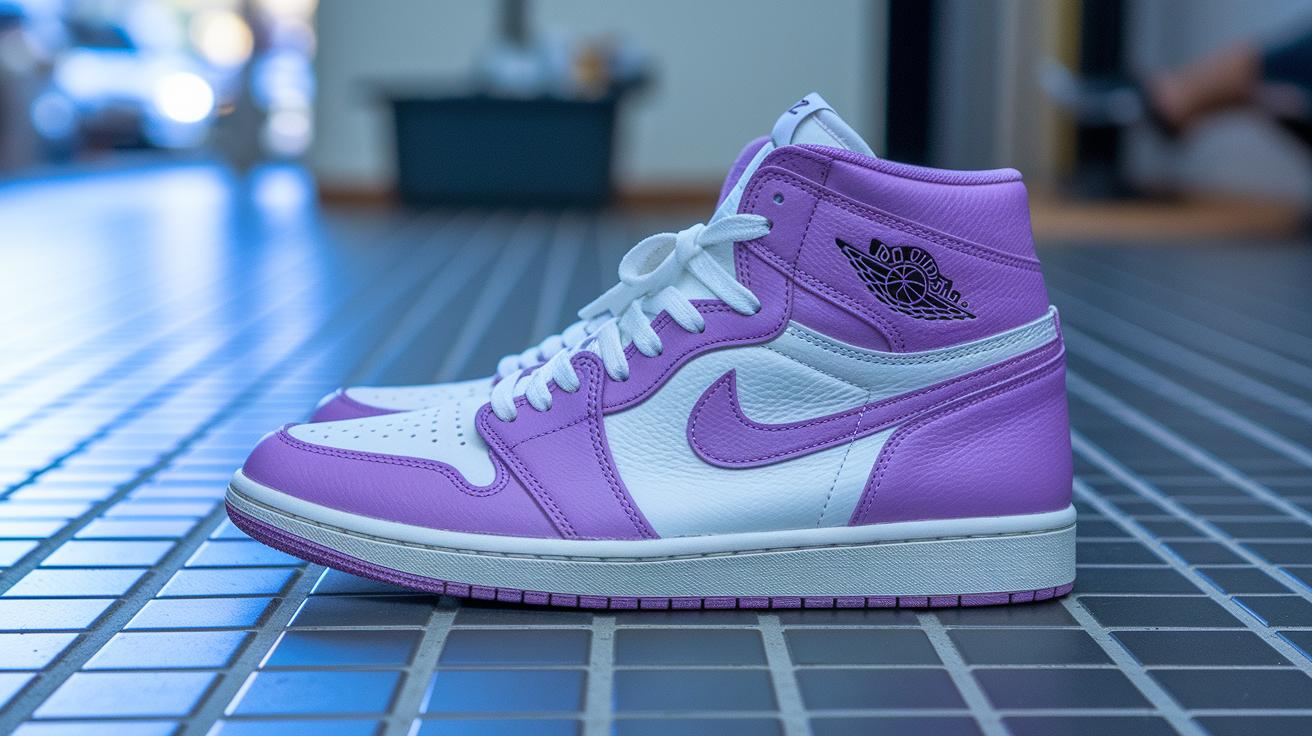
Podiatrists say it’s smart to swap out your daily sneakers every 8 to 12 months. Even if your shoes seem to be holding up well, the cushioning (the soft inside that makes each step comfy) and insoles can start to lose their magic over time.
In fact, the insoles might lose their arch support and even change color within 6 to 12 months. That little change can mean your shoes aren’t as comfy or stable as they once were.
Every time you wear them, everyday wear and tear slowly takes its toll on the inside parts, which work just as hard as the outside design to keep your feet feeling great and fighting off any discomfort.
Rotating your sneakers gives each pair a chance to rest, which keeps them in better shape longer. Stick to this schedule, and you’ll always enjoy that snug, secure feeling every time you step out.
Authenticity Myths in Iconic Trendy Sneakers
A lot of sneaker fans stress over labels like "Made in China," but honestly, that tag doesn’t mean the kicks are any lower in quality. Big names like Nike and Air Jordan make many of their popular sneakers in countries such as China, Vietnam, and Indonesia. It’s all about blending quality with smart production. For example, the upcoming Nike drop exclusively in China on June 1, 2025 isn’t a sign of inferior craftsmanship, it’s simply a market strategy. Modern production methods mean performance and value are always a top priority.
Ever heard a soft squeak coming from your sneakers and wondered if it’s a sign of something off? Usually, that little noise comes from trapped air, moisture, or just a bit of friction inside the shoe, much like a creaky door hinge that could use a little oil. It’s simply the sound of flexible parts doing their thing and has nothing to do with whether your sneakers are genuine. So if you catch a slight squeak, trust that it’s just the result of well-engineered materials at work.
These days, counterfeit sneakers can look incredibly real, even to veteran sneakerheads. Luckily, smart new tech is here to help. For instance, AI-powered scent analysis (that’s a tool which checks a sneaker’s smell against a trusted baseline) can detect over 95% of fakes by picking up tiny differences in materials and chemicals used in production. With these tools, you can shop with confidence knowing that authenticity goes far beyond just appearances.
Limited-Edition and Resale Value Rumors in Trendy Sneakers
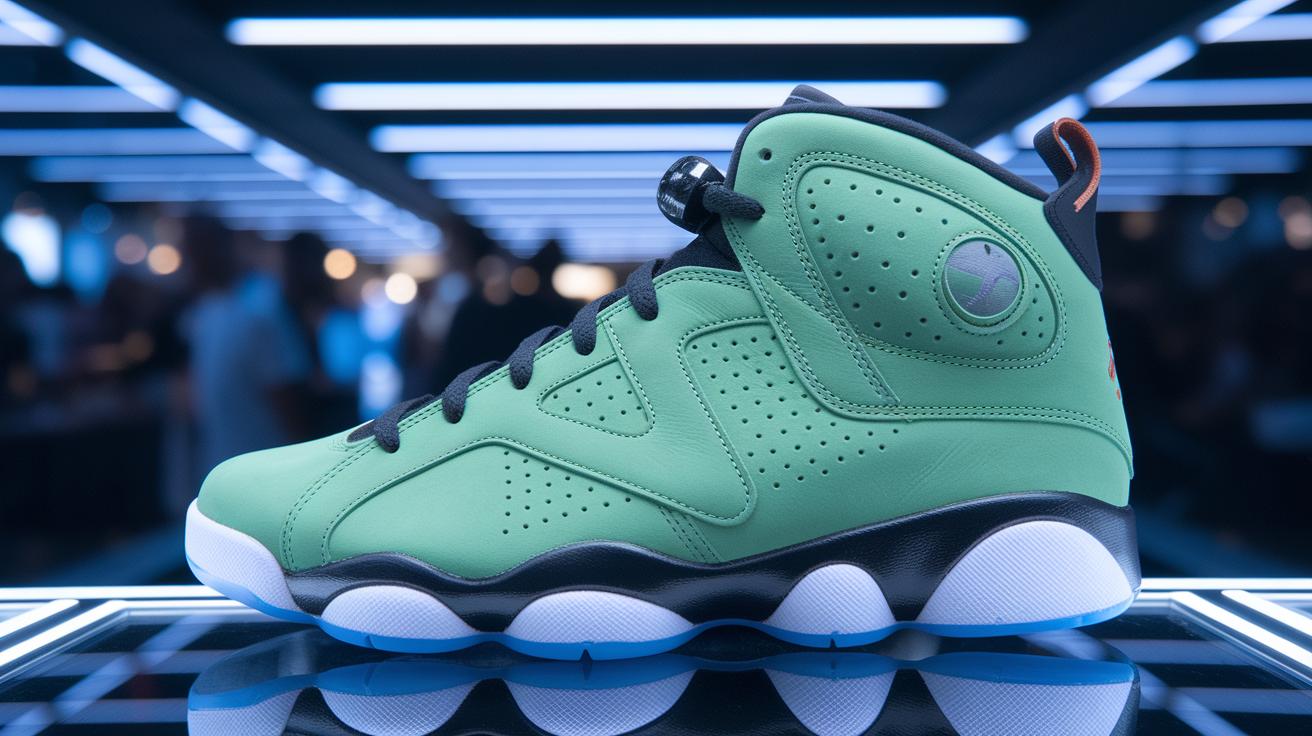
There’s a special thrill when a sneaker drops as a limited edition. It’s like finding that rare, perfect pair that everyone talks about. But here’s the deal, long-lasting value isn’t all about rarity. It really shows up when the sneaker community is buzzing and the numbers back it up.
Take the 30th anniversary Air Jordan 11 reissue, for example. This pair caught everyone’s eye thanks to its scarcity. And sure, rarity played a part. However, its surge from $200 to $350 during peak buzz came from fresh chatter among collectors and real-time market shifts, not just because it was hard to find.
So, if you’re eyeing a new sneaker, why not check out current resale trends and listen to what collectors are saying? Doing that means you’re investing based on solid demand, not just the cool factor of scarcity.
Trendy Sneaker Myths Debunked: Crisp Clarity
Every so often, you hear ads saying that more foam equals extra comfort or that the lightest shoe will boost your speed. But honestly, those promises often fall short. It all comes down to a clever mix of cushioning, weight, and fit, not just slapping on extra foam or picking the lightest pair on the shelf. Real tests show that a balanced design beats any flashy claim.
Cushioning vs Comfort
Think about cushioning, the soft, comfy layer inside your shoe. Sure, a thick, plush midsole might look good at first, but too much foam can actually throw off your support. It’s like overstuffing a pillow; it can lose its shape, leaving you with less support when you need it most.
Weight and Speed
Some folks believe that lighter sneakers automatically make you faster. But testing has shown that weight is just one piece of the puzzle. How a shoe fits and works with your natural foot movement is often more important. A feather-light shoe won’t do much if it doesn’t move with you just right.
Fit Technology Fallacies
Ever notice sneakers claiming they adjust themselves perfectly? In truth, even those high-tech features often need a bit of your own tweaking to hit that sweet spot. Don’t always trust the packaging, sometimes a little manual fine-tuning is what makes the shoe feel just right.
| Feature | Myth | Reality |
|---|---|---|
| Cushioning | Extra foam equals extra comfort. | Too much foam can hurt stability. |
| Weight | Lighter shoes boost speed. | Performance relies on natural movement and fit. |
| Fit Technology | The shoe adjusts itself perfectly. | It often needs a bit of manual tweaking. |
Final Words
In the action, we kicked off by slicing through common beliefs about sneaker pricing, care, replacement, authenticity, and performance. You learned real facts behind everything from cleaning hacks to why pricey doesn't always mean better.
With trendy sneaker myths debunked, every myth now gives way to clear, user-friendly insights that make choosing your next pair straightforward. Enjoy stepping out with solid knowledge and true style as you build your collection with confidence.
FAQ
What sneaker trend will be completely outdated by 2025?
The sneaker trend expected to fade by 2025 is the over-hyped, style-only design with little practical appeal. Many experts think consumers will favor models that boost comfort and performance.
Is Sneaker Con a real thing?
The sneaker event Sneaker Con is a real gathering where collectors buy, sell, and swap kicks, creating a fun and authentic space for sharing sneaker insights.
What is the #1 selling shoe in the world?
The #1 selling shoe is often linked to iconic models like Nike’s Air Jordan series, thanks to its timeless style, quality build, and strong cultural appeal.
Why does everyone wear sneakers now?
The reason everyone wears sneakers is their blend of lasting comfort, versatile style, and ease of wear, making them ideal for everyday use and active lifestyles.