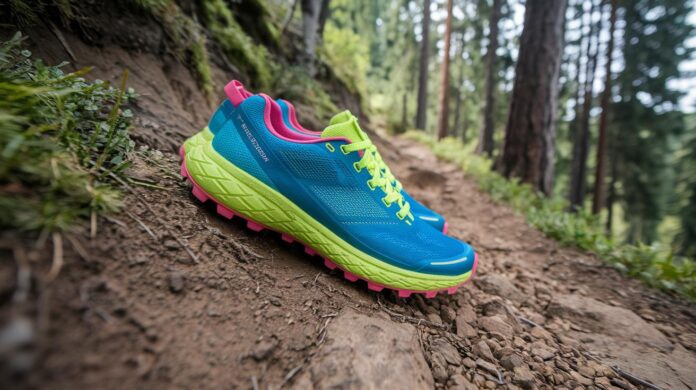

Have you ever thought about whether your shoes can really handle a rugged off-road trail? It might sound surprising, but a good pair of trail running shoes can totally change the way you run. We tried out over 40 pairs, and little tweaks like better cushioning (that soft inside that makes each step comfy) or improved grip (the sole that holds on tight) make a huge difference on rocky paths.
Today, we're chatting about top picks like the Saucony Peregrine and Brooks Divide. These shoes boost comfort and safety so you can feel confident on every rough trail. Ready to see how the right shoes can add some off-road excitement to your run? Let's dive in!
Comparing the Top Trail Running Shoes of 2025
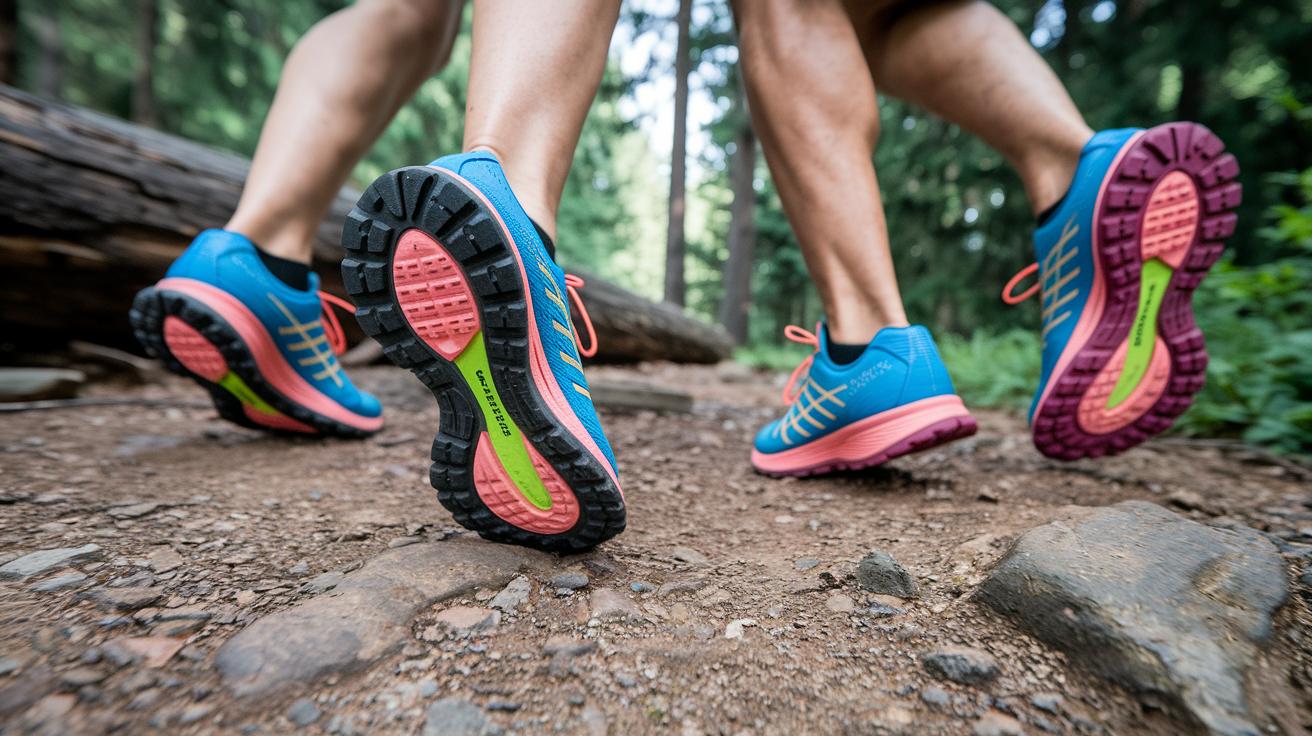
Over 40 leading models were really put through their paces over thousands of trail miles. Mixed teams of runners, men and women alike, laced up each pair for at least 60 miles. They checked every shoe for traction, durability, cushioning (that soft inside which makes your steps comfy), drop (the difference in height from heel to toe, from 0 to over 10 mm), and overall fit. Take the Saucony Peregrine 14, for example. It clinched the 2024 favorite spot with its super responsive midsole and a lug pattern that grips various surfaces, almost like having a dependable buddy on uneven paths.
And then there’s the updated Brooks Divide line. It now packs an extra 4 mm of midsole foam that really ups the shock absorption game. Sure, the price bumped a bit, from $100 to $110, but that little extra cushion makes a big difference.
Price details put each model into perspective. The North Face Vectiv Enduris 4 is at $112 and comes with a rocker plate plus dual-density foam (two types of foam for extra comfort) to help you move forward. Brooks Divide 5 looks good at $93 if you’re watching your wallet but still want solid performance. The Saucony Peregrine 15 for Women is priced at $145, making it a top pick for grip on many surfaces, whereas the Salomon Speedcross 6, at $119, promises an aggressive grip for tricky terrains. La Sportiva Bushido III – Women is tagged at $120, and the ever-popular Altra Lone Peak 9, known for its secure wide fit and all-day comfort, comes in at $109. Next up, Nnormal Kjerag is available for $140, and the premium La Sportiva Prodigio Pro – Women is set at $169.
| Model | Price | Key Feature |
|---|---|---|
| Saucony Peregrine 14 | 2024 Favorite | Responsive midsole, versatile lugs |
| Brooks Divide 5 | $93 | Improved cushioning with +4 mm foam |
| The North Face Vectiv Enduris 4 | $112 | Rocker plate, dual-density foam |
| La Sportiva Prodigio Pro – Women | $169 | High-grip outsole for extra stability |
Each model brings its own vibe to the trails, letting runners choose the perfect match for their style. Whether you’re a die-hard outdoor enthusiast or just love a comfy run, there’s something here to spark a little off-road excitement every time you hit the path.
Trail Running Shoe Categories for All-Terrain Runs

When you hit the trails, wearing the right shoes for the terrain is a game changer. Light trail shoes are perfect for fire roads and gravel paths. They feel almost like regular shoes but still give you enough grip on uneven ground. Imagine shoes so light that your feet feel free and breezy, like a cool summer wind.
Rugged trail shoes take things up a notch when you mix in some hiking trails. They come with extra protection like reinforced uppers and rock plates (a thin layer that shields your feet on rocky spots). It might surprise you that some rugged shoes even have an almost invisible rock plate that guards your feet on tough trails. This design helps keep you stable on packed dirt and twisty singletrack paths.
Off-trail shoes are made for mountain running. They offer top-notch protection with bold lug patterns and strong rock-plate features. These shoes are built to handle rough scree slopes, wet roots, and steep hills, giving you steady traction when the going gets tough.
In the end, the best shoe for you depends on your route. Whether you run on smooth fire roads or challenging mountain tracks, there is a pair just right for you to spark off-road fun while keeping your run safe and comfy. Happy trails!
Essential Technical Features in Trail Running Shoes
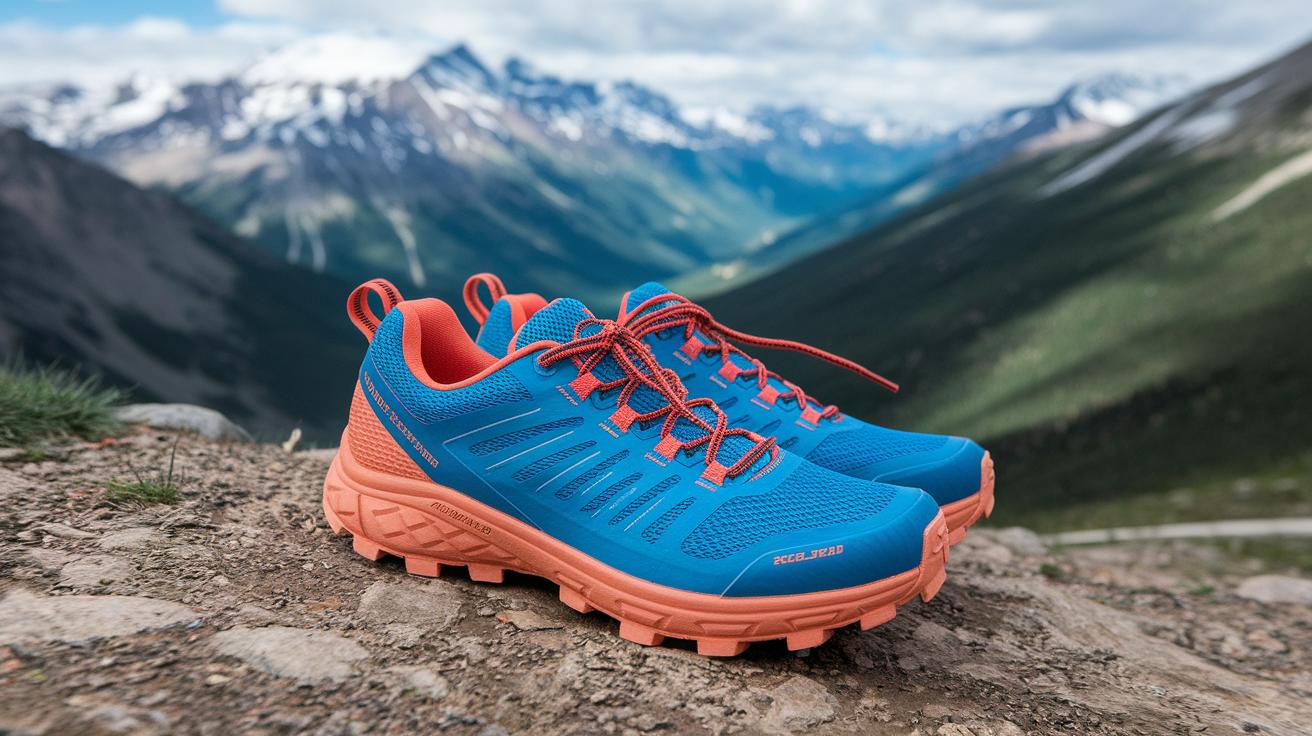
Every part of your trail running shoes makes a difference when you hit different paths. The upper is usually made with tough mesh that stops wear and tear, plus TPU overlays that protect your foot while letting air flow in to keep them cool. It's like having a light shield that still gives you a breezy, open feel.
When you check out the midsole, cushioning is a big deal. Some shoes have low cushioning that keeps you close to the ground for a firm feel, while others offer medium or max cushioning that softens each step, as if you’re landing on a comfy mat. A few even mix in EVA (a soft foam that absorbs shock) and add rock plates to block sharp rocks along your route.
The outsole is designed for different surfaces. Shoes with shallow, tightly spaced lugs work great on hard-pack trails by giving steady contact without extra bulk. On the other hand, deeper and more spread-out lugs with sticky rubber (think Vibram Megagrip, which boosts grip) are perfect for loose or wet trails where traction matters most.
Finally, the heel-to-toe drop affects how your foot lands. If you’re switching to lower or zero-drop shoes, it’s best to build up your mileage slowly. This lets your legs adjust gradually, making sure you keep your balance on rough, off-road routes.
Choosing the Right Trail Running Shoes for Fit and Terrain
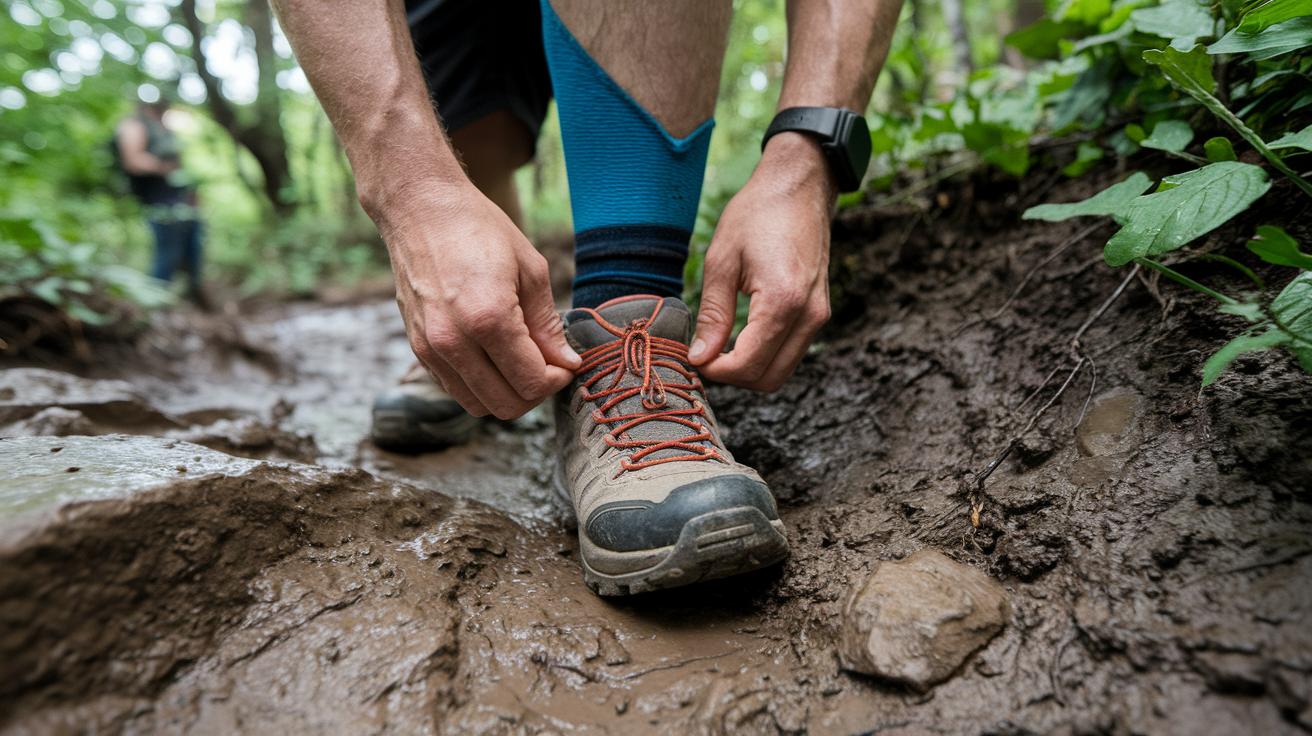
Finding your ideal trail shoe is all about the right fit. Think of it like choosing a sneaker that feels like it was made just for you, no awkward break-in period needed. Start by checking the size charts for both length and width, so your feet can slide in comfortably from the very first mile.
Next, consider where you'll be running. If you’re exploring wet or muddy trails, go for shoes with waterproof uppers that push water away. On the other hand, if dry and dusty paths are more your style, you'll love quick-dry materials to keep your feet cool. And hey, if you’re tackling twisty, rocky trails, look for options that let you use gaiters (those are extra covers that stop small rocks and twigs from getting in).
Also, pay attention to the lug pattern on the sole. Deep, bold lugs are great for bumpy, rocky tracks, while moderate ones work well on both grass and pavement. It’s a smart move to think about your everyday needs too, like comparing workout shoes vs running shoes to understand differences in cushioning (the soft inside that makes your step feel comfy) and traction.
When adjusting to a lower drop, where the cushioning between the heel and toe changes, take it slow. Gradually increase your mileage so your legs get used to the new feel, and you avoid any discomfort.
- Use size charts to pick the perfect fit
- Think about your climate and trail type before buying
- Transition slowly to lower drop shoes
Remember, the right shoes can turn every step into a fun off-road adventure.
trail running shoes Spark Off-Road Excitement
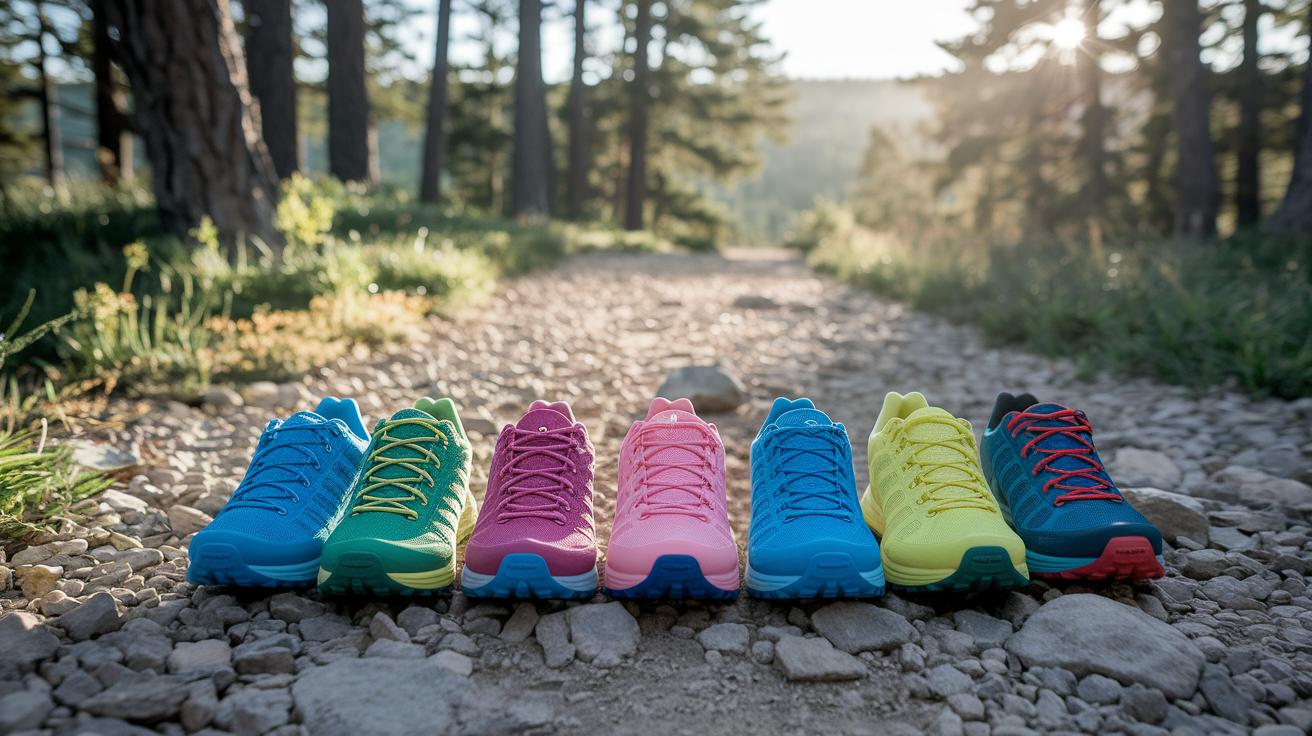
Salomon S/Lab Ultra 3 is built for those daring ultra-distance runners. With a carbon fiber mid-sole (a stiff support plate that boosts your step) and an aggressive lug design, it handles rough trails with ease. If high performance on wild terrain is your thing, this pair might just be your new best friend.
The North Face Vectiv Enduris 4 brings a cool rocker plate and dual-density foam (that’s a combo of softer and firmer cushioning for a natural, bouncy feel) into play. Priced at just $112, it strikes a neat balance between durability and comfort, making it a fun, reliable choice for various trails.
Saucony Peregrine 15 steps up with a lighter design while keeping a solid grip thanks to its PWRTRAC outsole (extra sticky tread to keep you moving). Particularly in the women’s version priced at $145, this shoe is a great pick for those needing speed and agility on mixed surfaces.
La Sportiva Prodigio Pro is already turning heads with its early rave reviews focused on high traction. At $169, it’s set up as a premium option for those who want extra grip and stability when the trail turns tricky.
Lastly, Altra Lone Peak 9+ wraps things up with a zero-drop style and wide toe box, letting your feet move naturally. Featuring Vibram Megagrip (a tough rubber for awesome traction) for snowy and wet rocky spots, this shoe is ideal if you value both natural foot motion and maximum performance on extreme off-road challenges.
Trail Running Shoes Pricing and Value Analysis
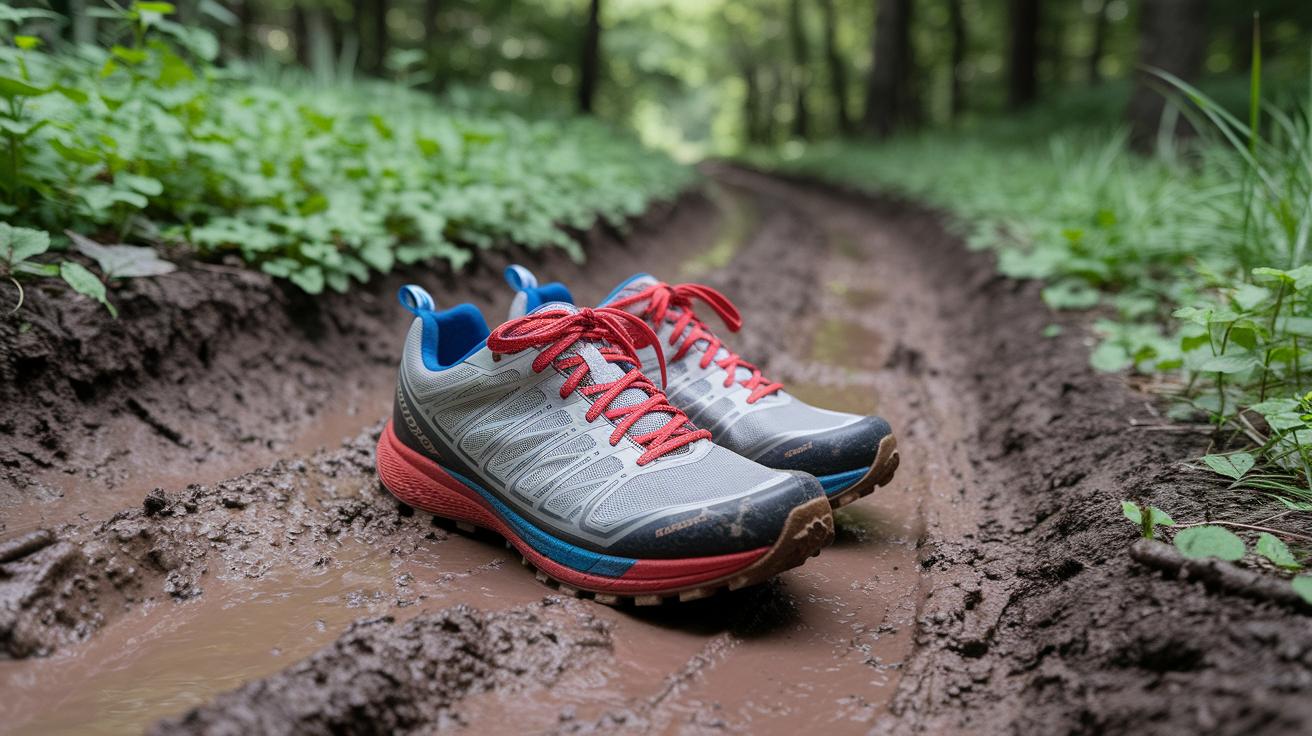
When it comes to picking out trail running shoes, it really pays to look at how much you spend over the life of your shoes rather than just staring at the sticker price. Think about it: most trail shoes last around 400 to 500 miles, so breaking down the cost by each mile gives you a much clearer picture of what you're really paying for.
Ever notice how a higher upfront price can sometimes end up saving you money in the long run? This cost-per-mile method shows that buying a pair that lasts longer can mean lower costs overall, even when you factor in a few repairs or a sole replacement down the road. It’s like when you invest in a really sturdy pair because you know they’ll carry you farther, mile after mile.
| Category | Estimated Cost per Mile |
|---|---|
| Budget | Approximately $0.20 – $0.25 |
| Midrange | Approximately $0.25 – $0.30 |
| Premium | Approximately $0.30 – $0.35 |
Looking at it this way gives you a fresh perspective that goes well beyond standard price tags and features. With a clear cost-per-mile view, you'll see that even if a pair costs more initially, its durability and lower need for repairs might actually bring a lower overall cost. Plus, keeping an eye on maintenance expenses, like worn-out soles, can help you plan for some extra costs later on.
- Cost-per-mile gives insight into long-term performance.
- Maintenance expenses might affect overall value.
- Durability differences can really set models apart.
In the end, this detailed value analysis is all about helping you think of your shoes as a smart long-term investment, not just a quick buy before your next run. Enjoy finding that perfect pair!
Final Words
In the action, we compared top models, discussed unique features like cushioning (the soft inside that makes each step comfortable), and broke down fit and pricing to help make your choice easier. We explored different designs for varied terrains, from light shoes for fire roads to sturdy picks for rocky trails. Each insight aims to boost your confidence and guide you toward the right pair that feels just right. Enjoy the thrill of finding your perfect pair of trail running shoes.
FAQ
What is the point of trail running shoes?
The point of trail running shoes is to offer durability, traction, and protection on rugged off-road paths. They provide specialized features like aggressive treads and reinforced uppers for varied terrain.
What shoes are best for trail running?
The best trail running shoes excel in grip, cushioning, and durability. They usually include models from brands like Salomon and Altra, offering design elements that support performance on mixed, rough surfaces.
Can trail runners be used as running shoes?
Trail runners can also serve as running shoes on rough surfaces. Their robust design focuses on grip and stability, making them ideal for uneven outdoor paths instead of smooth pavements.
What is the difference between trail runners and regular running shoes?
Trail runners feature rugged outsoles, protective uppers, and aggressive treads, while regular running shoes emphasize lightweight cushioning and comfort. These differences cater to the challenges of uneven, natural terrains.
What options are available for trail running shoes for women and men?
Both women’s and men’s trail running shoes offer varied styles designed for fit, traction, and comfort. Top brands like Nike, adidas, Salomon, Altra, and REI provide options that tackle diverse outdoor conditions.
Are waterproof trail running shoes available?
Waterproof trail running shoes are available with advanced construction that repels moisture while keeping feet cool. They use durable, breathable materials built to handle wet and muddy trail conditions.
What about popular trail running models from Nike, adidas, REI, and Salomon?
Popular models from these brands use high-performance cushioning, long-lasting materials, and aggressive treads. They are engineered to maintain traction and protection across different weather and terrain challenges.
How do Altra models like Timp 5 BOA, Olympus 6, and Lone Peak 9+ differ?
Altra models differ with features such as zero-drop platforms, wide toe boxes, and Vibram Megagrip outsoles. The Timp, Olympus, and Lone Peak styles each provide unique traction and support designed for challenging trail runs.