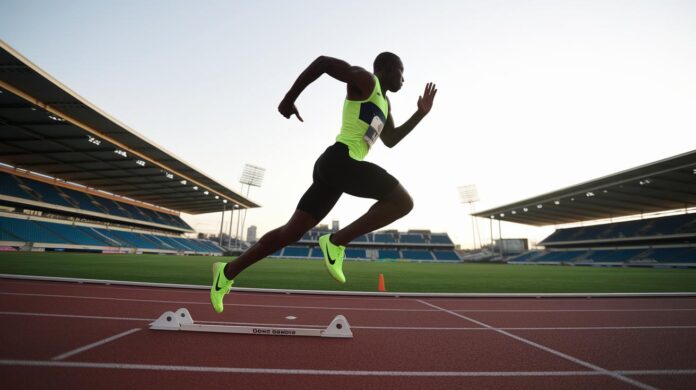

Have you ever felt like your track shoes are holding you back? The right pair can totally change your run. Imagine shoes that hug your feet snugly, feel feather-light, and let you make quick, smooth turns. These shoes don’t just help you run faster, they also boost your comfort and keep you steady. In this post, I’ll share the must-have features that can power up your race and make each step feel just right. Stick around to see how the perfect pair can turn your track time into pure energy.
Essential Features of Running Shoes for Track
When you’re gearing up for a track race, it all comes down to a few must-haves: a strong grip, a light feel, solid support, and comfy cushioning. You want shoes that stay locked on synthetic tracks, giving you the traction you need so every step feels secure.
Lightweight design is key, not just to keep your feet from feeling weighed down but also to help you accelerate quickly. The right mix of support and cushioning means your shoes can handle fast turns and explosive sprints without letting your foot move around too much. Ever notice how a well-fitting pair can completely change your run?
Here’s a quick rundown of the five features that really count:
| Feature | Description |
|---|---|
| Pin Traction | Small stainless-steel or composite pins that give excellent grip, perfect for a speedy start. |
| Spike Plate Stiffness | A firm spike plate lets you transfer energy efficiently, ideal for those powerful, quick sprints. |
| Foam Response | Responsive foam offers a bouncy feel, absorbing shock in short bursts while keeping you light on your feet. |
| Midsole Geometry | A balanced midsole design guides your foot for smooth, natural movements. |
| Breathable Uppers | Light and airy uppers keep your feet cool and comfortable, especially in longer races. |
Put simply, these features together create a track shoe that feels like it was made just for you, helping you stay steady and energized whether you’re sprinting, running middle distances, or tackling a long race. Isn’t it amazing how the perfect pair can make all the difference?
running shoes for track: Energize Your Speed
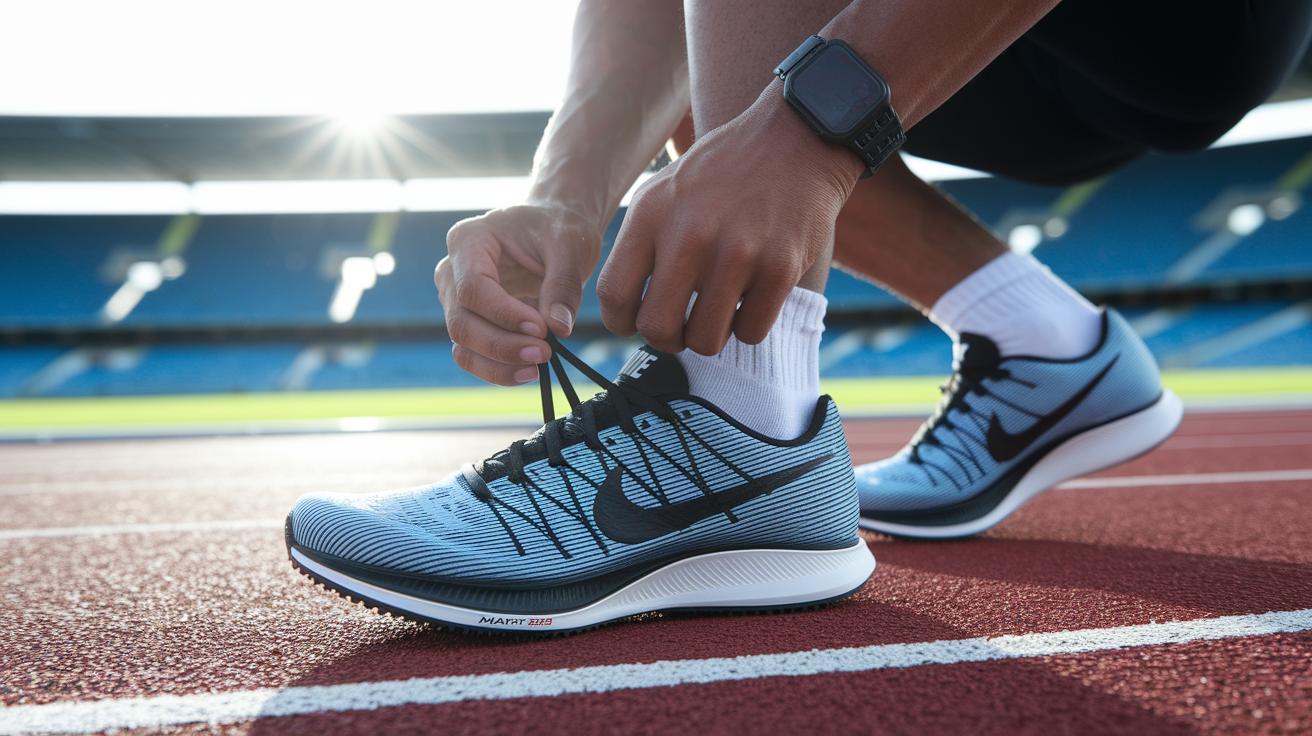
When you’re picking out track spikes, you want shoes that not only perform but also keep up over time. We checked out models that mix cool speed features and a design built to last. We focused on how these shoes handle sudden sprints, sharp turns, and even give steady support for longer races. Each pair is all about being feather-light while still giving you solid grip on the track.
| Model | Event Distance | Weight (oz) | Price | Key Feature |
|---|---|---|---|---|
| Nike MaxFly 2 | All-round racing (sprint focus) | 8.2 | $190 | Advanced FlyPlate for record-breaking speed |
| Nike Zoom Superfly Elite 2 | 100m–400m | 7.5 | $– | Direct ground contact with an aggressive, plate-free design |
| Nike Dragonfly 2 | 1500m+ | 8.0 | $– | Enhanced airiness, comfort, and support over longer distances |
| Nike Victory 2 | Superspike racing | 7.9 | $– | Dual Air Zoom units combined with FlyPlate cushioning |
| Nike Ja Fly 4 | 60m–200m | 7.3 | $– | Lightweight flexibility with a smooth, responsive feel |
| Nike Rival Sprint | Entry-level track events | 9.5 | $75 | Durable spike built for beginners |
| Adidas Sprintstar | 60m–400m | 9.0 | $70 | Budget-friendly with reliable traction |
For those quick bursts and tight curves, the Zoom Superfly Elite 2 and Ja Fly 4 give you a super nimble feel. Tackling a longer race? The Dragonfly 2 shines with its breathable design and extra support. And if you’re chasing that ultimate record-breaking speed, check out the Nike MaxFly 2 and Victory 2. Meanwhile, the Rival Sprint and Adidas Sprintstar are great choices when you want solid performance without breaking the bank.
How to Choose the Right Running Shoes for Your Track Event
Getting the right size is super important. When your shoes fit well, they hug your feet securely for explosive starts and quick turns, so you can feel confident and steady on the track without any annoying slippage.
Start by measuring your foot carefully and then check your measurement against the brand’s size chart. Keep in mind that track shoes often run a bit bigger, usually half a size to a full size more than your regular sneakers, to give your toes some extra space, about the width of a thumb. It’s a good idea to try them on in settings similar to your track to really feel the comfort. Also, inspect details like the midsole foam (that soft inside layer that gives cushioning), its thickness, how much the heel is raised compared to the toe, and any special plate design that helps with smooth push-offs and landings.
A snug, secure fit is key to keeping your foot in place during starts and turns. And if you're used to the fit of general running shoes, comparing that feel with track-specific sizing can be a big help. For more info, check out workout shoes vs running shoes.
Finally, keep an eye on your mileage. Usually after 300 to 500 miles, your shoes start showing wear. When you notice changes in the way they feel, it might be time for a new pair to keep your performance at its peak.
Technology and Materials Driving Track Shoe Innovation
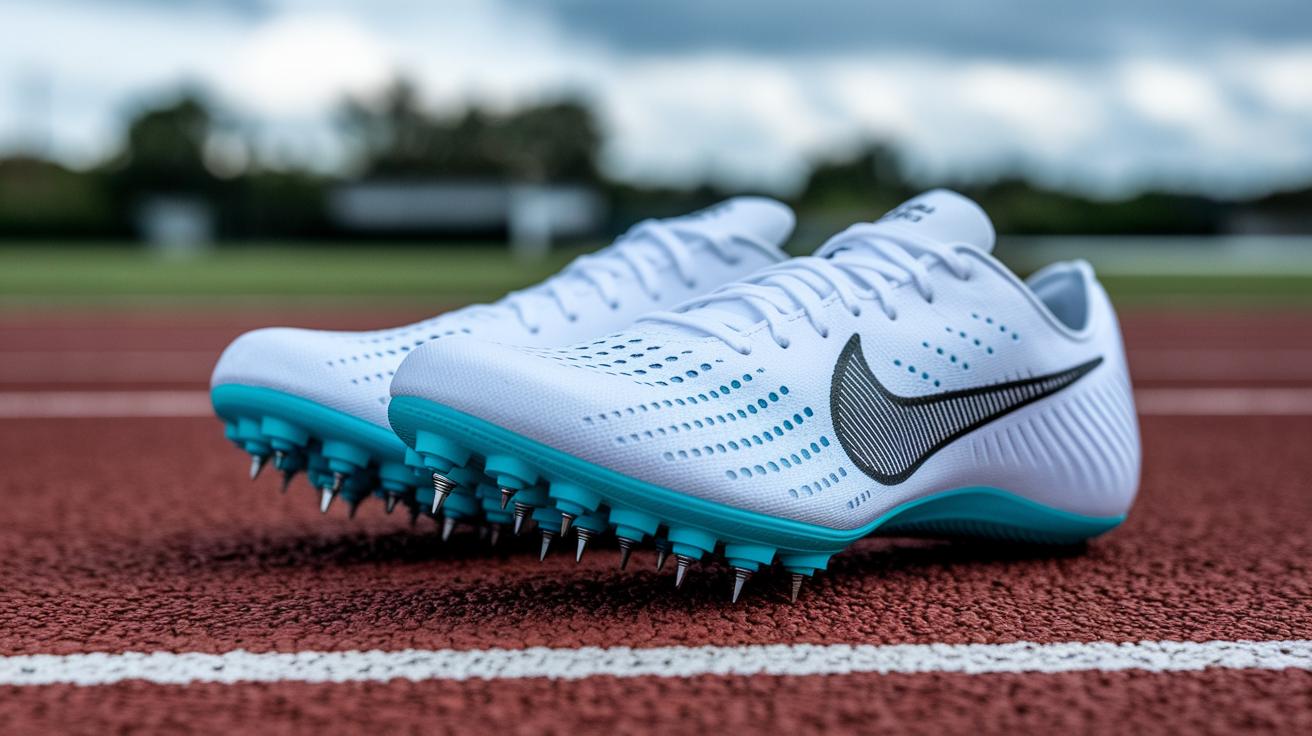
Ever noticed how a good pair of track shoes can feel like they’re almost part of you? Modern plate systems really change the game. For example, the MaxFly 2 uses a FlyPlate midsole (that’s the structure inside the shoe that gives you extra bounce) to push energy right back into your step. Then there’s the Elite 2, which skips the plate for a closer-to-the-ground feel. It’s a mix of smart design and solid engineering that helps you pick up speed and keep momentum when you’re sprinting.
And let’s talk foams. Innovative materials like Lightstrike Pro, incrediRUN, and FF Blast Max each offer their own balance of firmness and bounce, imagine them like a little spring under your feet that soaks up the shock and helps lash you forward. It’s kind of like having your own personal shock absorber in every shoe.
Spike pins also get a major upgrade. Made from materials like stainless steel or high-tech composites, these pins are designed to be light while giving you the sturdiness you need for those firm push-offs on synthetic tracks. They keep the shoes from feeling bogged down and help give you a reliable grip every time you explode out of the blocks.
The upper part of the shoe hasn’t been left behind either. New fabrics are lightweight and breathable, so your feet stay cool even when you’re running hard. Less weight and better airflow mean your shoes perform smartly and feel fresh throughout long, challenging races.
Price Ranges and Value in Track Running Shoes
When you’re picking out shoes for the track, it’s all about finding that mix of cost and performance. Don’t think spending more always means you’ll run faster, sometimes a budget pair still gives you the grip and support you need.
There are three price groups to consider. For starters, Rival Sprint at $75 and Adidas Sprintstar at $70 deliver real value without skimping on reliability. Next, mid-range spikes cost between $100 and $140 and mix in extra performance perks without a sky-high price. And if you’re after top-tier performance, premium models like the MaxFly 2 at $190 and Alphafly 3 at $285 bring high-tech design and innovative features to the table. On average, runners spend about $117, so there’s a choice out there for every budget and level of competition.
Expert and User Reviews of Track Running Shoes
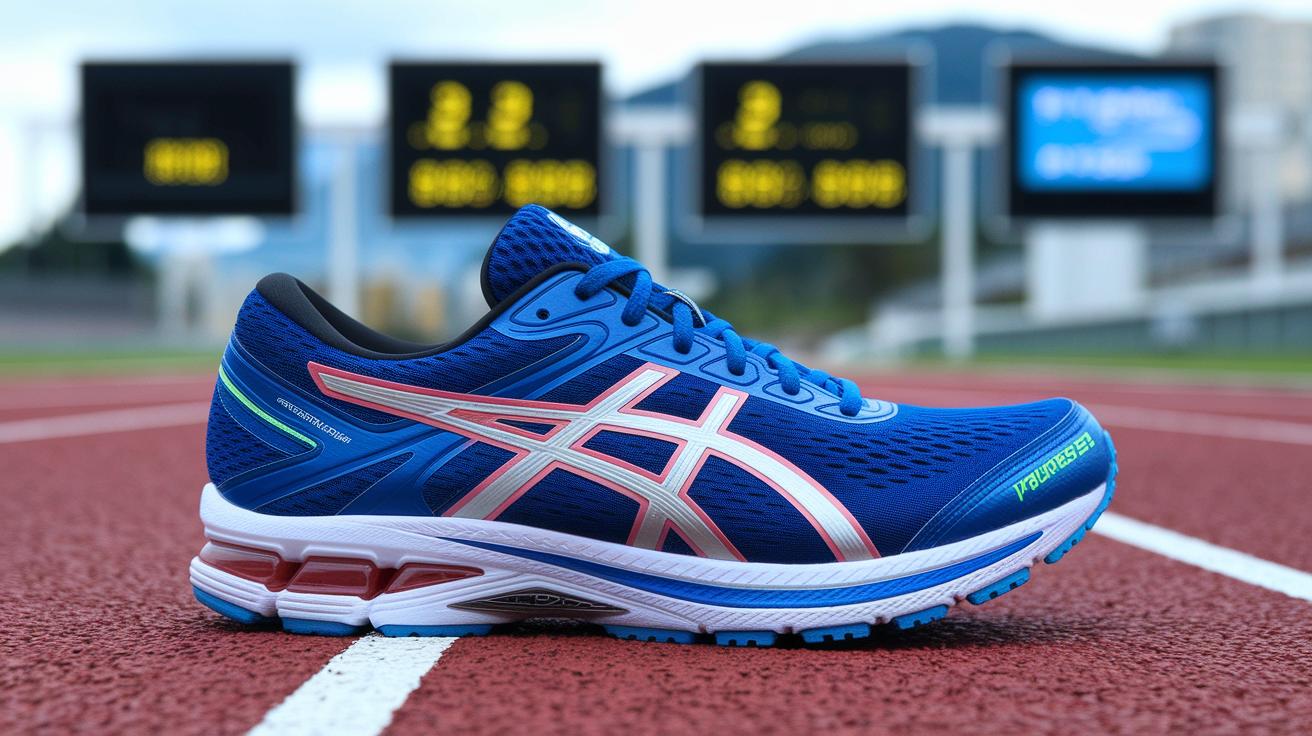
Lab tests played a big part in checking out these shoes. A team of 27 reviewers and over 300 wear-testers, each clocking in more than 100 miles on a single pair, measured everything from cushioning (the soft inside that makes each step comfy) to how quickly you move from heel to toe, along with support and durability. They even zeroed in on how the foam felt during rapid starts and smooth turns, making sure every model could handle the quick pace of track events. It’s like getting real feel-data straight from the track.
On top of that, user feedback was super helpful. Runners kept saying that a secure, comfortable fit really boosted their confidence, especially during those last-minute starts and fast turns. Fit and feel were the key points that kept coming up in conversations, like chatting with a friend about a favorite pair of sneakers.
Now, the science on injury prevention might not be crystal clear yet, but lots of athletes swear by the personal comfort features in these shoes. Even if the data isn’t 100% in on lowering injury risks, many runners know that a snug fit and balanced cushioning make them feel stable and supported. Ever notice how the right fit can change your whole day? For them, it’s that extra comfort that really seals the deal when choosing the perfect pair for race day.
Final Words
In the action, we covered everything from grip and weight to fit and tech details. The article walked through the technical perks like pin traction, foam response, and breathable uppers, while sharing expert and user insights. We also touched on pricing options and the best models for different race distances. By weighing quality and performance in running shoes for track, you can feel confident and stylish on the track. Enjoy the boost in comfort and style with every step you take.
FAQ
Q: What is a good shoe for running track?
A: A good shoe for running track features a lightweight build, secure fit, and responsive cushioning to boost acceleration and stability on synthetic surfaces.
Q: Can you run track with running shoes?
A: Running shoes can work on track surfaces, but they often lack the grip and specialized support that track-specific shoes provide during starts, turns, and acceleration.
Q: What are illegal track shoes?
A: Illegal track shoes include models that have been altered with extra spikes or non-approved features, breaking the rules set for fair competition in track events.
Q: What shoes do track and field runners wear?
A: Track and field athletes typically wear shoes designed with advanced plate systems, lightweight uppers, and optimized cushioning suited to their race distance and event needs.
Q: What are the best track shoes for men, women, and kids?
A: The best track shoes vary by category; each model usually offers a secure lockdown, proper fit and event-specific cushioning to meet the performance needs of men, women, and kids.
Q: What does Nike offer for track training and competition?
A: Nike features track shoes that range from no-spike options to racing models, each built with innovative designs ensuring excellent traction, speed and support for demanding track sessions.
Q: What are some top track shoe models for performance?
A: Top track shoe models include ASICS Men’s Novablast 5, adidas Adizero Evo SL Trainers, ASICS Superblast 2, Nike Alphafly 3, Nike Vomero 18, and ASICS Men’s Metaspeed Sky Paris, each delivering unique performance benefits.