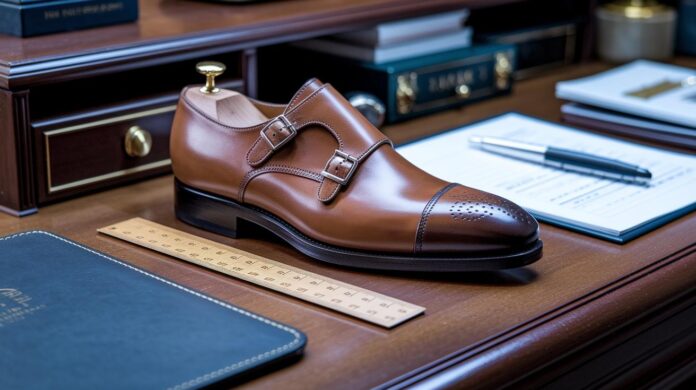

Ever wonder why your monk strap shoes sometimes just don't feel right? It’s not only about the numbers, it’s about feeling comfy and looking good. In this guide, we break things down into simple steps so you can measure your foot the right way and pick a pair that fits perfectly. With clear tips and easy charts, you’ll soon be rocking shoes that feel like they were made just for you. Isn't that a game changer?
How to Determine Your Monk Strap Shoe Size with Confidence
Let’s chat about why getting your monk strap shoe size just right is so important. These shoes mix the best parts of classic Oxford and comfy loafer styles. They have a tongue and vamp like a lace-up but slide on with the ease of a loafer. A small mistake in measuring could make the shoe grip your midfoot too tightly, thanks to the built-in strap tension (that firm hold of the strap), or create gaps that mess with the overall look. Nailing your measurements means you’ll enjoy lasting comfort and avoid any pressure or discomfort down the road.
The strap design really changes how these shoes fit. Whether you choose a pair with one strap or two, the number and tension of the straps helps the shoe wrap around your foot just right. A strap that’s too tight might feel secure at first but could end up feeling too constricted. Next, you'll dive into a simple, step-by-step guide on taking your foot measurements. You’ll see handy conversion charts for US, UK, and EU sizes, learn about brand differences, and pick up tips for adjusting width if your feet are narrow or wide. Plus, you'll get the lowdown on fitting in-store versus online, as well as answers to common questions, so you can shop with real confidence.
Step-by-Step Measuring Process for Monk Strap Shoes
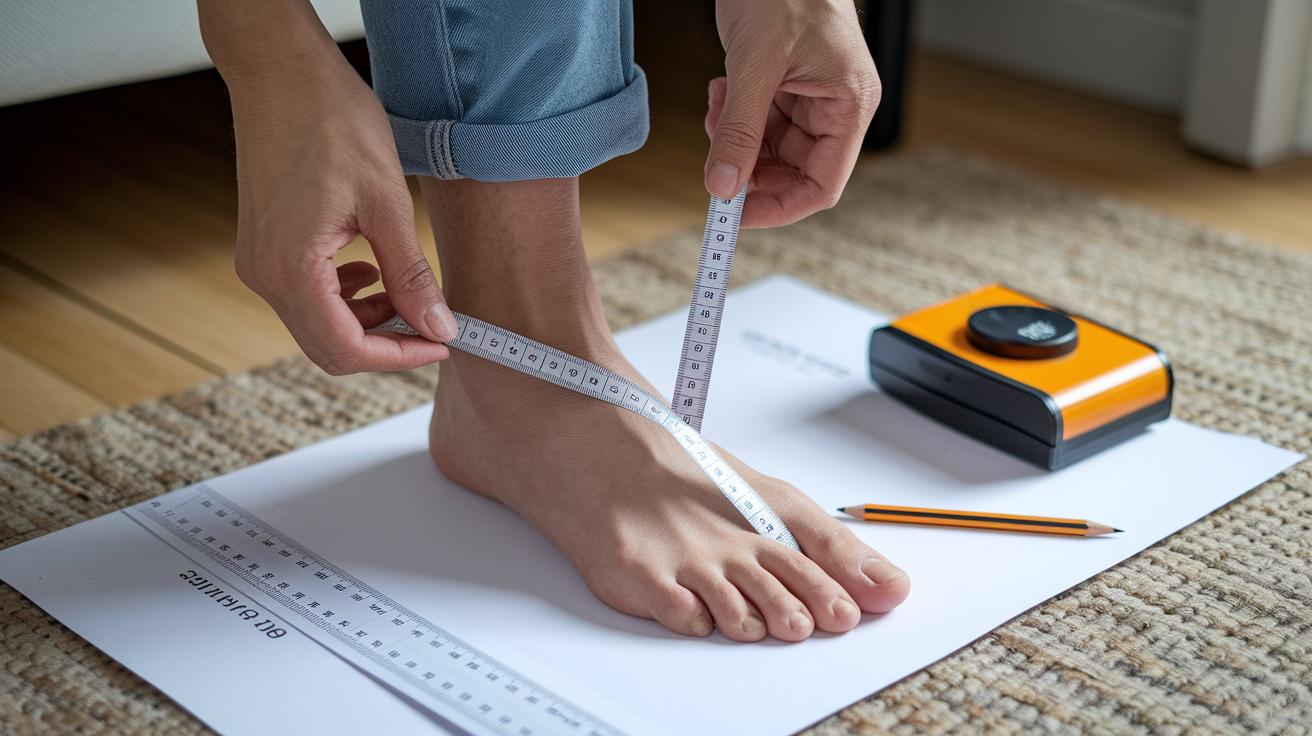
First, grab your tools and get ready to measure your foot in a relaxed state. It’s best to do this at the end of the day when your feet are a bit bigger. Find a clean, flat surface and have your measuring tools handy so you can get an accurate size for the perfect fit.
- Get your ruler or a Brannock device. These tools help you see exactly how long your foot is, kind of like using a ruler to measure a picture.
- Put a firm sheet of paper on a hard, flat surface. This gives you a steady base and minimizes errors.
- Stand up with your weight evenly spread out. This makes sure your foot is spread out naturally to get a true measurement.
- Use a pencil to mark where your heel lies and where the tip of your longest toe is.
- Measure the distance between your heel and your longest toe in millimeters. This little detail is super important for the right fit.
- Next, measure the width where your foot is widest, at the ball of your foot. This helps you know how roomy your monk straps need to be.
- Don’t forget to record the numbers for both feet, sometimes one foot is just a touch bigger than the other.
| Tool | Use |
|---|---|
| Ruler/Brannock Device | Measuring foot length accurately |
| Soft Measuring Tape | Measuring the width at the ball of the foot |
| Foot Tracing Paper | Tracing the foot shape for reference |
It’s a good idea to measure again at the end of the day when your feet are a little more swollen. Doing this means you’ll choose monk straps that feel just right when you wear them.
Monk Strap Shoe Size Conversion Chart: US, UK & EU Standards
Getting your monk strap size just right makes all the difference in comfort and style. When you convert your foot measurements to the right regional size, you know you’re in for a great fit. It’s like finding that perfect pair that hugs your foot, whether you’re shopping in the US, the UK, or the EU.
| Foot Length (mm) | US Men’s | UK Men’s | EU Men’s |
|---|---|---|---|
| 250 | 6 | 5.5 | 39 |
| 260 | 7 | 6.5 | 40 |
| 270 | 8 | 7.5 | 41 |
| 280 | 9 | 8.5 | 42 |
| 290 | 10 | 9.5 | 43 |
| 300 | 11 | 10.5 | 44 |
When you’re stuck between sizes, go with the half size that fits your foot best. You might also tweak the strap tension for extra comfort, because monk straps are all about a snug, flexible feel. A little adjustment can turn a nearly perfect fit into your all-time favorite pair. So, don’t hesitate, try both half and full sizes until you get that flawless feel. For even more tips, check out the dress shoe sizing guide.
Monk Strap Shoe Sizing Guide: Perfect Fit Advice

Ever wonder why your monk strap shoes feel a bit different from one brand to another? It all comes down to how the lasts and soles are built. The last is just the mold that shapes the shoe, and how a shoe is constructed can make it feel roomier or snuggler on your foot. For example, if a shoe has a thick, cushioned sole (that soft inside that makes each step comfy), you might need a half-size extra to let your foot settle in naturally. On the other hand, a low-profile design will hug your foot closely. Basically, the way a shoe is made from the inside out totally affects how it fits and feels.
Now, let’s chat about four brands you should keep in mind. John Lobb’s kicks are crafted with a Goodyear-welted construction, a technique that adds extra space underneath, so you may want to go up by half a size for a balanced feel. Oliver Sweeney’s shoes use Italian lasts that tend to run a bit narrow, so consider sizing up a little here. Suitsupply, with its Blake-stitched design, offers a sleek, fitted look without any added bulk. And when it comes to Topman and ASOS models, they usually fit true to size, though it’s good to double-check because some collections might differ. Always take a peek at each brand’s sizing tips before you commit, these little details are the secret to that perfect, comfy fit.
Adjusting Monk Strap Shoe Width for Narrow and Wide Feet
Start by measuring your foot at the ball area, right where your toes curve out. Grab a soft tape measure and run it across this widest part so you know exactly how much room your shoe needs. This simple step tells you how much space is needed for comfy arch support and overall comfort.
If you have narrow feet, there are a few smart tweaks you can try. Custom insoles can add a little extra cushioning (think of it as a soft fill-in) while adjustable straps let the shoe hug your foot just right. You might also check out shoes designed with a tighter fit that still give you solid support without feeling squished.
Got wide feet? Then look for monk strap shoes with a naturally broader design. Shoes made on a wider last (that’s the mold that shapes the shoe) and featuring a stretchy lining will give you the extra space you need. They let your foot breathe while keeping a sleek style.
- Pick models with adjustable or multiple straps
- Choose shoes built on a wider last
- Look for shoes featuring a stretchy lining
- Consider professional fitting advice for custom insole adjustments
How to Determine Your Monk Strap Shoe Size with Confidence
Getting the perfect monk strap starts with a careful measurement. Even a tiny difference can change how comfy your shoes feel. These shoes mix the smooth look of slip-ons with a bit of the snug support you get from lace-ups. Each brand tweaks the last (that’s the mold inside the shoe) a little differently, and that affects the fit.
The straps make a difference too. Depending on whether your monk strap has one or two straps, the pressure on your midfoot can feel tighter or looser. This guide walks you through measuring your foot accurately, checking out size charts for US, UK, and EU models, understanding how different brands fit, and even offers tips for both in-store and online shopping. Enjoy the process of finding that perfect fit!
Step-by-Step Measuring Process for Monk Strap Shoes
First, get your foot ready along with your tools: a ruler or Brannock device (a tool that gives precise foot measurements), a soft measuring tape, and a sturdy sheet of paper. This setup helps catch your foot’s full length (in millimeters) and width accurately.
Start by using your ruler or Brannock device to measure your foot. Lay a firm piece of paper on a flat, hard surface so it doesn’t move around.
Stand up straight with your weight spread evenly so your foot is fully extended. Then, mark the back of your heel and the tip of your longest toe with a pencil. Think of it as drawing a clear outline of your foot.
Measure the distance between these two marks in millimeters to get the length. Next, grab your soft measuring tape and check the width at the widest part of your foot, usually around the ball (that plush part that cushions your step).
It’s a good idea to repeat this for both feet since one might be a bit larger than the other.
| Tool | Use |
|---|---|
| Ruler/Brannock Device | For measuring foot length precisely |
| Soft Measuring Tape | For checking the width at the foot’s widest point |
| Paper and Pencil | For tracing and marking your foot’s outline |
For the best fit, try measuring later in the day when your feet might be a bit wider.
Monk Strap Shoe Size Conversion Chart: US, UK & EU Standards
We've combined this guide with our older sizing chart. So if you're looking for details on how US, UK, and EU sizes line up, or need pointers on trying half sizes for that extra perfect feel, check out the section we merged earlier.
Monk Strap Shoe Sizing Guide: Perfect Fit Advice
When picking out monk straps, the trick is all about the shoe’s mold (that’s the last, which shapes the shoe) and how the sole is built. For example, a Goodyear-welted sole (yep, that one with extra room underneath) might mean a half size up could be your best friend if your foot feels squeezed. Meanwhile, shoes with Blake stitching tend to hug your foot more closely.
Each brand brings its own little quirks:
| Brand | Fit Details |
|---|---|
| John Lobb | Shows off a pronounced Goodyear-welted sole, making them feel roomier. |
| Oliver Sweeney | Italian lasts here run a bit narrow; if you have wider feet, you might need a boost. |
| Suitsupply | Their Blake-stitched models offer a tight, compact fit. |
| Topman & ASOS | They usually stick to standard sizes, though some styles can be a bit different. |
Before making your final choice, take a quick look at the brand’s size chart to ensure your monk straps fit just right.
Adjusting Monk Strap Shoe Width for Narrow and Wide Feet
Monk strap shoes come with adjustable straps that let you set just the right snugness for your feet. If you have narrow feet, adding cushioned insoles (that's the soft inside that hugs your foot for extra comfort and arch support) really makes a difference, working perfectly with those adjustable straps.
For wider feet, choose shoes built on a wider base and lined with a soft, stretchy fabric that breathes. This design helps the shoe gently adjust to your foot’s natural shape, so you avoid any pinching.
- Look for shoes with adjustable straps for a custom grip.
- Pick models with a broader base that gives your feet natural space.
- Consider cushioned insoles if your feet are narrow for extra comfort.
- Go for shoes with stretchy, breathable linings so they mold perfectly over time.
In-Store vs. Online Fit Evaluation for Monk Strap Shoes
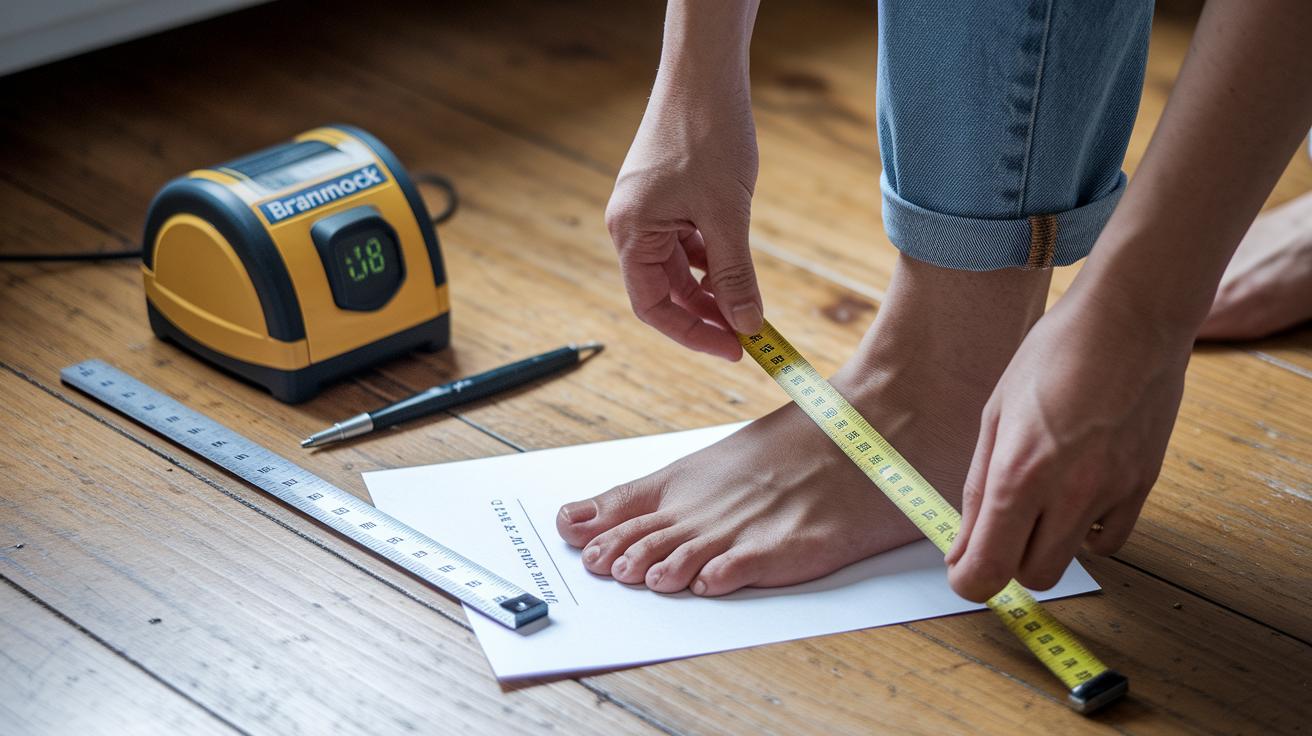
When you try on monk strap shoes in a store, you get to feel the quality and see if they really fit right away. You can play around with the straps and make adjustments on the spot so that the shoe hugs your midfoot perfectly. Walking around a bit lets you notice if the arch support feels comfortable with every step. Plus, there’s always someone friendly nearby to offer advice if anything feels off. It’s a hands-on, personal experience that helps make sure you don’t end up with shoes that just aren’t a match.
On the flip side, modern online tools make measuring your feet easier than ever, even from your living room. Smartphone apps and digital devices now guide you step by step. Sometimes you can print out a foot template or use an app that lines up your foot for a more precise measurement. That means you get detailed size tips without having to leave home.
| In-Store Fit | Online Fit |
|---|---|
| Adjust strap tightness instantly | Step-by-step digital guides |
| Feel cushioning and support right away | Precise measurements using your device’s camera |
| Personal advice on the spot | Convenience of shopping from home |
Common Monk Strap Fit Issues and How to Solve Them
Monk strap shoes are super stylish and comfortable, but sometimes they run into a few common fit hiccups. Maybe your heel slips out, your toes feel a bit squished, or the straps gap in a way that messes with the smooth, clean look you love. Even when your shoes are made with care, these little issues can make them less fun to wear. A few simple tweaks can really bring back that comfy, neat feel.
- Try using heel grips to stop your foot from sliding.
- Use gentle stretching techniques if the shoes feel a bit too tight.
- Reposition the straps to lock in a secure fit.
- Swap out the insoles to add more cushioning and a bit more room.
- Consider lace-up alternatives if you’re after a snug, custom hold.
- And if things are still stubborn, get a professional’s advice on stretching those tight spots.
FAQ: Addressing Monk Strap Shoe Sizing Challenges

-
Should I size up or down for double-strap models?
With double-strap monk straps, the extra fastening can sometimes press on your midfoot. If your shoe feels a bit snug after trying it on, consider going up a size for more wiggle room with the straps. A pro's measurement tip might help here, too. -
How do I account for sock thickness?
When you measure your feet, wear the socks you usually rock. If you’re not, add about a quarter to half a size extra. This way, you won’t end up with shoes that feel too tight once you add that soft sock cushioning. -
What if one foot is larger?
It’s totally normal for one foot to be a bit bigger. Measure both and use the larger foot as your guide. This little trick helps keep you comfortable all day long, like when your favorite sneakers just fit right. -
Can I adjust fit mid-day?
Yep, you can make small tweaks during the day, especially since monk straps let you re-tighten a bit if your feet swell. But if you keep finding a major difference in fit, it might mean you need a different size altogether. -
Is break-in different for monk straps vs. oxfords?
Monk straps are often more forgiving because the adjustable straps let you ease into a comfy feel faster. On the other hand, oxfords tend to hold a more structured shape and might need a bit more time to warm up to your foot.
Combine your careful measurements with any brand-specific guidance, and you’re set to find that pair that feels just right. Enjoy the journey to comfort!
Final Words
In the action of measuring your feet for the perfect fit, we explored everything from precise foot metrics to understanding how monk strap design affects comfort. We broke down conversion charts, brand-specific tips, and simple tricks to accommodate different foot widths. Each step was explained in a clear, laid-back style so you can feel confident shopping. Keep this monk strap shoe sizing guide in mind and step into your next pair with certainty and style. Enjoy the process, and have fun finding your next favorite pair!
FAQ
How do monk strap shoes fit and how can I correctly size them for men?
The monk strap shoe fit and sizing guide shows that this style balances the secure support of lace-ups with the ease of slip-ons. Accurate foot measurements help achieve the right strap tension and overall comfort.
How comfortable are monk strap shoes and when should you wear them?
The question of monk strap shoe comfort and timing reveals that these shoes are designed for a snug fit and ease of movement. They work well for both daily errands and dressier occasions, offering all-day comfort.
Can monk strap shoes be worn formally, and how should you style double monk straps compared to loafers?
The monk strap shoe styling advice shows that these shoes transition seamlessly from formal to casual settings. Double monk straps add a modern twist, making them a standout option over traditional loafers when you want extra flair.
Are monk strap shoes in style and what outfits do they complement?
The current take on monk strap shoes confirms they are on trend. Their unique design pairs effortlessly with tailored suits, smart-casual ensembles, and even relaxed jeans, offering versatility for multiple occasions.
How should Oxford shoes fit and what guides can help me achieve the proper fit?
The Oxford shoe fit guidelines suggest a snug yet comfortable feel around the instep and toes. Trusted resources like the Gentleman’s Gazette offer practical tips to help you secure a fit that feels just right.