

Ever thought about shoes that feel as natural as being barefoot? Minimalist shoes let your feet move freely, kind of like walking on a soft, grassy field. They allow your toes to relax and spread out while keeping your whole body in line. Imagine strolling along a smooth, sunlit beach, with every step strengthening your feet, a perk even top runners love. Could these lightweight kicks be the secret to effortless movement and better posture?
Understanding Minimalist Shoes: Concept and Benefits
Minimalist shoes are made to feel like you're almost barefoot. They copy the natural shape of your feet and let your toes spread out easily, like when you're strolling on a soft, grassy lawn. The design includes an ultra-wide toe box and super-thin soles (only about 3 to 10 mm thick) so you can really feel the ground under your feet.
One cool thing about these shoes is their zero-drop design. That means your heel and toe are at the same level, just like when you're walking barefoot on a sunny beach. This helps keep your feet aligned naturally and lets your muscles and joints work the way they're meant to. Plus, they're super light, often under 200 grams, so you hardly notice you’re wearing them, which can help improve your posture and lessen stress on your legs.
Even more, these shoes help build strength in your foot muscles as you adjust to little changes in the ground, much like taking little, uneven steps along a rocky trail. Many people say their feet feel more alert and ready after switching to minimalist shoes. Fun fact: even elite runners have said that these shoes help them improve their stride and make every step feel natural and smooth. Embrace minimalist shoes for a refreshingly natural way to move and get in tune with your body’s own rhythm.
minimalist shoes Ignite Effortless Movement
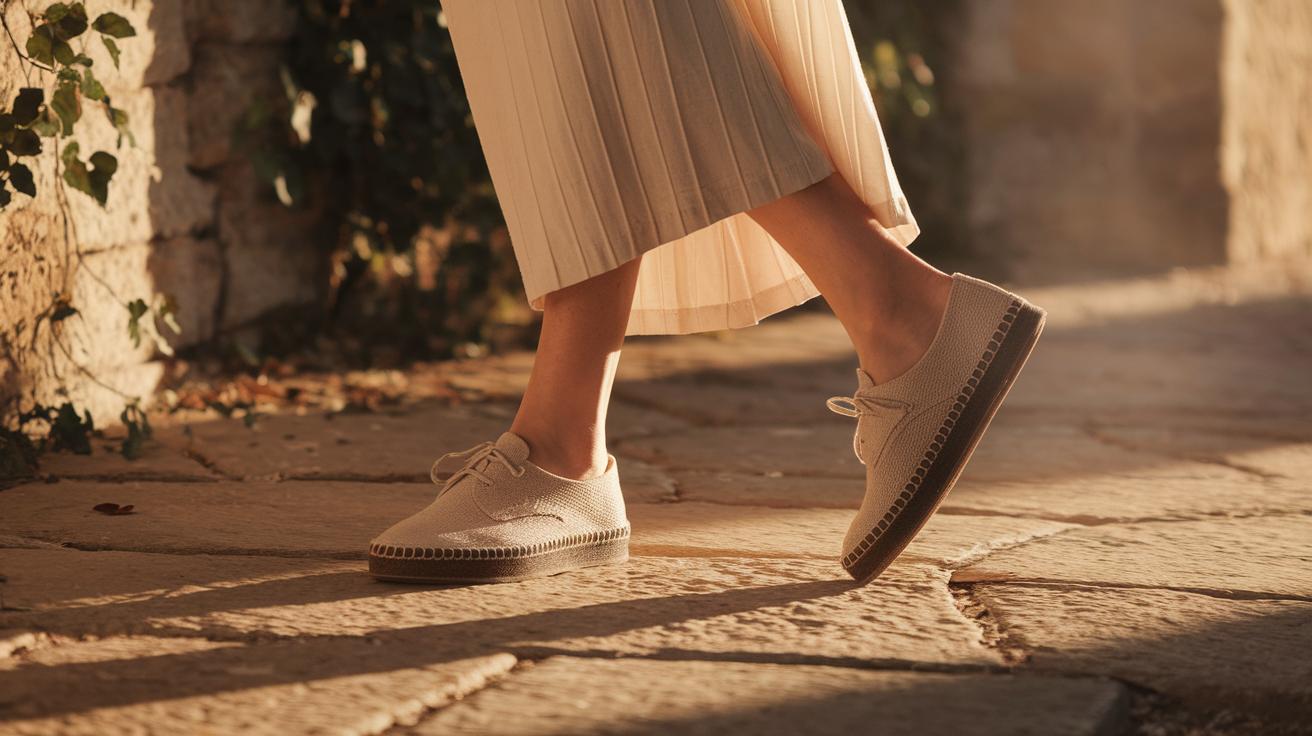
Engineered for a truly natural step, these minimalist shoes mix smart eco-friendly choices with clean design. They’re made with corn leather, hemp, and even grape waste so that they cut down on environmental strain while staying lightweight (under 150 grams) and tough. Think about it, hemp helps save water, and repurposed grape waste turns farming byproducts into a durable fabric.
The sole, which ranges between 3 and 10 mm, bends easily with the ground under your feet, letting you move smoothly on any surface. Plus, the zero drop design (where the heel and toe sit on the same level) guides your posture and muscle balance just right. It’s all about giving you a feel that’s as close to walking barefoot as possible.
The wide toe box gives your toes plenty of room to spread naturally, keeping you comfy and free as you walk. This clever combo of sustainable materials and thoughtful design means every step feels intuitive and easy.
For instance, by blending corn leather and hemp, these shoes don’t just cut waste, they also deliver a fresh, breathable feel that keeps your feet cool and ready to move.
| Material | Environmental Benefit |
|---|---|
| Corn Leather | Reduces reliance on animal-based leather |
| Hemp | Uses less water during growth |
| Grape Waste | Repurposes agricultural byproducts |
Comparing Top Minimalist Shoe Brands and Models
Dolfie Paradise gives you a true barefoot feel with a super-thin 3 mm sole that makes you feel almost like you're not wearing shoes. These leather shoes come in EU sizes 36 to 46 and hug your foot nicely, making them perfect for anyone who loves a light, natural step.
Fleeters brings a cool twist with its vegan corn leather (a plant-friendly substitute for leather). Available in EU sizes 36–47 with a 5 mm sole, they strike a great balance between comfort and protection. Many people love how these shoes feel tough enough for natural running yet keep that barefoot vibe. For a handy sizing guide, check out getting running shoes fitted – https://shubrand.com?p=1425.
Feelgrounds also steps up with vegan construction, offering sizes from EU 35 to 49. With a slightly thicker 6 mm sole, they give a bit more cushion while still letting your foot move naturally. Their design is known to help you run naturally without losing that essential minimalist feel.
Vivobarefoot Primus mixes different materials in a model that ranges from EU 35 to 49 and sports a 4 mm sole. This pair is great for that almost barefoot landing, yet it still gives you the support you need for everyday wear or even a light workout.
Xero Shoes rounds out our list with a more protective style, using synthetic materials and fitting US sizes 5–15. Their 10 mm thick sole is perfect if you’re after extra cushioning during intense workouts, and folks often praise how flexible and supportive they are on rough outdoor trails.
| Model | Size Range | Material | Sole Thickness |
|---|---|---|---|
| Dolfie Paradise | EU 36–46 | Leather | 3 mm |
| Fleeters | EU 36–47 | Vegan Corn Leather | 5 mm |
| Feelgrounds | EU 35–49 | Vegan | 6 mm |
| Vivobarefoot Primus | EU 35–49 | Mixed Materials | 4 mm |
| Xero Shoes | US 5–15 | Synthetic | 10 mm |
Think of picking your minimalist shoes like putting together the perfect outfit, each one brings something unique to the table for running naturally and everyday comfort. Ever notice how the right shoes can make all the difference? Check out more on natural running shoes here: https://shubrand.com?p=1453.
How to Choose and Fit Minimalist Shoes

Start by measuring your foot's length and width. Grab a piece of paper, put your foot on it, and mark the tip of your longest toe along with your heel. It’s like drawing a mini map of your foot, simple and clear.
Next, pick shoes that have a wide toe box so your toes can naturally spread out. Make sure they use a zero-drop design, which means your heel and toe are on the same level for a natural feel. To check if the shoe moves with you, try bending the front part gently. If it flexes easily, it usually means the shoe will move like your natural foot.
When you first get your shoes, take it slow. Begin by wearing them for just one or two hours a day over a couple of weeks. This gives your muscles time to adjust and helps prevent any discomfort.
Key tips include:
- Measure your foot's length and width accurately.
- Choose shoes with a naturally wide toe box.
- Look for a zero-drop design for true natural alignment.
- Test how the shoe flexes at the toe joint.
- Start with short wear sessions to let your feet adjust.
Transitioning to Minimalist Shoes: Timelines and Tips
Switching to minimalist shoes? Take it slow. Start by walking for an hour each day in week one. It may feel like a big jump, but that hour of walking warms up your feet and builds strength naturally.
In weeks two and three, try adding some light jogging. Keep the pace easy so your feet aren’t overworked. Notice how your muscles start to feel and work in new ways. It’s a smooth move from walking to jogging, kind of like easing into a cozy conversation with your sneakers.
By weeks four to six, increase your distance by about 10% each week. Along with walking or jogging, throw in some calf stretches, toe raises, and arch lifts. These exercises, like toe spreads and heel drops (those are simple moves that boost foot and calf strength), can make a big difference. Listen to your body, and if something feels off, slow it down a bit. Enjoy the journey as you build stronger, happier feet that support every step you take.
Everyday and Activity-Specific Uses of Minimalist Shoes

Minimalist shoes make your day easier whether you're at the office, hitting a trail run, or just unwinding on the beach. They mix comfy design with flexible style so you don't have to worry about changing shoes throughout the day. They're like shoes that smoothly adapt to your plans.
Imagine starting your workday in slim loafers that offer an urban, barefoot vibe (you know, giving you that natural, comfy feel while still looking polished). Fun fact: a daily walk in shoes that let your foot move naturally can boost your overall comfort all day.
Or pack a pair of casual sneakers in your travel bag. One minute you're navigating busy corridors, and the next you're enjoying a light jog on a nature trail with Vibram outsoles (a type of tough sole that keeps your steps steady). Ever notice how every step feels more confident when your shoes grip the ground like a friendly handshake?
Then there are minimalist sandals for those beach outings. They let you feel the soft sand under your feet, blending style with the laid-back vibe of a seaside break. And here's a thought: even on a relaxed beach day, these shoes let you keep your signature look without sacrificing comfort.
| Setting | Example |
|---|---|
| Work | Slim loafers with a natural urban style |
| Travel | Casual sneakers that work for any occasion |
| Trail Run | Shoes with Vibram outsoles for a secure grip |
| Beach | Minimalist sandals that let you feel the sand |
- Urban, natural style with slim loafers
- Versatile casual sneakers for travel
- Trail shoes that offer a firm, comfortable grip
- Minimalist sandals perfect for beach walks
Maintenance and Care for Minimalist Shoes
Keep your minimalist shoes looking great with a few simple habits. After each wear, grab a damp cloth and gently wipe your leather shoes to brush off dust and dirt. If they need a deeper clean, add a smidge of mild soap and softly wash the surface. For fabric shoes, mix a little mild detergent with water and clean gently, just test a tiny spot first to be sure nothing gets damaged. And remember, always let your shoes air-dry away from direct heat so they don’t crack or warp.
It really helps to rotate your shoes regularly. This little trick keeps them from wearing out too fast. Every couple of months, condition your leather (that soft treatment helps keep it flexible) and change out the insoles every six months to keep your step comfy. If you’re rocking eco-friendly materials, check their care instructions since they may need special cleaners.
- Wipe leather with a damp cloth
- Use mild soap for a deeper clean
- Air-dry away from direct heat
| Care Task | Recommendation |
|---|---|
| Leather Cleaning | Wipe with a damp cloth and use mild soap when needed |
| Fabric Cleaning | Gently clean with diluted mild detergent |
| Drying | Air-dry away from direct heat |
| Maintenance | Rotate pairs and condition leather every few months |
Final Words
In the action, we broke down what minimalist shoes are all about, from their natural movement design to how they support foot health. We walked through top models, sizing tips, and safe transition plans that fit into every day and active moments. Plus, we shared easy care tips to keep your pair looking fresh. With these insights, you can confidently pick a pair that boosts your style and comfort. Enjoy the feeling of stepping out in your perfect minimalist shoes!
FAQ
Minimalist shoes for men
Minimalist shoes for men are designed to let feet move naturally. They feature ultra-thin soles, wide toe boxes for natural toe spread, and a weightless feel that helps maintain proper foot alignment during daily activities.
Minimalist shoes for women
Minimalist shoes for women focus on balancing style with natural movement. They offer flexible soles, room for natural toe splay, and a zero-drop design that encourages proper posture, making everyday wear more comfortable.
Minimalist shoes reddit
Discussions on minimalist shoes on Reddit share real-life experiences and advice. Users discuss issues like fit, transition tips, and performance, helping new buyers understand how these shoes support natural foot mechanics.
Minimalist shoes Nike
Minimalist shoes from Nike incorporate the brand’s sports expertise with natural movement design. They combine flexible, lightweight materials and a wide toe box to promote natural stride and comfortable, active wear.
Best barefoot shoes
The best barefoot shoes mimic the feel of going shoe-less by offering ultra-thin soles, a roomy toe area, and almost zero cushioning. They help strengthen foot muscles while providing essential protection during movement.
Minimalist Shoes Amazon
Minimalist shoes on Amazon come in various models and price points. Shoppers can review user feedback and detailed descriptions to select shoes that offer a natural feel with flexible soles and wide toe boxes for comfort.
Xero Shoes
Xero Shoes represent true minimalist design with a zero-drop platform and flexible soles that let the foot move freely. They’re engineered to support natural gait, allowing users to experience a barefoot feel with extra protection.
Minimalist shoes for running
Minimalist shoes for running are crafted with ultralight materials and flexible soles that encourage a natural foot strike. Their design helps strengthen foot muscles while promoting proper alignment and a more organic running style.
Are minimalist shoes actually good for you?
Minimalist shoes are good for those ready to transition slowly. They promote natural foot movement, strengthen muscles, improve posture, and enhance balance, provided you allow time for your feet to adapt gradually.
Why are podiatrists against barefoot shoes?
Podiatrists sometimes oppose barefoot shoes because the almost thin sole may not provide enough shock absorption, potentially leading to strains. They worry that improper transition can expose undeveloped foot muscles to risk.
Who should not wear minimalist shoes?
Minimalist shoes may not be suitable for people with existing severe foot issues, injuries, or who haven’t adapted gradually. Their design requires strong foot and calf muscles, making them less ideal for certain conditions.
What is the difference between barefoot and minimalist shoes?
Barefoot shoes focus on delivering a nearly unmediated foot experience, while minimalist shoes offer a slight cushion with natural movement features. Both encourage a natural gait, but one provides a bit more protection than the other.