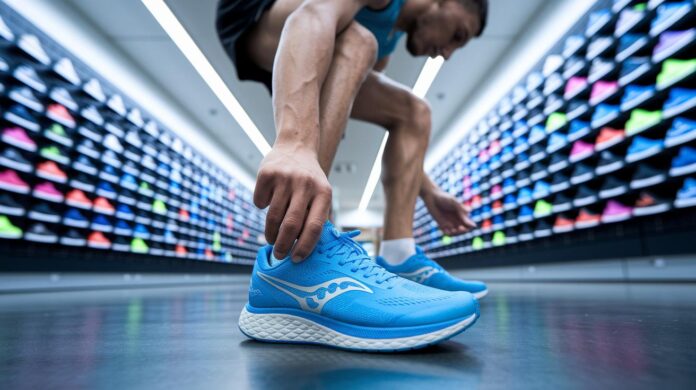

Ever noticed that wearing the wrong running shoes can really slow you down? Choosing the right pair means paying attention to every little detail. Think about the cushioning, which is the soft inside that makes every stride feel comfy, and the support that keeps your feet safe. The right shoes can boost your energy and even help prevent injury.
In this guide, we break things down step by step so you know exactly what to look for when shopping for running shoes. We cover fit, support, and cushioning levels, all in simple terms. Soon, you'll know how to pick a pair that keeps you feeling light on your feet and ready to race. Isn't it cool how a great pair of shoes can make your day?
Essential Criteria for Picking Good Running Shoes
When you're hunting for the perfect running shoes, start by zoning in on the main performance features. Your shoes should give you great support and cushioning (that soft inside that makes each step comfortable) to handle the impact of every stride. This cushioning offers a nice energy boost while helping to ward off injuries.
Next, think about how you run. Are you the heel striker, midfoot striker, or forefoot striker type? Taking a peek at your old shoes and noticing the wear can show you if you tend to overpronate (roll your foot inward too much). If you have a balanced stride, neutral shoes usually do the trick. But if you lean inward, you might need stability options for extra support. And if you have flat feet or severe overpronation, motion control shoes, with a firm heel and sturdy side supports, could be the way to go. Also, check out the heel-to-toe drop, which is simply the difference in sole thickness between the heel and the front. This helps you find the right balance between a soft feel and natural foot movement.
Keep these five key points in mind when you shop:
- Proper fit measurement
- Midsole cushioning level
- Arch/pronation support
- Terrain-specific outsole
- Shoe durability
Each of these elements can really change how your feet feel during those longer runs. Even slight tweaks, like a small change in midsole firmness or drop height, can have a big impact. So, be sure to test them out on a treadmill or track to really feel the difference.
Assessing Fit and Sizing for Running Shoes
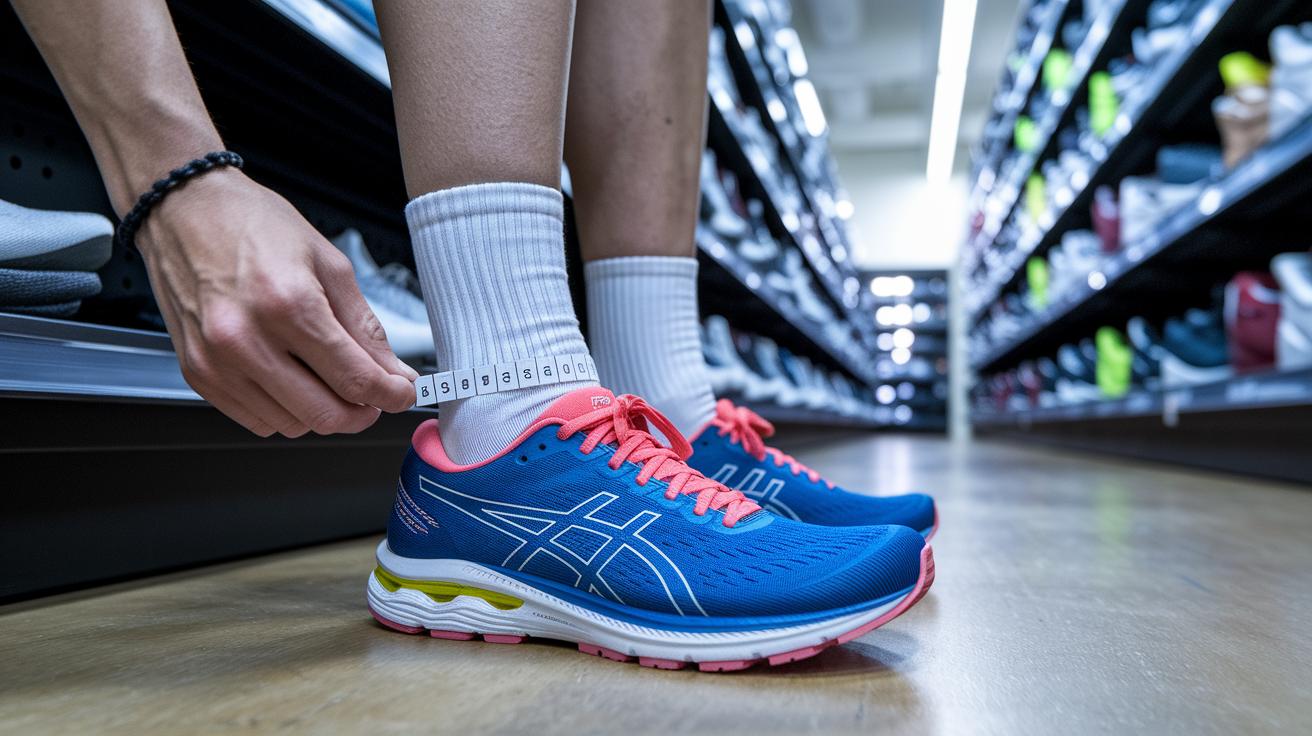
Finding the right running shoes is like nailing the perfect pair of kicks, a total game changer for your run. Start by measuring your feet later in the day, around 4 p.m., when they’re naturally a bit larger. This little tip helps ensure your new shoes feel comfy even when your feet are at their biggest.
Don’t forget to wear the same socks you plan to run in. After you measure, leave about a half-inch gap between your longest toe and the front of the shoe. When trying on cushioned performance sneakers (cushioning means the soft inside that makes each step feel great), take a few minutes to walk, and even try a light jog. This lets you really feel if the shoes are a good fit.
| Tip | Why It Helps |
|---|---|
| Measure in the afternoon | Your feet are naturally a bit larger later in the day |
| Wear your running socks | Ensures the fit is exactly what you need for actual runs |
| Leave a half-inch gap | Keeps your toes from feeling cramped |
| Take a test walk/jog | Helps you assess true comfort and support |
This hands-on process makes sure you walk away with shoes that are comfy, supportive, and ready to keep up with your pace. Ever notice how the perfect pair can change your whole day? Enjoy the ride!
Essential Criteria for Picking Good Running Shoes
When you're on the hunt for a great pair of running shoes, start by figuring out your foot arch, whether it's low, neutral, or high. This small detail is key because it tells you if you need extra support or if you can enjoy a naturally flexible ride. Ever notice how the right fit can change your whole run?
Neutral Running Shoes
Neutral shoes are a cool choice if you like a light, flexible feel. They usually come with a lightweight midsole that lets your foot move just the way it naturally does. These work best if your foot lands evenly or even if it rolls outward just a bit (that’s what we call supination). I’ve even heard runners say, "Wearing these feels like I'm barely wearing shoes!" Pretty neat, right?
Stability Running Shoes
If you find that your foot tends to roll in a little too much (a condition known as mild overpronation), you might want to try stability shoes. These kicks are built with extra support, like a small inner post and a firmer foam inside, that tough, dense material helps keep your foot steady. One runner shared that the firm foam really keeps his stride on track, making every step feel just right.
Motion Control Running Shoes
For runners whose feet roll in a lot or who have really flat arches, motion control shoes might be the answer. They come with extra structure, including a stiff heel counter and strong inner supports that keep your foot lined up properly. This added support helps reduce any unwanted sideways twisting during your run. Most experts say you only need this level of correction if your foot really demands it.
Selecting Cushioning, Support, and Drop for Running Shoes
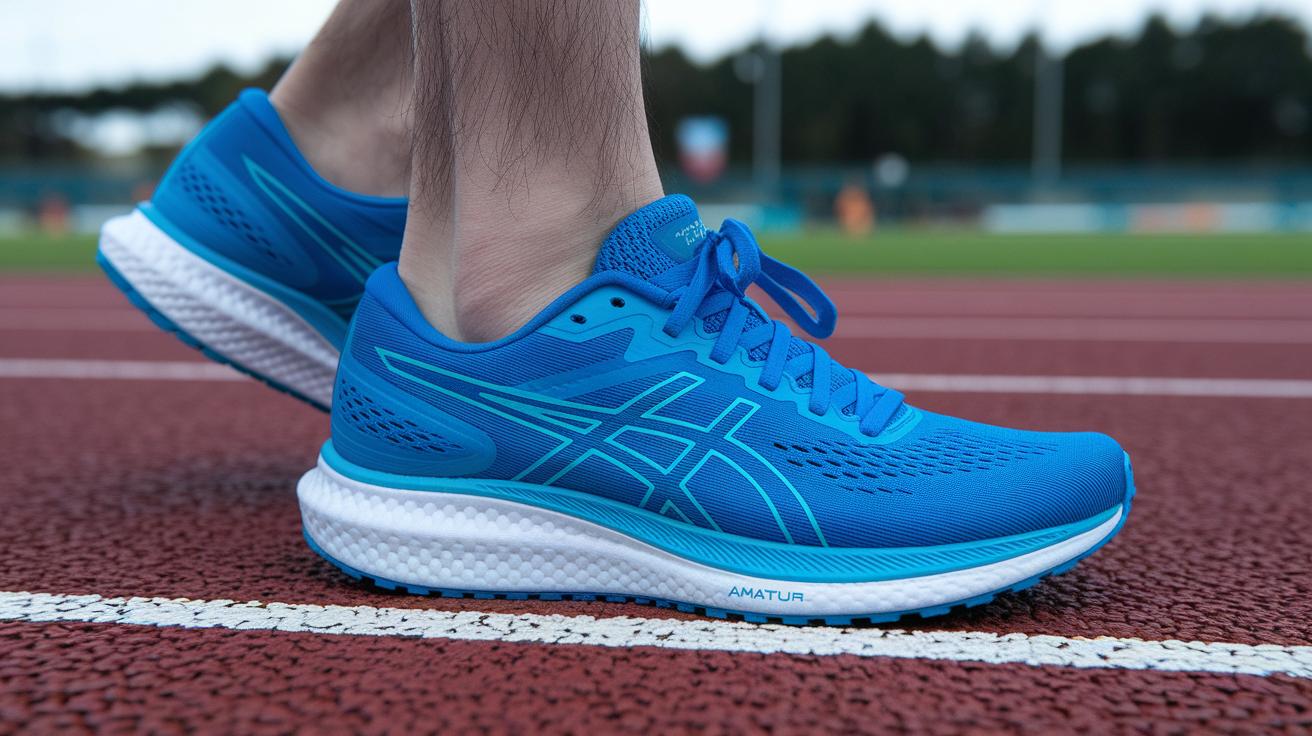
When you’re aiming for speed, every little detail in your running shoes matters. The cushioning can really change your run, firmer midsole foams give you a bouncy, responsive feel (imagine a spring under your foot), while softer foams wrap your foot in plush comfort and soak up shock. And that heel-to-toe drop, which is just the difference in thickness between the heel and the front of the shoe, can affect how your foot lands and how hard your calves work. Some runners prefer a lower drop because it helps encourage a more natural rolling movement, making each step feel balanced and smooth.
Support features also play a big role. You might notice things like a medial post, which is a firm bit on the inside of the shoe that stops your foot from rolling in too much, or varus wedges that help guide your stride. Dual-density foams (where two types of foam blend together for extra support) work with these features to keep your foot steady as you run. Then, design details in the midsole like flex grooves, rocker patterns, and toe springs (small lifts at the front of the shoe) help your foot move naturally and comfortably.
Material quality can make all the difference too. Knit uppers, for example, are super breathable and fit like a snug sock, while 3D-printed overlays add spot-on support where you need it most. Pairing cushioned performance with smart support and the right drop means you get a shoe that boosts your speed while protecting your stride one mile after another.
Picking Running Shoes for Road, Trail, and Mixed Terrains
If you're all about speed, the right shoe outsole can seriously change your game. When you're pounding the pavement, road shoes have smooth, low-profile outsoles that help you transfer energy efficiently and keep your strides quick. These designs keep the weight low and still give you a tight grip on hard surfaces.
Now, if off-road adventures are more your style, trail shoes are the way to go. They come with tough rubber outsoles and deeper lugs (3–5 mm) that dig into uneven terrain, shaking off debris and providing the extra traction you need when the path gets rough.
Then there are mixed or hybrid designs that offer a bit of both worlds. They feature moderate lug depth with lightweight midsoles, making them perfect when your route isn’t purely paved or purely off-road. The way the outsole is shaped and the quality of the rubber compound really counts, ensuring every step feels stable but nimble.
| Terrain Type | Lug Depth | Outsole Material | Typical Weight |
|---|---|---|---|
| Road | Low-profile (0-2 mm) | Durable Rubber | Light |
| Trail | 3–5 mm | High-traction Rubber | Sturdy |
| Mixed | Moderate | Multi-compound | Balanced |
Evaluating Durability, Material Quality, and Cost of Running Shoes

When you're choosing shoes built for speed, durability and quality really count, even if you’re all about a lightweight feel. Top brands like Brooks, Saucony, and Fila test their sneakers hard to ensure they hold up over time.
Take a good look at the mesh or knit uppers. They let your feet breathe and add a cozy comfort that lasts, especially when paired with sturdy stitching.
If you want to dive a bit deeper, check out the guide to athletic footwear manufacturing. It gives you a closer look at the material choices and testing standards these brands use.
Also, keep an eye on outsole wear patterns and midsole compression (that soft inside cushioning that makes each step comfortable), especially if you rack up 300 to 500 miles. This hands-on approach helps you know if your shoes will stick with you throughout your training.
Running shoes typically cost between $80 and $180, so balancing your performance needs with your budget is key. Many stores offer membership discounts, often 10% to 20% off, which means you can snag quality sneakers without breaking the bank.
Don’t skip checking the warranty and return policies either. A solid warranty shows a brand’s confidence in its build quality, giving you peace of mind every time you hit the track.
Expert Tips and Common Mistakes in Picking Good Running Shoes for Speed
When you’re on the hunt for running shoes built for speed, don’t be fooled by a flashy look if they feel pinched or tight on your feet. A pair can look great but completely mess with your stride if they aren’t comfy. Always take them for a spin on a track or treadmill to feel if they really offer the support you need.
One big mistake many of us make is forgetting when to change our shoes. Running shoes lose their cushioning (that soft inside that makes every step feel gentle) after 300–500 miles. Replacing them on time keeps your feet protected and helps cut down the risk of injury. Even better, switching between two pairs gives the midsoles a break and keeps them in top shape.
For the best fit, head to a specialty running store where the experts can do a proper gait analysis (basically checking how you run) and offer advice that suits your unique style. It can be a game-changer compared to the one-size-fits-all approach at general department stores.
Quick tips to remember:
- Don’t pick shoes based only on looks.
- Swap out your running shoes every 300–500 miles.
- Rotate between two pairs to extend their life.
- Let experts do a gait analysis to find the perfect match.
- Look into membership programs for a handy 10%–20% discount.
Following these tips means you’ll grab sneakers that not only look awesome but feel great too, keeping you fast and comfy mile after mile.
Final Words
In the action, this guide breaks down the basics of getting the right running shoes. We talked about finding the perfect fit, checking midsole cushioning, matching arch support, and weighing durability along different terrains.
We also covered the importance of sizing right with every pair you try on. Every little detail helps you feel confident and comfortable during your runs. Keep these pointers in mind when figuring out how to pick good running shoes, you’re all set to hit the track with renewed energy!
FAQ
How do I pick good running shoes for men and women, including Reddit tips?
Choosing running shoes involves measuring your feet accurately, assessing fit, cushioning, support, and durability. Online communities share hands-on reviews to help you match shoes with your running style.
What are the 3 types of running shoes?
Running shoes typically fall into neutral, stability, and motion control categories. Neutral shoes suit average arches, stability shoes aid mild overpronation, and motion control shoes support flat or severely overpronating feet.
What features define the best running shoes, including options for men?
The top running shoes offer balanced cushioning, proper fit, supportive arch construction, durable materials, and terrain-specific outsoles. They’re designed to enhance comfort and boost performance, especially for men’s varying needs.
What types of running shoes work for different feet?
Matching shoes with your foot type is key. Neutral shoes work for average arches, stability models benefit mild overpronators, and motion control options provide extra support for flat feet, helping reduce discomfort during runs.
What features do Nike running shoes offer?
Nike running shoes come with responsive cushioning, lightweight construction, and smart design that blends style with performance. They cater to different running styles, ensuring a comfortable and modern experience.
How do I know which running shoe is best for me?
Determining your best running shoe means checking the fit, cushioning, arch support, and suitability for your running style. Try them with your regular socks, take a quick run test, and see which feels right.
What should I consider before buying running shoes?
Before buying, assess the fit, cushioning, arch support, and durability. Consider how the shoe matches your foot-pronation and the terrain you’ll run on to make an informed decision.
Do good running shoes actually make a difference?
Good running shoes provide essential support, reduce strain, and improve comfort, which can lessen injury risk and enhance overall running performance, making a noticeable difference in your workout.
What defines a good quality running shoe?
A quality running shoe features an accurate fit, balanced cushioning, strong support, durable materials, and a design that works with your running style to boost comfort and performance.