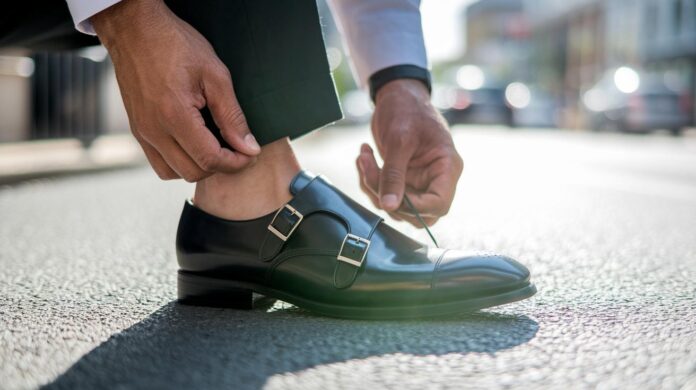

Ever wonder if your monk strap shoes could be as cozy as your favorite sneakers? Giving them a gentle break-in helps save your feet from early aches and keeps the leather looking smooth and fresh.
In this post, we’re sharing a simple, step-by-step plan that treats your new shoes like a friend who just needs a little time to settle in. With a slow and steady approach, you can ease your shoes into an all-day fit that feels just right every time.
Step-by-Step Break-In Strategy for Monk Strap Shoes
Taking your time to break in your monk strap shoes lets them get to know your feet and settle into a comfy fit. A slow start helps prevent harsh pressure on your instep and stops the leather from cracking later on.
By easing into it, you can tweak the adjustable strap one notch at a time. This careful approach stops you from tightening too much and gives every part of the shoe a chance to soften nicely. Start with short sessions, then slowly add more time as you and your shoes become better pals.
- Clean off factory finish
- Fully loosen both buckles
- Wear with thick socks for 1–2 hours
- Take breaks to massage the leather
- Tighten straps little by little
- Switch to thinner socks as the leather softens
- Check for any pressure spots and adjust
- Let your shoes rest for 24 hours between sessions
Stick with this routine and don’t rush it, hurrying can lead to discomfort or even harm the leather. A patient break-in means you’ll soon have monk straps that fit like a dream and feel amazing every time you slip them on.
Preparing Monk Strap Leather Before the First Wear
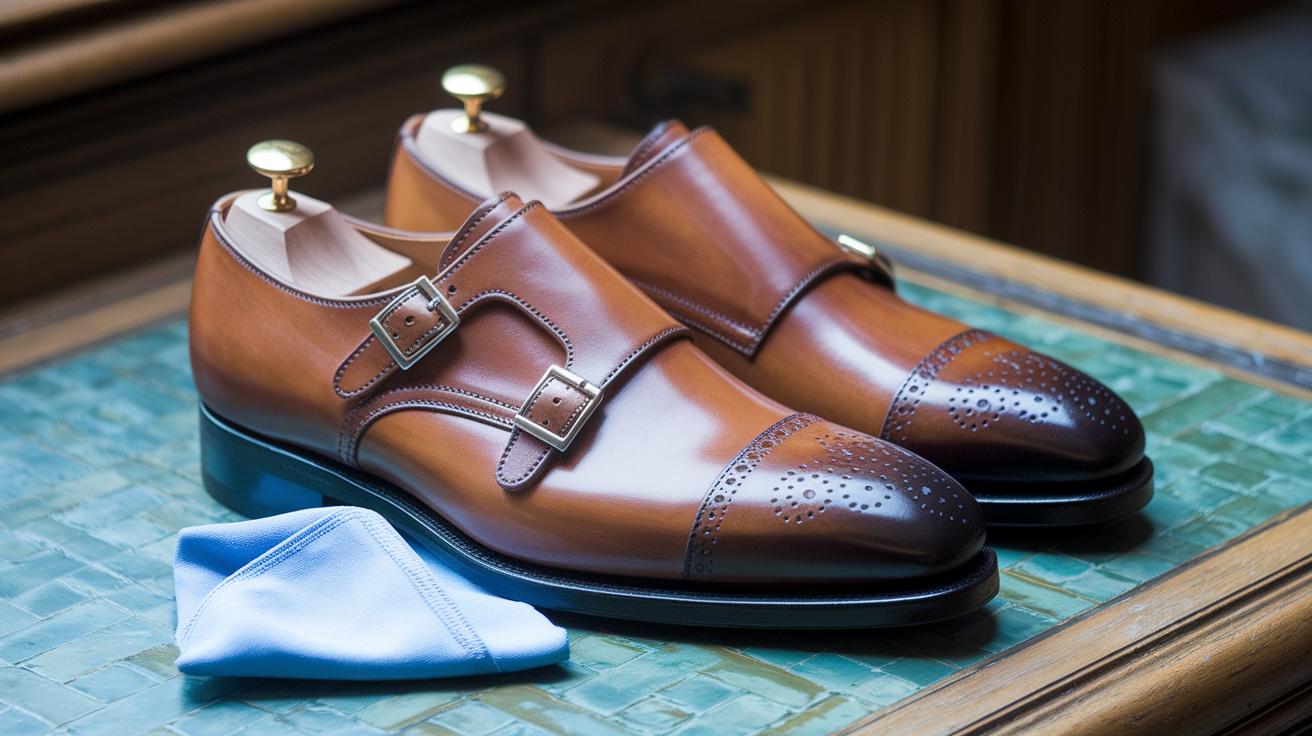
Start by giving your monk strap shoes a quick clean-up. Wipe off any dust or dirt with a damp cloth on the full-grain calf leather (that’s the tough, naturally beautiful top layer). Then, set your shoes aside to air-dry so they can settle just right.
Next, gently massage the leather with your fingertips, paying extra attention to the vamp (the front section) and the heel. This soft massage helps the leather stretch a little, making it more flexible and ready to shape comfortably around your foot. It’s like a mini workout for your shoes!
Finally, warm up the leather to unlock its natural oils. Use a hair dryer on low from about 6 to 8 inches away or place your shoes near (but not on) a radiator. The gentle heat softens the leather without causing cracks, creating a cozy feel for when you step out. Take your time and enjoy each step.
Understanding Monk Strap Construction and Its Impact on Breaking In
Monk strap shoes are built in a way that makes them feel quite stiff when you first put them on. The way the straps sit and how the sole is made work together to shape the pressure on your foot. This special design means you'll need to break them in slowly for that perfect, comfy fit.
Strap Configuration Impact
If you've got single buckle monk straps, you'll notice they feel more bendy in the front. This extra flexibility helps the shoe move with your foot, making those first few wears a bit easier. And since you can adjust the tightness on the fly, it really helps when the leather is still a bit hard.
In contrast, double buckle designs grab your foot more securely. They spread the pressure evenly, which might mean you need a little extra time to soften the leather. So, with these, you might have to work a bit harder during the break-in phase before they feel snug and natural.
Materials and Cushioning
These monk straps are made with thick calf leather, and that kind of leather takes its sweet time to soften. Blake stitching (a simple way to stitch the leather so it holds together well) keeps everything in place while the leather settles, though it can slow down the break-in process a little. On the bright side, rubber sole inserts and a cushioned footbed add some extra give, soaking up pressure and making each step feel more comfortable as the shoe molds to your foot.
Top Leather Conditioners and Stretching Tools for Monk Strap Shoes

For your slim monk straps, choosing a neutral-pH leather cream is a smart move. This kind of cream keeps the natural oils (that soft, natural goodness) right inside your high-quality calf leather. It gently softens the material so your shoes break in more smoothly without any cracking or irritation.
Using the right conditioner not only brings out a natural shine but also boosts the leather’s durability, making your shoes comfier over time. And don’t forget the tools! Wooden shoe trees and adjustable metal stretchers are key players here. They help your shoes keep their shape and gently expand tight areas like the vamp, so you get a fit that feels just right every time you wear them.
| Product | Type | Key Benefit |
|---|---|---|
| Neutral-pH Leather Cream | Conditioner | Restores oils, prevents cracking |
| Beeswax Balm | Sealant | Water resistance, pliability boost |
| Wooden Shoe Tree | Shape Retainer | Keeps shape, soaks up moisture |
| Adjustable Metal Stretcher | Stretch Tool | Gently eases tight vamp areas |
I usually recommend testing any new product on a small patch first, just to make sure it’s a perfect match for your leather. Also, give your shoes some extra love every few wears by applying your favorite conditioner; a little goes a long way in extending their life.
After each break-in session, treat your shoes with that pH-balanced cream. It keeps them soft and stops dryness and cracking over time. And when you’re not wearing your shoes, pop in a wooden shoe tree to help them keep their shape. If you’re dealing with a stubborn tight spot, the adjustable metal stretcher can gently ease it out without changing the look of your favorite pair.
Regular, consistent care like this makes sure your monk straps stay stylish and comfortable every day.
Best Practices to Prevent Damage and Ensure Comfort During Break-In
Taking care of your monk strap shoes is a lot like caring for your favorite sneakers. Start by keeping them in a clean, dry spot where creases and damage are kept at bay. Water can leave dark spots and weaken the leather (that soft, flexible material) over time, so a little extra attention can really help your shoes last.
After you wear them, let your shoes air-dry naturally. Using shoe trees to hold their shape is a smart move because it stops the leather from warping. This easy habit prevents costly repairs later and makes sure every step feels comfy once your shoes are fully broken in.
Here are some simple tips to follow:
- Do rotate your shoes every day.
- Don’t over-tighten the buckles.
- Do wear moisture-wicking socks.
- Don’t store them in plastic bags.
- Do use shoe trees between wears.
Keep an eye out for unusual creases or stiffness, and if you notice anything off, it might be time for a little extra care or professional maintenance. Stick with a regular routine, and your monk straps will stay in great shape for years to come.
Timeline and Wear Routine for Easing Monk Strap Shoes

Here's a handy snapshot to help you gradually soften your monk strap shoes. We've broken down the process into simple weeks with clear tips so your shoes feel cozy fast.
| Timeframe | Daily Wear | Key Reminders |
|---|---|---|
| Week One | 1–2 hours | Check for any tight spots and give your shoes a break overnight |
| Week Two | 4–6 hours | Slowly adjust the straps and switch to your everyday sock thickness |
This quick guide sits right beside the detailed break-in steps above, giving you an easy way to track your progress as you enjoy the comfort of your monk straps.
Final Words
In the action, we walked through everything from pre-care tips and detailed break-in steps to understanding the shoe's construction for a comfy fit. We covered using conditioners, adjusting buckles, and even keeping track of wear routines. Each section helped simplify how to break in monk strap shoes. Keeping up a steady and careful routine will help your shoes mold perfectly around your feet. Here's to stepping out in comfort and style every day!
FAQ
How should monk strap shoes fit?
Monk strap shoes should have a snug yet comfortable fit. The adjustable straps allow you to ease pressure around the instep while keeping the heel secure, ensuring a smooth and relaxed feel during wear.
How to break in a pair of shoes quickly?
Breaking in monk strap shoes quickly means starting with short wear sessions using thick socks. Gradually, massage the leather and adjust the straps to ease stiffness and achieve a more comfortable fit.
Are monk shoes comfortable?
Monk shoes are comfortable once they’re properly broken in. The adjustable buckles let you customize the fit, and as the leather softens, the shoes gently mold to your foot for lasting comfort.
Do you wear socks with monk straps?
Wearing socks with monk strap shoes is a smart idea, especially during the initial break-in phase. They help reduce friction, protect the leather, and add extra cushioning for a better overall fit.