

Ever thought about how long your everyday shoes should stick around? Most of us wear our go-to pair every day, not realizing that even our toughest kicks have a limited life. Experts say it’s a good idea to swap them out every 8 to 12 months. That’s when the cushioning (the soft inside that keeps each step comfy) starts to lose its magic and the miles really add up.
Even if your shoes still look sharp, they might not give your feet the support they need anymore. So, if your shoes have been with you through thick and thin for a while now, it might be time to consider a fresh pair for that extra boost of comfort.
Everyday Shoe Lifespan: How Long Your Shoes Last When Worn Daily
Experts say that if you're wearing the same pair of shoes every day, it's a good idea to swap them out after 8 to 12 months. This way, your feet keep getting the support they need, step after step. Ever notice how your sneakers start feeling less comfy after months of wear? That loss of cushioning (the soft inside that keeps your steps comfy) is a clear sign it's time for a new pair.
There’s also a handy mileage rule to follow, the 500-mile guideline. Whether it's high heels, walking shoes, or sporty sneakers, most styles will give out around 500 miles of wear before they start to show wear and tear. Think about it: if you walk about 30 minutes a day, five days a week, you'll clock in roughly 180–260 miles a year. That slowly built-up mileage shows why replacing your shoes when you hit around 500 miles makes sense.
Different types of shoes might wear out on their own schedule. For example, running shoes often last from 300 to 500 miles, which is about 6 to 9 months, while walking shoes and casual sneakers usually stick around for about 500 miles or 8 to 12 months. Even leather or dress shoes, if you take good care of them, generally fit within that same timeframe for everyday use.
Key Durability Factors for Shoes Worn Every Day

Your shoes start with solid materials and smart design. When they’re crafted from top-notch leather or sturdy synthetics, feature strong stitching, and have a durable outsole (the bottom part that touches the ground – imagine it as the shoe’s own little sole), they tend to stick with you longer. It’s a bit like building your favorite sandwich with the best ingredients, each high-quality piece adds to a longer-lasting result.
Then there’s how you wear them. Your weight, whether you walk or run, and even the surfaces you step on all shape how your shoes age. If you’re always on rough pavement or pushing your limits in high-impact activities, you might notice the cushioning (the soft inside that makes each step comfy) giving in sooner. But if you’re on gentler, softer ground, your shoes might have a longer life. Even tiny differences in your step can spread out the wear, helping you know when it might be time to switch to a fresh pair.
Shoe Type Comparisons: Lifespan Benchmarks for Everyday Footwear
Let’s take a moment to chat about how long your everyday shoes usually last. We’ve pulled together some handy numbers, including athletic court shoes, so you can easily compare them with other types. For instance, think about your running shoes. They typically maintain that soft cushioning (the soft inside that makes each step comfy) for about 300–500 miles, which adds up to roughly 6–9 months of regular wear.
| Shoe Type | Typical Lifespan | Mileage Range |
|---|---|---|
| Running Shoes | 6–9 months | 300–500 miles |
| Walking Shoes | ≈6 months | ≈500 miles |
| Leather/Dress Shoes | 6–12 months | , |
| Athletic Court Shoes | 3–6 months | 300–400 miles |
| Casual Sneakers | 8–12 months | ≈500 miles |
Hope this helps you figure out when it might be time to freshen up your collection!
Wear and Tear Indicators for Daily Shoes
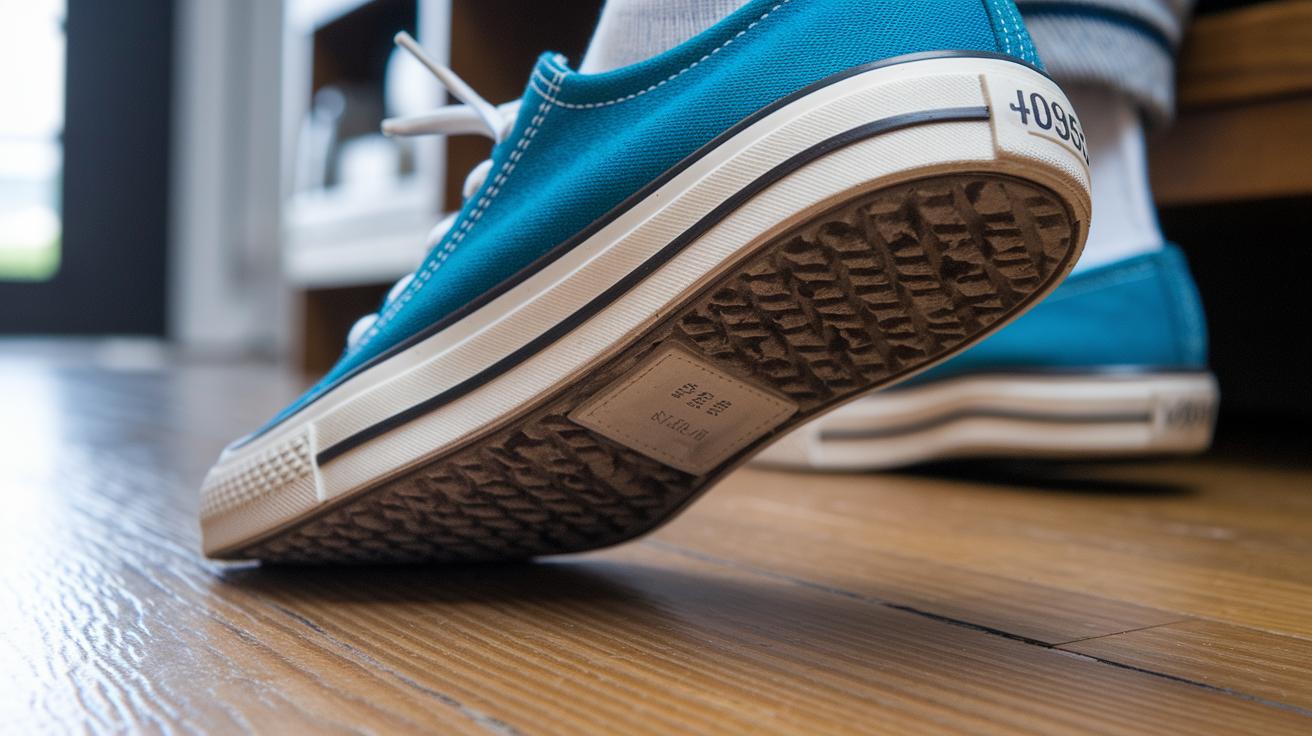
Ever notice when the heel on your favorite pair starts to look a bit off? That fading or crumbling spot is one of the first clues that your shoes are taking a beating from everyday use. Every step, especially the constant heel-to-toe motion, can wear out that area before anything else shows signs of trouble.
Another tip is to check out the sole. The pattern, or tread, on the bottom of your shoes gives you grip. When you see that it’s getting smooth or fading, it isn’t just losing its grip; the cushioning (that soft inner layer that makes each step feel comfy) might be wearing out too. It’s like noticing your sneakers aren’t providing that secure, reliable feel they once did, maybe it’s time for a look.
Also, listen to your feet. If new pain, blisters, or a sharp feeling in your arch starts during your daily walk or workout, it could mean your shoes aren’t supporting you the way they used to. Even if they still look okay from the outside, worn-out cushioning can create all sorts of discomfort, sometimes leading to issues like plantar fasciitis. It might be a sign that your pair has run their course.
Maintenance and Care Tips to Extend Daily Shoe Durability
Rotating your shoes is a smart and simple trick to help them last longer. Switching between at least two pairs gives each one a break, letting them air out and settle back into shape. And if your shoes get wet or dirty, clean and dry them right away so the materials don’t weaken. This little routine makes sure your steps stay comfy and secure every day.
Keeping your shoes clean is just as important as giving them a break. When dirt or moisture starts to build up, gently wash your shoes and let them dry completely before you wear them again. For leather shoes, using a conditioner (a soft cream that keeps the leather flexible and prevents cracks) can really help. If you’re dealing with suede, you might want to check out some tips on how to clean suede dress shoes online. Regular cleaning stops stubborn stains and makes your shoes last way longer.
Storing your shoes properly adds yet another level of care. Find a cool, dry spot away from direct heat or sunlight so they don’t warp or fade. A good quality protectant can fend off stains and water damage, keeping your shoes looking fresh and feeling comfortable. Taking these simple steps means your shoes will stay in great shape, letting you enjoy every step with real confidence and comfort.
Final Words
In the action, we covered key pointers on everyday shoe lifespan. We broke down the 8–12 month guideline, compared mileage rules, and highlighted signs that your shoes are ready for retirement.
We also walked through care tips that help stretch out your favorite pair’s life. It’s all about knowing your shoe type and keeping an eye on wear patterns.
Keep in mind how long should shoes last if you wear them everyday, it's all part of enjoying both style and comfort.
FAQ
Frequently Asked Questions
How long should shoes last if you wear them everyday?
Everyday shoes usually last about 8–12 months or around 300–500 miles of use. This period varies by style, quality, and how intensely you wear them, so keep an eye on signs of wear.
How long do leather shoes and work shoes typically last?
When worn daily, leather and work shoes often last between 6–12 months. Their longevity depends on material quality and care, with heavy use sometimes shortening their lifespan.
How long do shoes last in storage?
Shoes stored in a cool, dry space can keep their condition longer, but materials still age over time. Regularly inspect stored pairs, as even unused shoes may not perform well after a few years.
What is the 3 shoe rule?
The 3 shoe rule means rotating at least three pairs of shoes. This practice gives each pair time to decompress and recover, which helps maintain their cushioning and overall durability.
When should I replace or throw out my shoes and how do I know if they’re worn out?
Replace your shoes when you notice worn-out soles, reduced cushioning, or consistent discomfort. Visible wear and pain signals mean the support is failing, and it’s time for a new pair.
How do popular brands like HOKA, adidas, PUMA, ASICS, Nike, and New Balance compare in durability?
Popular brands such as HOKA, adidas, PUMA, ASICS, Nike, and New Balance offer good durability when used properly. Durations vary by model and usage, so check the specific recommendations for each pair.