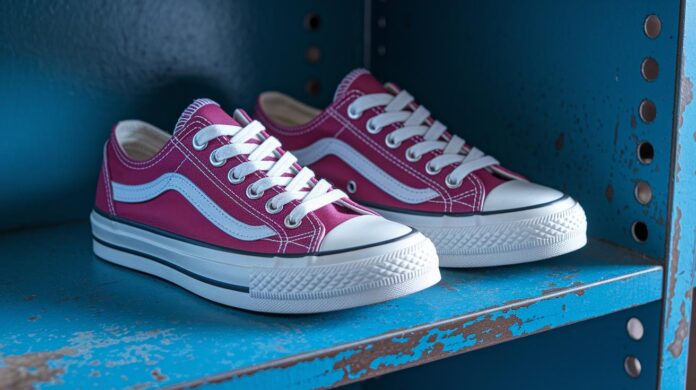

Have you ever stopped to think why a basic canvas sneaker from the 50s still holds up today? These low top sneakers began as simple athletic shoes and have grown into a cool mark of urban style. They mix sporty function with everyday comfort, thanks to cushioning (the soft inside that makes each step feel comfortable) that really lets you feel the difference.
In this post, we're taking a look at how these kicks went from rugged court shoes to today's street favorites. They manage to blend old-school charm with the latest in modern technology. It’s pretty amazing how a simple design turned into such a bold statement, don’t you think?
Tracing the History of Low Top Sneakers
Low top sneakers have come a long way since the 1950s. Back then, athletes rocked simple canvas shoes with rubber soles to give them total freedom on the court. Today, they're not just sports gear, they're a key part of street style. Ever notice how cool it is that a basic canvas design from the 50s still influences what we wear? Interactive charts even highlight which brands ruled each decade, painting a clear picture of sneaker culture blooming in neighborhoods everywhere.
Let’s break it down by decade:
- In the 1950s, rugged canvas sneakers laid the groundwork.
- By the 1970s, the designs got sleeker and the shoes became lighter and more flexible.
- The 1980s introduced cool tech like injection-molded cushioning (that soft inner layer that makes every step feel comfy) for extra comfort.
- In the 21st century, high-tech materials like precision-engineered foams and smooth fabrics brought a new level of style and function.
Each era left its mark on the design, blending performance with everyday flair. And honestly, isn’t it wild how each generation has added its own twist to these classics, making them a lasting icon in both basketball and urban style?
history of low top sneakers: Bold Retro Charm
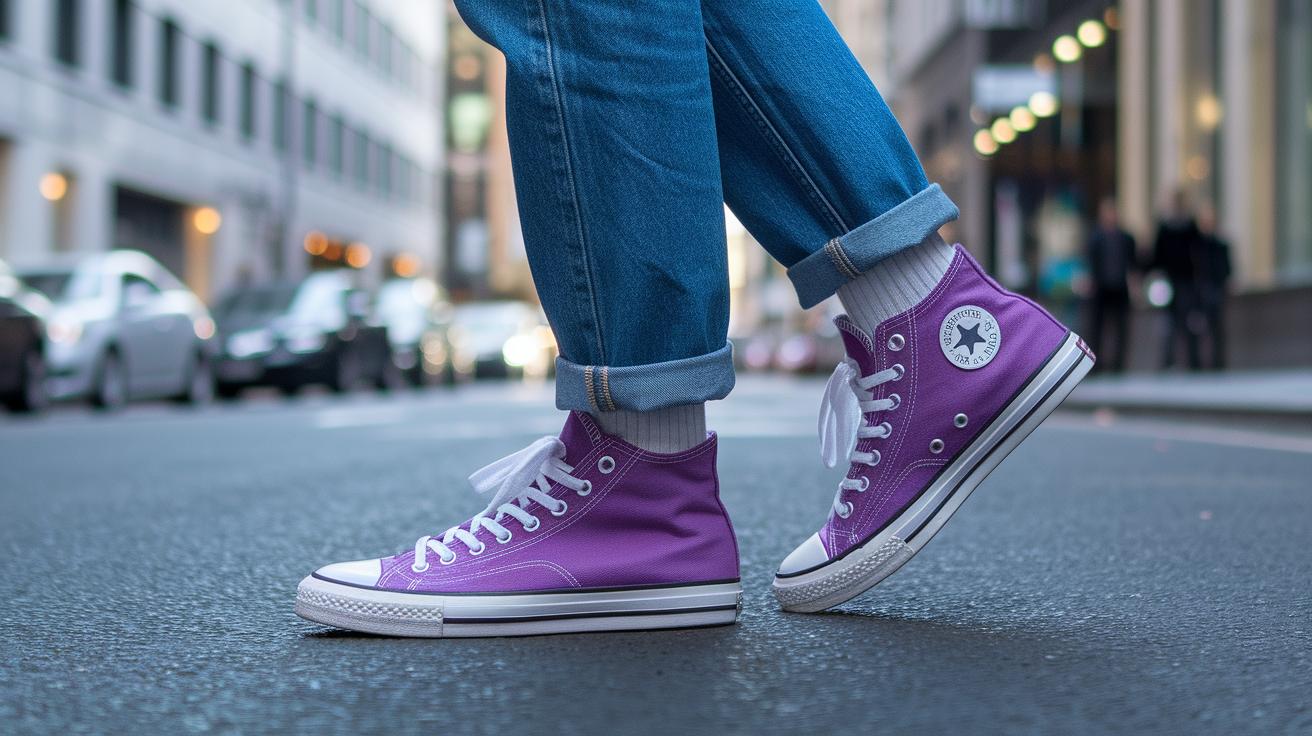
Low top sneakers have come a long way, blending sporty vibes with everyday street style. Today's kicks pack modern cushioning (the soft inside that makes each step comfortable) and lightweight support, giving you comfort without losing that classic retro feel. They’ve turned into symbols of cool freedom that still influence the way we dress.
These shoes are more than just stylish, they carry a cultural vibe that bridges athletic energy and daily expression. They remind us of when raw, functional style ruled, but now they’re upgraded with features like improved shock absorption and breathable, durable fabrics. Just imagine: low top sneakers were once pushed to the limit under tough tests to balance performance with an eye-catching look.
New touches like crisp stitching and tech-enhanced insoles (extra cushioned layers for comfort) drive performance while keeping that bold retro charm we all love. It's this perfect mix of old-school design and today's athletic tech that makes low tops a go-to choice for anyone after style and comfort in one cool package.
- Merges modern tech with a classic vibe
- Pays homage to iconic cultural style
- Offers lightweight comfort paired with bold looks
Milestones in the Evolution of Low Top Sneakers
- In the 1950s, a new style emerged with rubber-soled canvas shoes that let you move freely on the court. It was a game-changing design that felt light and flexible.
- By the 1970s, sneakers got even sleeker. Designers shifted to minimal shapes that kept things light without any clunky extras.
- The 1980s brought injection-molded cushioning (that super soft inside that makes every step comfy) into everyday sneakers, adding a touch of impact-absorbing comfort for all-day wear.
- In 1987, Nike Air arrived in low top form, giving each step a bouncy feel and even cutting down on weight. Ever notice how a little bounce can make all the difference?
- Then, in 2012, Flyknit knit uppers hit the scene, wrapping your feet in a snug, breathable fit that felt like a custom-made sock.
An NBA player once mentioned how low tops, like the Hyperdunk Lows and Kobe Lows, stood out for their durability over high-tops, marking a key shift in how performance sneakers were designed.
Cultural Impact of Low Top Sneakers
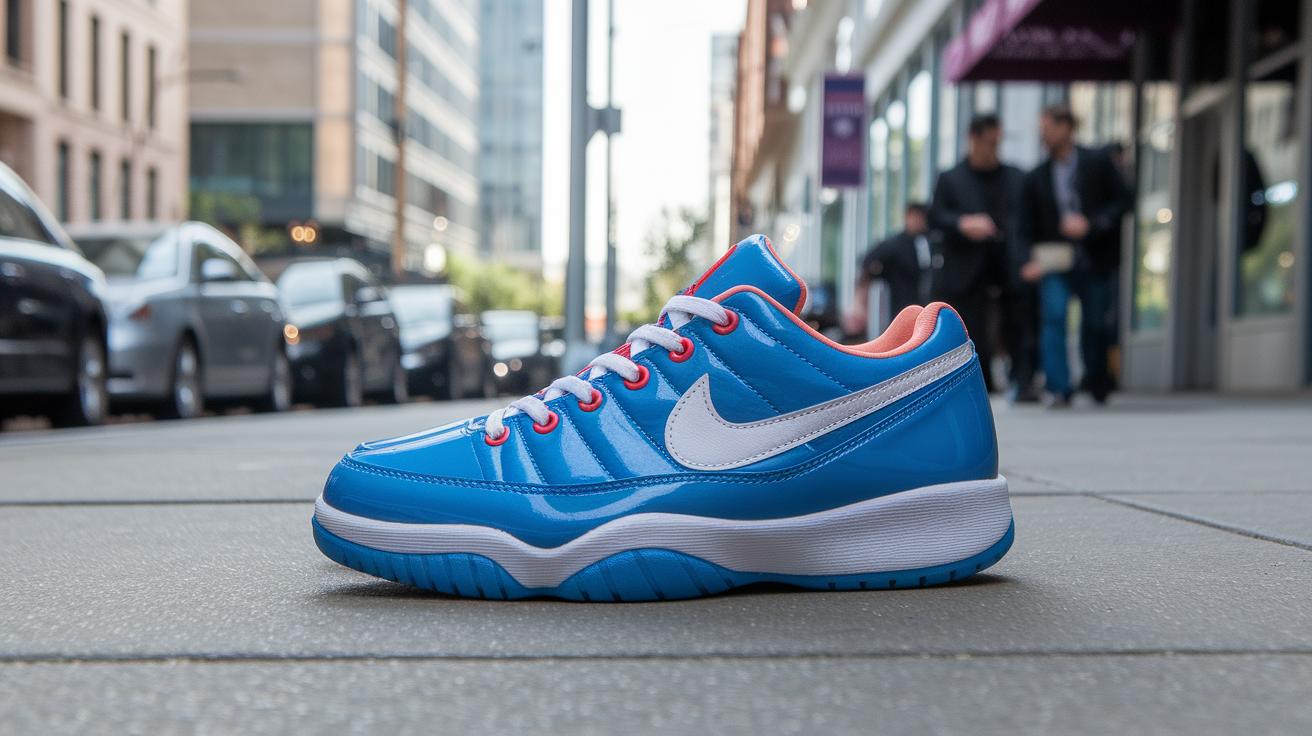
Low top sneakers used to be simple sports gear, but now they’re a real way to show off your style. Nike’s low tops became famous because they let athletes move freely on the court while still looking great on the street. Sneaker fans were instantly drawn to these kicks, over 5,000 views show just how connected people feel to their story. They evolved from just performance wear into a canvas for culture, mixing the energy of basketball with hip-hop beats and the bold moves of skateboarding.
Urban style got a major boost from these shoes. They even sparked music videos and street art that celebrate the idea of being unique. These sneakers marry athletic performance with personal style, winning over everyone, from sports stars to creative trendsetters. It’s like putting together the perfect outfit: you need a base that’s comfy, dependable, and stylish all at once.
- They’re a cool mix of smooth movement and eye-catching design.
- They’ve left their mark on music scenes and urban fashion trends.
- They still hold onto a nostalgic charm that reminds us of a lively past.
All in all, this cultural shift shows us that low top sneakers are more than just shoes. They capture a spirit of fun and freedom, telling a timeless story that keeps inspiring us today.
Modern Innovations in Low Top Sneaker Design
Nowadays, low tops get a cool makeover with new materials that really change the game. Think of engineered meshes (a special knit that helps your feet breathe), carbon-fiber reinforcements (light parts that make your shoes super strong), recycled materials, and precision knits (custom-like fabric that fits just right). Take Nike Flyknit, for example, it wraps your foot like a comfy sock, while smart foam midsoles (soft inserts that bounce energy back at you) give you that extra boost. Ever notice how the right pair can really power you up before a game?
Today’s trends in flat athletic shoes are all about being eco-friendly and super light. Designers are daring to go seamless, making shoes that look slick and feel amazing. Here are some highlights:
- Engineered meshes that let air flow while keeping your foot snug
- Carbon-fiber reinforcements that add strength without extra weight
- Recycled materials that help take care of our planet
These updates do more than just improve how you move, they also bring back a bit of that old-school charm you remember from classic court shoes. The new foam midsoles feel like you're walking on clouds, and precision knits mix toughness with a perfect, personal fit. It’s like having high-tech magic paired with the warmth of a vintage vibe.
Big brands are all in on this trend, blending top-notch performance with that cool retro feel. The move to greener, smarter designs shows that today’s sneakers aren’t just about style or comfort, they’re about giving you the best of both worlds.
Timeline of Low Top Sneaker Evolution
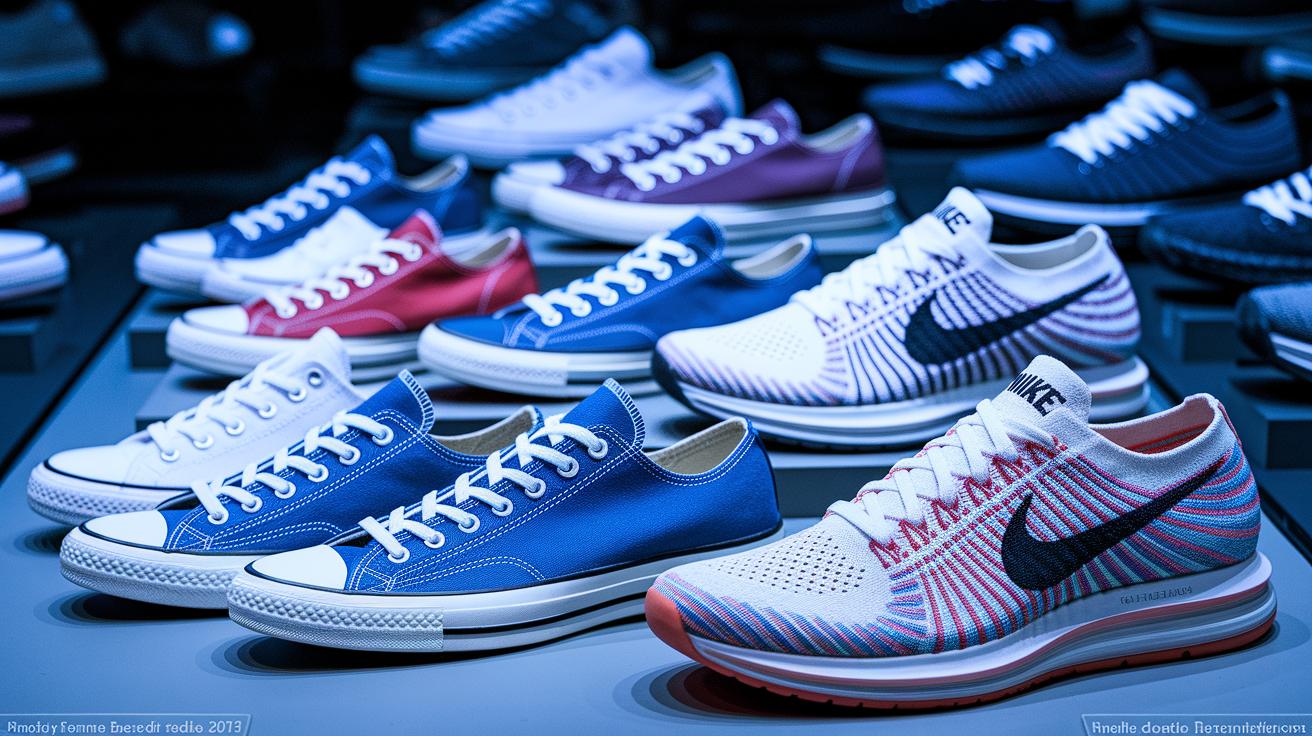
It all began in the 1950s when Converse introduced basic canvas and rubber sneakers that kick-started a style revolution. These simple kicks not only redefined casual wear but also set a trend that many modern classics still follow.
Jump to the 1970s, and you see brands like Puma and Adidas stepping in with sleek, minimal designs. They mixed sports and everyday fashion, crafting sneakers that felt both athletic and stylish. It’s like they reimagined what everyday shoes could look like.
Then came the 1980s, a decade that changed the game with injection cushioning (the comfy, soft interior that makes your step feel effortless). Reebok and Nike boosted sneaker comfort and performance, paving the way for the tech-savvy designs we see today.
By 1987, Nike’s air technology made its debut, rethinking low tops with a lighter, more dynamic feel. This innovation still influences the airy, cushioned models we love now.
In 2012, Nike introduced Flyknit construction, merging advanced engineering with classic style. This blend of timeless appeal and modern eco-friendly trends made for a design that’s as forward-thinking as it is familiar.
| Decade | Milestone | Brand Influence | Impact |
|---|---|---|---|
| 1950s | Canvas & rubber debut | Converse | Set the stage for casual style with a simple design that inspires modern classics. |
| 1970s | Minimal silhouettes | Puma & Adidas | Combined athletic function with everyday style, influencing the clean looks we love today. |
| 1980s | Injection cushioning | Reebok & Nike | Enhanced comfort and performance, opening the door to tech-forward sneaker designs. |
| 1987 | Air technology | Nike | Introduced a lighter, more energetic feel that still shapes current air-cushioned models. |
| 2012 | Flyknit construction | Nike | Merged innovative engineering with retro style, embracing modern sustainable trends. |
Final Words
In the action, low top sneakers have journeyed from simple canvas kicks to modern innovations that give both style and comfort. The blog post showed their transformation from court sports to cultural icons, highlighting sports influences and groundbreaking design tweaks along the way.
Every step in their evolution, explained through interactive charts and vivid milestones, captures an exciting timeline. The history of low top sneakers reminds us how these shoes not only fit our feet but also boost our style and confidence. Enjoy rocking your perfect pair today!
FAQ
History of low top sneakers Wikipedia
The Wikipedia history of low top sneakers covers how these shoes evolved from basketball court essentials to daily wear icons, highlighting key design shifts and cultural moments along the way.
History of low top sneakers timeline
The timeline of low top sneakers traces their journey from classic 1950s canvas models to modern innovations, showcasing pivotal milestones that redefined these athletic and streetwear staples.
History of sneakers timeline
The sneakers timeline maps major periods—from the 1950s debut to 1980s cushioning breakthroughs—illustrating the transformation of sneakers from basic court shoes to essential elements of everyday style.
What was the first sneaker brand
The discussion about the first sneaker brand points to Converse, whose iconic Chuck Taylor All-Star pioneered low top designs, setting a standard for athletic shoes that continues to influence modern footwear.
History of sneakers book
The sneaker history book explores the origins and evolution of sneakers, detailing how athletic designs transformed into cultural symbols and everyday fashion while charting influential trends over decades.
10 fascinating Facts about sneakers
The list of 10 fascinating facts about sneakers uncovers details like their early canvas forms, technological breakthroughs, and cultural impact, revealing the rich heritage behind these adaptable shoes.
First sneakers ever made
The inquiry into the first sneakers ever made directs us to early canvas and rubber models, which laid the groundwork for modern athletic shoes by introducing essential comfort and design features.
When did sneakers become popular
The question about when sneakers became popular highlights their mid-20th century rise—from specialized sports gear to everyday wear—as they captured major cultural shifts in style and performance.
When did basketball players start wearing low tops?
The question about basketball players wearing low tops dates back to the 1950s, when athletes switched to low-cut canvas models like the Converse Chuck Taylor All-Star for improved ankle mobility.
What does a low top sneaker mean?
The question on low top sneakers means a design that sits below the ankle, offering greater freedom for movement and a relaxed style that blends performance with modern casual wear.
Why do NBA players wear low tops?
The query about why NBA players choose low tops reveals that these shoes provide better ankle flexibility and a lighter feel, which boost mobility and comfort during high-speed game plays.
Did Jordan wear low tops?
The question about Jordan’s choices shows that while Michael Jordan is famous for high-tops, he also wore low tops on occasion to meet different performance needs and stylistic preferences.