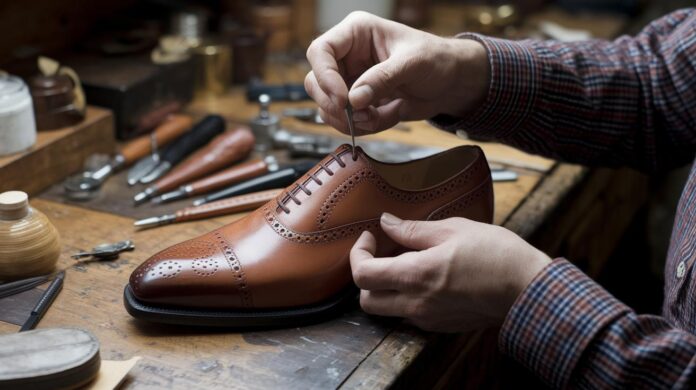

Ever wonder how a pair of custom kicks can carry a story from centuries ago? Back in the 1500s, nobles would chat with their shoemakers about creating shoes that told a personal tale. Each hand-crafted detail spoke of status and taste, setting the stage for a tradition that has grown over time. Today, traditional methods meet modern style in the art of handmade shoes. So, step into a story of timeless craftsmanship and see how personal flair has shaped our world.
Bespoke Shoes Origins and Evolution
The word "bespoke" comes from the phrase "be spoken for". Back in the 16th century, fancy folks and nobles picked special shoemakers to craft shoes just for them. It was more than picking a pair of shoes, it was a personal statement that said, "These shoes are as unique as I am."
Nobles would drop by the shoemaker time and again, chatting about every tiny detail, from the feel of the leather to the shape of the last (that’s the wooden mold that gives the shoe its form). Imagine a distinguished customer saying, "I need shoes that show off my status and my style," and then the shoemaker setting to work to create a pair that was as comfortable as it was beautiful.
These first custom orders built the foundation for centuries of bespoke shoemaking. Like a cherished recipe passed down through generations, the art of making shoes by hand grew and evolved over time. Today’s custom shoemaking still carries that same personal touch, blending old-school techniques with modern flair.
Comprehensive Historical Timeline of Bespoke Shoemaking
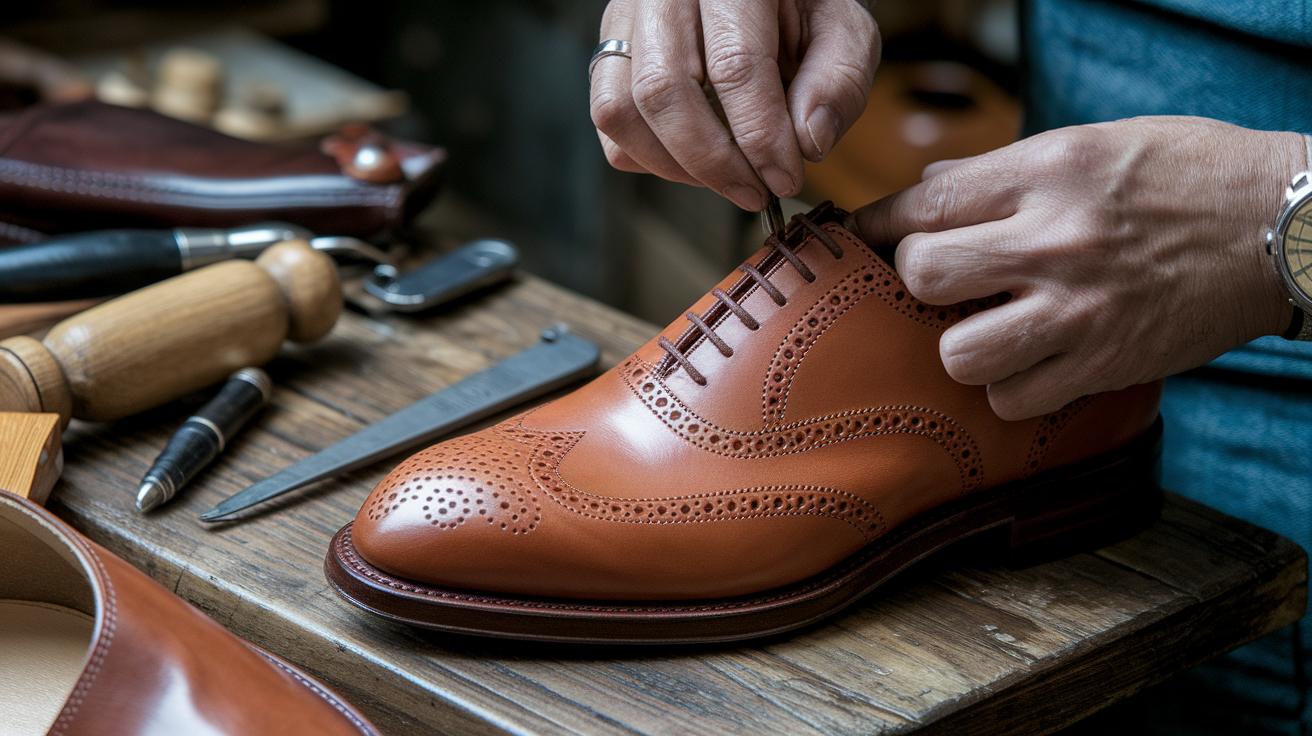
When you look at the history of custom shoemaking, it’s like reading a cool story where every chapter adds a new twist to what we call bespoke shoes today. It’s all about showing how design, technique, and crafty innovation evolved over time, influencing how personalized footwear feels and fits.
16th-Century Aristocratic Commissions
Back in the 1500s, noble families started placing their own orders for shoes. Think of it as the very first time someone said, “I want shoes that show exactly who I am.” Aristocrats talked directly to the shoemakers, giving detailed directions on what they needed. These early orders set up a tradition of personal style and expert handiwork that made each pair truly unique.
Victorian Era Expansion
Fast forward to the age of the industrial revolution, and things got a major boost. New machinery meant custom shoes weren’t just for the rich anymore, they became available to a much wider crowd. A big game-changer was the industrial last (a wooden mold that shapes shoes), which helped maintain that perfect fit. At the same time, styles like the closed-lacing Oxford got super popular because they looked neat and stylish. This period made bespoke styles more accessible while still celebrating the fine details that readers love.
Edwardian Era Refinement
By the Edwardian era, the style of custom shoes started to get even sleeker. Designers began using materials like suede (a soft, velvety leather) to add a nice touch, and decorative details became even more refined. Imagine a stylish gent checking out his new pair and saying, “These shoes are exactly my vibe.” The focus was on creating shoes that not only looked smart and sophisticated but also felt comfortable enough for everyday wear.
Goodyear Welt Construction (1869)
A huge moment in shoemaking history was the invention of the Goodyear welt construction in 1869. This clever method involves stitching the upper, insole, and welt together before adding the sole. Why is it cool? It makes shoes super durable and easy to fix. With this technique, your favorite pair isn’t just perfect when you first buy them, they can be resoled and keep going strong for years.
Modern Era Innovations
Today, custom shoemaking is all about blending traditional methods with new technology. Modern workshops use eco-friendly practices like ethically sourced leathers, vegetable tanning (a natural way to soften leather), and zero-waste pattern cutting. And, ever dreamed of getting a perfect fit from your couch? Digital and at-home fitting services make that possible. Around the world, artisans mix age-old skills with modern tools, crafting a fresh yet familiar chapter in bespoke shoemaking that stays true to its roots while meeting the needs of today’s shoe lover.
Bespoke Shoes Craftsmanship and Traditional Techniques
Custom shoemaking is like crafting your favorite pair of sneakers with extra care. We mix thoughtful handwork with clever tech to build shoes that look great and last long. We use a method called the Goodyear welt construction (that’s when the upper, insole, and welt are stitched together before the sole is added) to make sure every pair stands up to wear and can be repaired easily.
- Foot measurement and last creation
- Pattern drafting and test fittings
- Leather selection and cutting
- Hand-lasting the upper to the last
- Stitching with the Goodyear welt method
- Shaping and attaching the sole
- Edge dressing and polishing
- Final fitting and customer approval
Every step in this process is super important. It all adds up to a pair that feels custom-made for you. We use top-notch calfskin or cordovan leather because these materials aren’t just tough, they also get better with age by developing a unique patina. With careful attention at every stage, your shoes not only reflect your personal style but also honor the rich tradition of shoemaking.
Modern Resurgence of Bespoke Shoes and Sustainable Practices
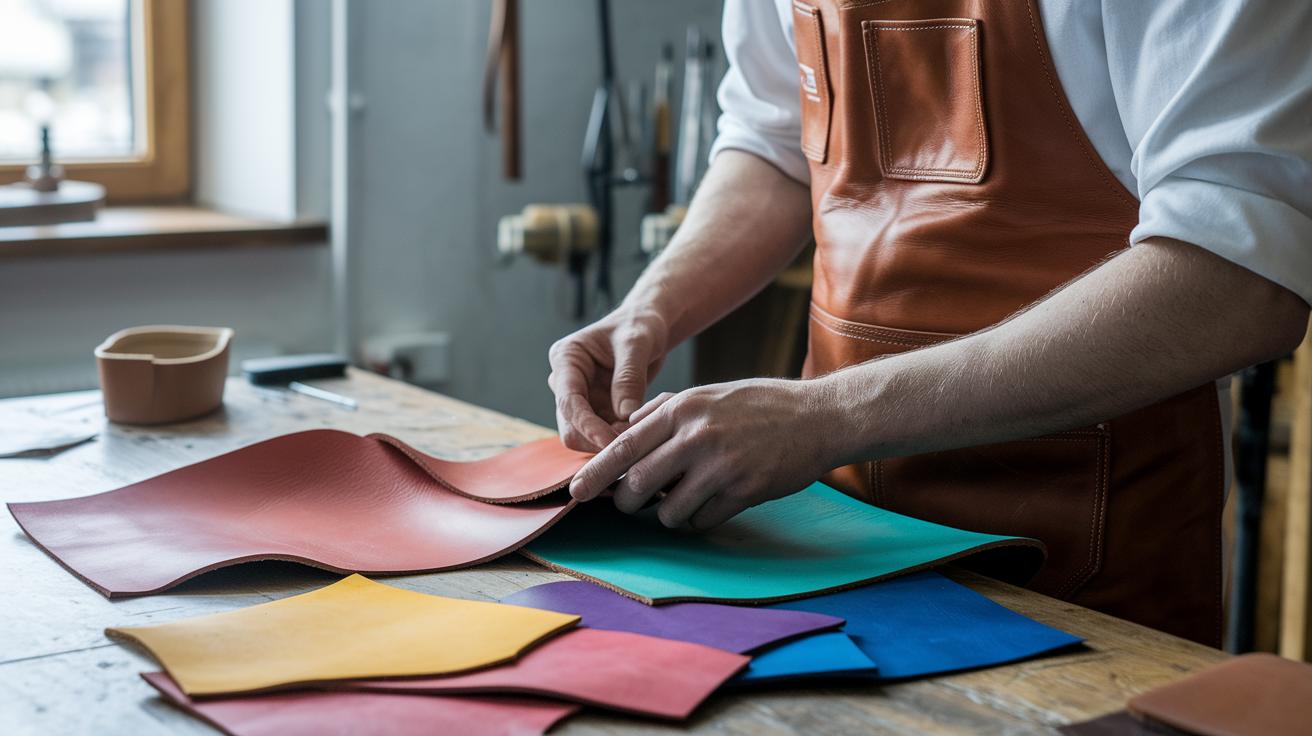
Today, custom-made shoes are getting a fresh twist that mixes old-school craftsmanship with eco-friendly ideas. Imagine leather carefully chosen for its quality and treated with vegetable tanning (a natural way to keep it soft and long-lasting), all while using zero-waste pattern cutting to help our planet. Designers are now playing with bright colors and mixing different materials, so every shoe really tells its own story. One artisan even said it feels like drawing on a lively canvas, where every little detail adds a unique character.
On the tech side, smart innovations are changing the game for bespoke shoemaking. Virtual fitting tools, at-home services, and a promise of perfect fit and quality mean you can get your dream shoes without leaving your home. Digital platforms help you connect with skilled makers from around the world in just a few clicks. Sometimes, all it takes is a quick scan, like snapping a picture, to capture your exact fit. This blend of technology and traditional craft keeps these custom shoes a special luxury for today’s global market.
Signature Bespoke Shoes Collections and Artisans
At bespoke ateliers, signature collections are the shining stars. You’ll find a mix of styles, from dress boots and horseriding-inspired models to seasonal selections that suit any vibe. It’s like having the perfect pair of shoes for a fancy event, a laid-back hangout, or even an action-packed day out. Designers blend classic hand-lasting (that's the traditional technique of shaping shoes by hand) with modern touches, so every pair feels both stylish and practical. Every detail matters, whether it’s the unique stitching or the smooth feel of polished leather.
Skilled artisans bring each design to life using custom templates that capture your unique style and exact measurements. They even fine-tune the arch support (the inner curve that gives your feet a comfy cushion) and perfect each leather finish, ensuring your shoes feel personal and built to last. Mixing time-honored techniques with fresh, innovative ideas, they transform raw materials into wearable art that celebrates your individuality while honoring a legacy of careful craftsmanship.
Final Words
In the action, we’ve walked through the rich timeline and craftsmanship that shapes the world of bespoke shoes. We touched on their ancient origins, highlighted periods of innovation like the Goodyear welt introduction, and saw how sustainable practices now add a modern twist.
Each phase, from custom orders for aristocrats to today’s eco-friendly designs, tells a unique story. The history of bespoke shoes reminds us that every great pair holds a mix of art, passion, and enduring quality, a celebration of personal style and comfort.
FAQ
What is the history of bespoke shoes?
The history of bespoke shoes traces back to the 16th century when noble clients commissioned custom footwear. This tradition evolved over centuries into a symbol of personalized style and fine craftsmanship.
Who invented shoes and what is the history of shoemaking?
The invention of shoes isn’t credited to one person. Early cobblers and cordwainers crafted footwear from available materials, laying the groundwork for the refined, custom-tailored methods used today.
How were shoes made, especially in the 1800s?
The process in the 1800s relied on handcrafted techniques such as hand-lasting and Goodyear welt stitching. Artisans measured, cut, and assembled each pair with care, enhancing durability and fit.
What defines a shoemaker?
A shoemaker is a skilled craftsman who creates and repairs shoes using traditional handcrafting techniques. Their work ensures each pair is built with precision, comfort, and longevity in mind.
What do bespoke shoes mean?
Bespoke shoes mean custom-made footwear built from scratch to match an individual’s unique measurements and style. They require multiple fittings to ensure a perfect, personalized fit.
Why are bespoke shoes so expensive?
Bespoke shoes carry a higher price because they use premium materials and involve extensive artisan labor. The detailed, personalized crafting process and multiple adjustments guarantee superior quality and longevity.
What is the meaning of bespoke leather?
Bespoke leather refers to carefully chosen, high-quality leather used specifically in custom footwear. Its selection emphasizes durability, a refined texture, and the ability to develop a distinct character over time.
What is the difference between made-to-measure and bespoke shoes?
Made-to-measure shoes adapt standard designs to individual measurements, while bespoke shoes are entirely handcrafted from scratch. The bespoke process offers a completely unique construction tailored to each individual.