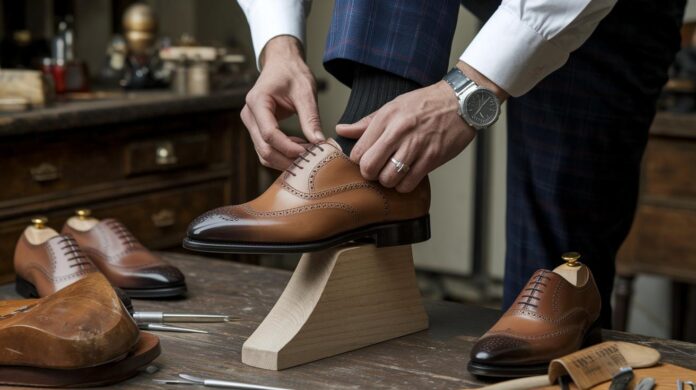

Ever notice how some shoes feel like a second skin? Even a tiny misfit can make every step feel off.
That's why getting the measurements right from your heel to your instep (that soft inner curve of your foot) is so important. In our guide, we show you how a perfect fit turns custom shoes into true comfort buddies.
We break it down into simple steps so your shoes not only support your foot but feel like they were made just for you. Ready to see how the right measurements can change the way you step through life?
Precision Foot Measurement in a Fitting Guide for Bespoke Shoes
Finding the perfect shoe fit isn’t just about knowing your foot’s length and width. The top part of your foot, called the instep (the smooth, curved part at the top), really makes a difference in comfort. If any dimension is off, you might feel your heel slipping or a pinch right where the laces meet. When the laces sit almost parallel, your heel nestles perfectly in the shoe, keeping things in place as you walk.
To get the right measurements, start with a Brannock device (a tool that measures your feet) or a simple, flexible tape measure. First, measure from your heel to the tip of your longest toe. Next, check the width at the widest part, usually across the ball of your foot. For the instep, wrap the tape around the highest curve at the top. It really helps to have a friend give you a hand so the tape stays flat and steady. These steps make sure every part of your foot is measured, which is key for a comfy and reliable fit.
After you have your numbers, use a size conversion chart to turn those measurements into the bespoke shoe sizes you need. This chart acts as a bridge between the numbers you get from the Brannock device or tape measure and the sizes found in the finished shoes. For example, you can check out the "dress shoe sizing guide" (https://shubrand.com?p=324) when comparing your measurements to the usual dress sizes. This careful process ensures that your custom shoes are crafted with precision and care, so they fit just right.
Foot Anatomy and Profile Analysis in a Bespoke Shoe Fitting Guide
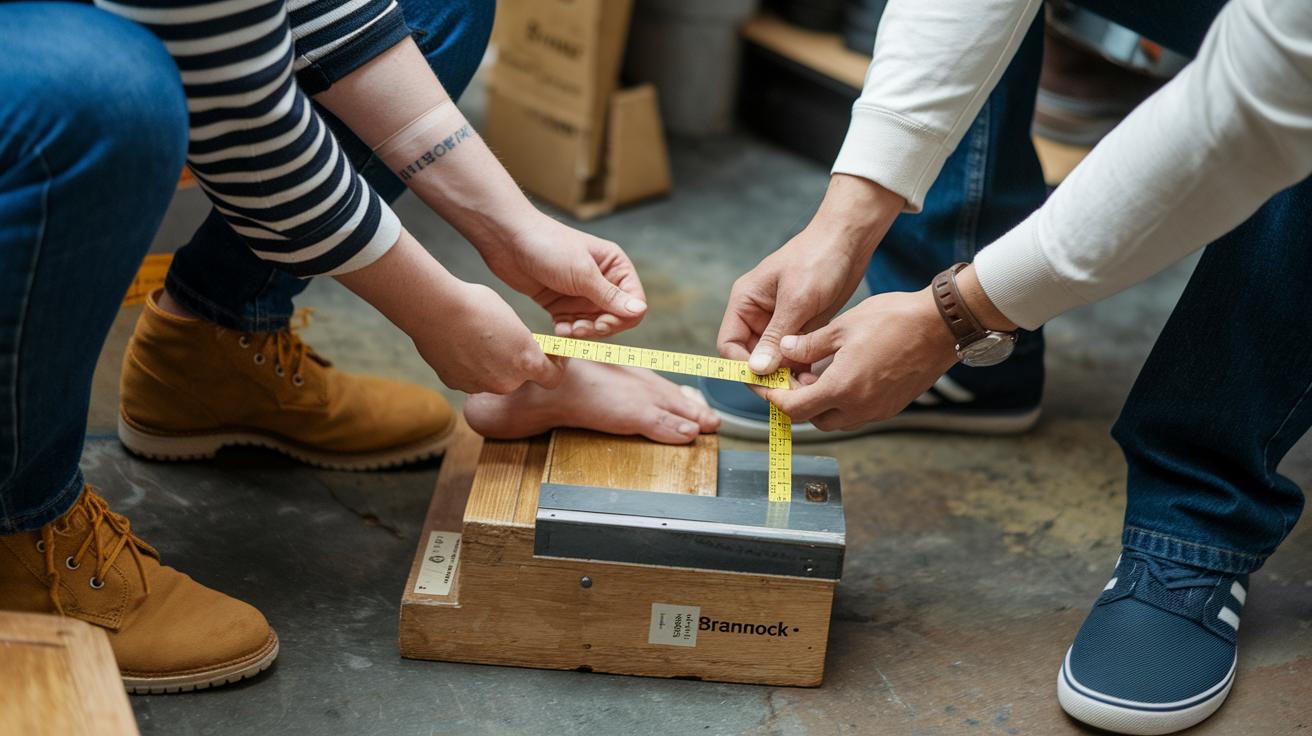
Ever notice how each foot feels unique? Knowing your foot’s details helps us craft shoes that fit like they were made just for you. Your instep, arch, and toes decide how your shoe hugs your foot, making sure there's the perfect balance of support and room to move.
Instep Measurement
To measure your instep, grab a soft tape and find the highest spot along the top of your foot. Think of it like checking the peak of a gentle hill, this tells us how deeply your shoe should nestle around your foot for a snug, comfortable feel.
Arch Assessment
Stand on a piece of paper and trace your footprint. When you see the curve, it reveals if your arch is high, neutral, or flat. This simple trick helps us shape the inner structure of your shoe so you get support exactly where you need it.
Toe Shape Identification
Place your foot on paper and draw around your toes. Whether your toes are square, round, or pointed, this outline shows us just how much space to give the front of your shoe. It’s a neat way to ensure your shoes feel open and comfortable, letting you move with ease.
Essential Tools and Materials for Accurate Bespoke Shoe Measurements
Your go-to starter kit for perfect shoe fitting includes a Brannock device and a flexible measuring tape. The Brannock tool gives you exact measurements for your foot’s length and width, which is key for a great fit. And that flexible tape? It easily wraps around your instep and foot, capturing every curve for a truly custom measurement.
Next up is the three-dimensional last, a model that mirrors your foot’s shape. This little helper takes in every curve and contour, setting the stage for a shoe design that fits like a glove.
Finally, when you’re mapping out your design and creating a prototype, everyday items make a big difference. A bit of masking tape can form a flat pattern from your foot model, while paper and pencil let you sketch out your ideas. And don’t forget Texon, a sturdy, budget-friendly material perfect for that initial trial run.
Trial Shoe Process in the Bespoke Shoe Fitting Guide
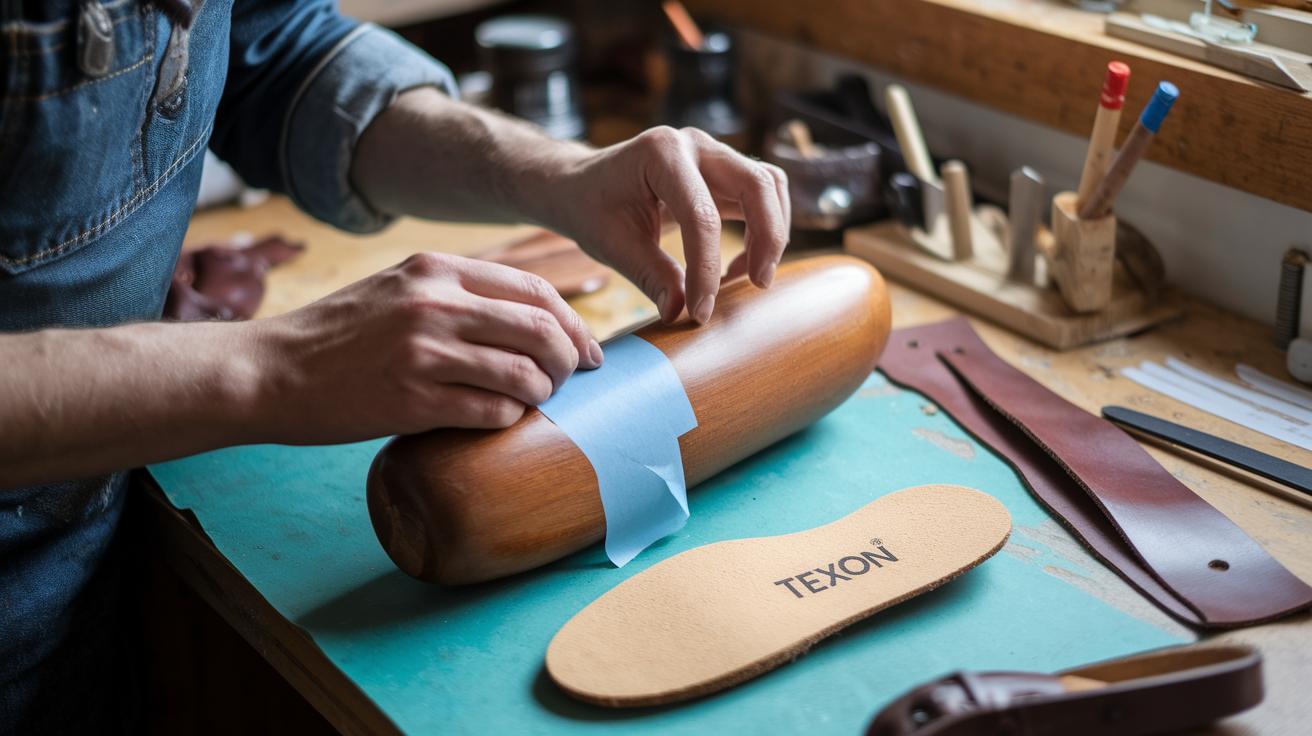
Getting your tailor-made shoes to fit perfectly starts with a friendly step-by-step process. First off, we compare a three-dimensional model of your foot (called a last, which is just a fancy way to say “a mold of your foot”) to your original foot data. At this point, you'll notice that the leather softens naturally at the edges, making the fit feel a bit more welcoming as you break them in. This check is super important so we can nail every curve just right.
Next, we create a flat pattern by sticking on several layers of masking tape to the last. This clever trick turns all the 3D details into a simple, two-dimensional design you can work with. With the pattern ready, we cut neutral leather along the lines. We choose neutral leather because it’s easier to adjust during the trial stage, letting us fix any little issues without messing up the final look.
After the pattern comes together, we stitch the leather pieces on a special post-center sewing machine to form the upper part of the trial shoe. Then we add a Texon insole (Texon is a durable material used for comfort) and put everything back on the last for the first try. When you wear this trial shoe, any spots that feel too tight or too loose get marked, and these markings help us decide what needs tweaking. We might adjust the heel, raise a joint, or widen the toe box. We keep refining the design until every walk feels just right.
| Step | Description | Materials Used |
|---|---|---|
| 1: Last Verification | Compare the last’s shape with your foot. | Original last, tape |
| 2: Pattern Creation | Lay down layers of masking tape to form a flat pattern. | Masking tape, paper |
| 3: Cutting & Sewing | Cut neutral leather and stitch the upper pieces together. | Neutral leather, sewing machine |
| 4: Initial Trial Assembly | Add a Texon insole and mount the shoe on the last for the first try. | Texon, adhesives |
| 5: Iterative Adjustments | Mark any fit issues and adjust for subsequent trials. | Marked trial shoes |
Every time you try on a new version, we're one step closer to the perfect fit, making your bespoke shoes feel like they were made just for you.
Common Fitting Issues and Troubleshooting in Bespoke Shoe Guides
When you're trying on your new shoes, keep an eye out for any spots that feel a bit loose. Sometimes a tight toe area or a slack instep lets your heel slip out, messing with the natural feel of the shoe. Take a stroll on a flat surface and notice if your foot seems to wander around in any way. Jot down any areas that lack support, think of it as your personal blueprint for improving that custom fit.
If things feel too snug, it might be because your high instep isn’t getting enough room in the shoe. This extra squeeze can make your laces feel overly tight and form little pressure points that are pretty distracting. Try loosening your laces just a bit and test it out again to see if that eases the discomfort. This step-by-step check helps you spot exactly where small adjustments can really lessen the pressure.
Finally, give some thought to how your instep and heel are settling into the shoe. A narrow heel area may not hold your foot as securely as you’d like, leading to more movement than expected. Make sure your laces are tied evenly so your heel stays locked in place. It’s a simple trick that’s like your go-to guide for achieving that perfect, custom fit every time.
When to Seek Professional Help in a Bespoke Shoe Fitting Guide
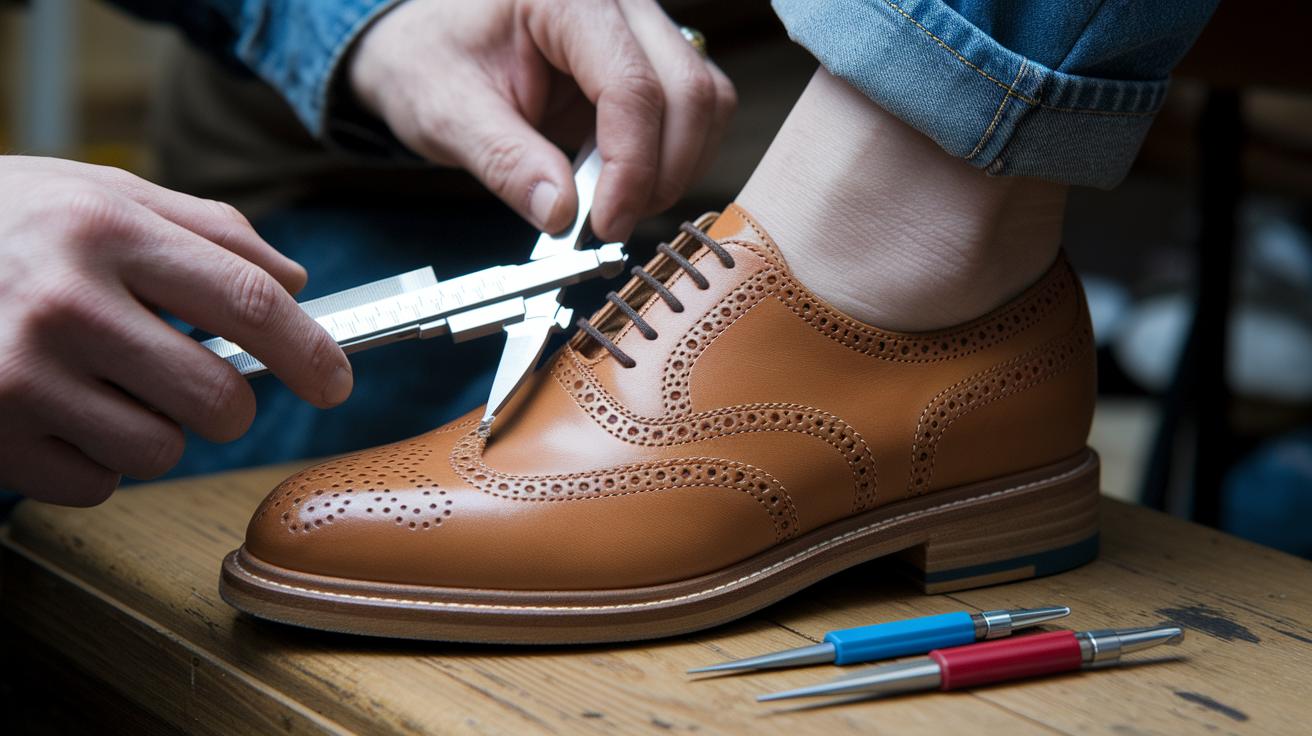
If your foot has a high arch or a shape that’s a bit different, you might really need some expert advice. A skilled shoemaker can check every little curve and bump on your foot, making sure the support is just right. This hands-on look is super helpful when regular measurements don’t quite add up.
In-person sessions are great because you get immediate fixes. A pro can adjust your shoe on the spot by checking each part and using special tools to fine-tune the fit. It takes all the guessing out of it, so your shoe feels as natural as it should.
If you’re not nearby, remote fittings work too. You can have virtual guidance where experts review your digital measurements and walk you through simple self-checks. Plus, with trial shoes sent by mail, you still get that personal touch, ensuring your shoes are comfy no matter where you are.
Final Words
In the action, we zoomed in on precise foot measurement and personalized profile analysis. We walked through each step using clear methods and handy tools, from measuring your instep with a flexible tape to checking your unique arch and toe shape. The guide broke down the trial process, helping you overcome common issues and know when to reach out for expert insight. This fitting guide for bespoke shoes shows how smart techniques can boost comfort and style, making every step feel just right. Enjoy stepping out in confidence!
FAQ
What details do bespoke shoe fitting guides in PDFs or Reddit posts provide?
The bespoke shoe fitting guides offer clear steps to measure your foot’s length, width, and instep while sharing real-life tips from users to help achieve that perfect custom fit.
What does a men’s fitting guide for bespoke shoes include?
The men’s fitting guide explains measuring key foot dimensions like length and instep using everyday tools, along with practical advice to ensure the custom shoes hold your foot securely and comfortably.
How do you measure feet for bespoke shoes?
The method to measure feet for bespoke shoes involves recording your foot’s length, width, and instep using tools such as a Brannock device or flexible tape, ensuring your custom shoes fit just right.
Is it better for shoes to be slightly tight or loose?
The proper fit means your shoes should feel snug enough to hold your foot without excess movement while avoiding tightness, allowing you to walk comfortably and safely throughout the day.
Are bespoke shoes comfortable?
The bespoke shoes are designed for a custom fit that caters to your unique foot shape, resulting in a level of comfort that ordinary shoes often cannot match due to their personalized construction.
Is it better to go a size up or down in shoes?
The choice isn’t about up or down but about relying on your exact measurements; custom sizing uses your precise foot data to deliver a fit that’s neither too loose nor too tight.