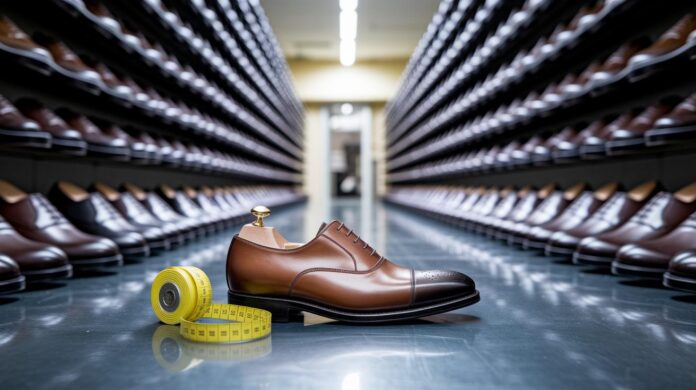

Ever wonder how one tiny mis-measure can mess up your whole look? The perfect dress shoe does more than just make you look sharp, it boosts your confidence all day. Lots of folks think shoe sizing is just guesswork, but getting measured right really makes a difference. In this guide, we share simple steps and handy conversion tips so your shoes always feel just right. Trust me, these little tricks can totally change your comfort and style.
Accurate Measuring Steps for Dress Shoe Sizing
Getting the perfect fit starts with measuring your feet just right. Even a tiny difference can change how comfortable your shoes feel all day, so it’s worth taking your time.
-
Grab your measuring tool.
Use a Brannock device (that’s the classic tool costing around $60-65) or print out a simple shoe sizer at home. Either way, you’re setting up for success. -
Measure later in the day.
Since your feet tend to swell a bit as the day goes on, it’s best to check them after 5 PM, especially when you’re wearing your usual dress socks. -
Wear your dress socks.
This step is key, socks can add a little extra bulk or change the way your shoe feels, so measure with the socks you plan to wear. -
Check the length and width.
Place your foot on the device and measure from your heel to your longest toe. It’s like marking the perfect spot for your favorite sneakers, every little detail matters. -
Write it all down.
Record your foot measurements in both centimeters and inches. Also, note your foot’s width (it might be labeled as A, B, D, or E/EE) so you can compare it with the shoe size charts. -
Measure both feet.
Most of us have one foot that’s just a teensy bit bigger than the other. Always go with the larger measurement for the best, most comfortable fit.
Remember, leather dress shoes tend to stretch a little, about 0.2 to 0.5 sizes, once they’ve been broken in. A snug midfoot with a little room for your toes is just what you need to keep you comfortable all day long.
Dress Shoe Size Conversion Charts Explained

When shopping for dress shoes online or from international brands, conversion charts can be a real lifesaver. They help you switch between US, UK, and EU sizes so you know exactly what to expect. Even small differences matter, a US size gets about a 0.33 inch (8.5 mm) bigger each step. Knowing your conversion means your shoes will feel just right.
This neat chart shows your typical US size along with its UK and EU matches, plus an approximate centimeter measurement for an extra check.
| US Size | UK Size | EU Size | CM Length |
|---|---|---|---|
| 6 | 5 | 39 | 23.5 |
| 7 | 6 | 40 | 24.5 |
| 8 | 7 | 41 | 25.5 |
| 9 | 8 | 42.5 | 26.5 |
| 10 | 9 | 43.5 | 27.5 |
| 11 | 10 | 44.5 | 28.5 |
| 12 | 11 | 45.5 | 29.5 |
| 13 | 12 | 46.5 | 30.5 |
| 14 | 13 | 47.5 | 31.5 |
| 15 | 14 | 48.5 | 32.5 |
Remember, these numbers are just a starting point. Since different brands and shoe designs can vary, it's a smart idea to double-check the specific size chart for the shoes you have your eye on before you order.
Determining Dress Shoe Width: Foot Width Measurement Guide
Getting your dress shoes to feel just right is as important as matching the length. A shoe that feels too tight might pinch the ball of your foot, while one that's too loose can let your heel slip around and leave your midfoot without enough support (the midfoot is the middle area of your foot that helps give stability).
Let’s break down what the width codes mean:
- A: This means a narrow fit, great for slim feet that need a snug feel.
- B: The go-to standard for women, a balanced fit that’s pretty common.
- D: This is the typical standard for men, offering a comfortable width without extra slack.
- E/EE: These codes are for a wider fit, ideal if you like having extra space around your forefoot.
Keep in mind that sizes can vary a bit between brands. If your usual width doesn't fit perfectly, try a narrow or wide option next time. That little tweak could really boost your comfort and support.
Men’s Dress Shoe Sizing Nuances
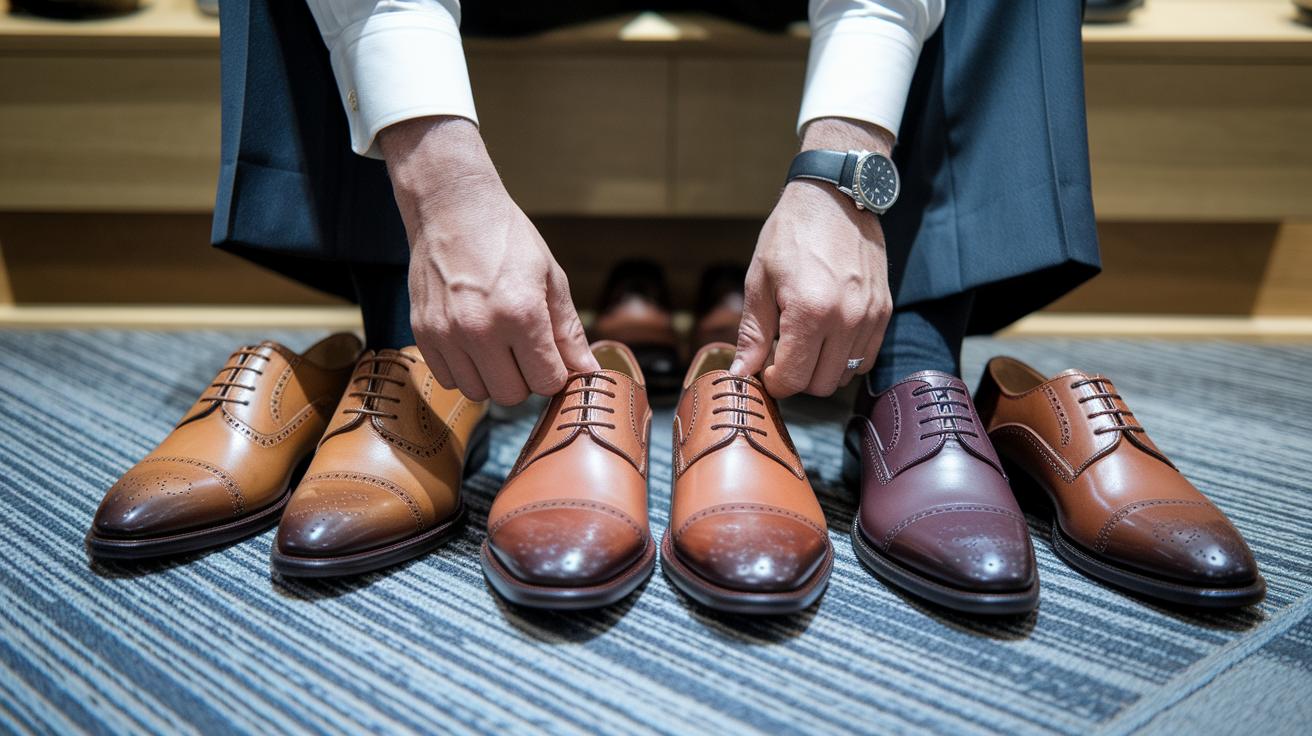
Men’s feet come in all sorts of shapes, so the way we craft the shoe’s mold (called the last) is super important. A good last holds the top part of the shoe snugly around your foot without making you pull the laces too tight. Think of it like the blueprint that shows how the leather wraps around your foot. A slight V shape between the laces means the shoe is naturally fitting, while a big V might be a sign that the shoe is a bit too small.
Typically, you’ll see standard widths marked as D. But if you need extra room in the front, opt for an E or EE size, and if you prefer a closer fit, the B width might be just right. This careful design keeps your foot secure and comfortable while making sure the overall shape of the shoe fits well.
Keep in mind that leather will stretch a little with time, usually around 0.2 to 0.5 sizes, as it softens with wear. Need more tips on getting the perfect break-in? Check out how to break in leather dress shoes at our guide.
dress shoe sizing guide: Perfect Fit Every Time
Women’s feet are all different, and knowing what makes yours unique can really boost your comfort. Many women find that their feet need slight tweaks compared to typical men's styles. It’s pretty common for one foot to be just a tad smaller or to have a special arch shape. That’s why it's smart to measure your feet later in the day when they’re a bit fuller, and to wear the actual socks or hosiery you plan to use, so you get the true feel.
When it comes to width, most women’s shoes stick with the B standard. This is different from the D standard you usually see in men's shoes. If you have narrower feet, an A width might be perfect, giving you that snug comfort. But if you like a bit more room, especially around the toes, a C width might work better. Matching these width codes helps ensure your shoes feel just right without squeezing your feet.
Also, don’t forget about the shape of the shoe itself. Things like the height of the pump's instep and the style of the heel can totally change how a dress shoe fits. For instance, a higher instep might need extra coverage on the vamp (that front part of the shoe) to stay secure, and the heel design can really affect how the shoe feels when you're on the move. It's all about finding that balance for the perfect, comfy fit.
Dress Shoe Fit Tests and Common Sizing Issues
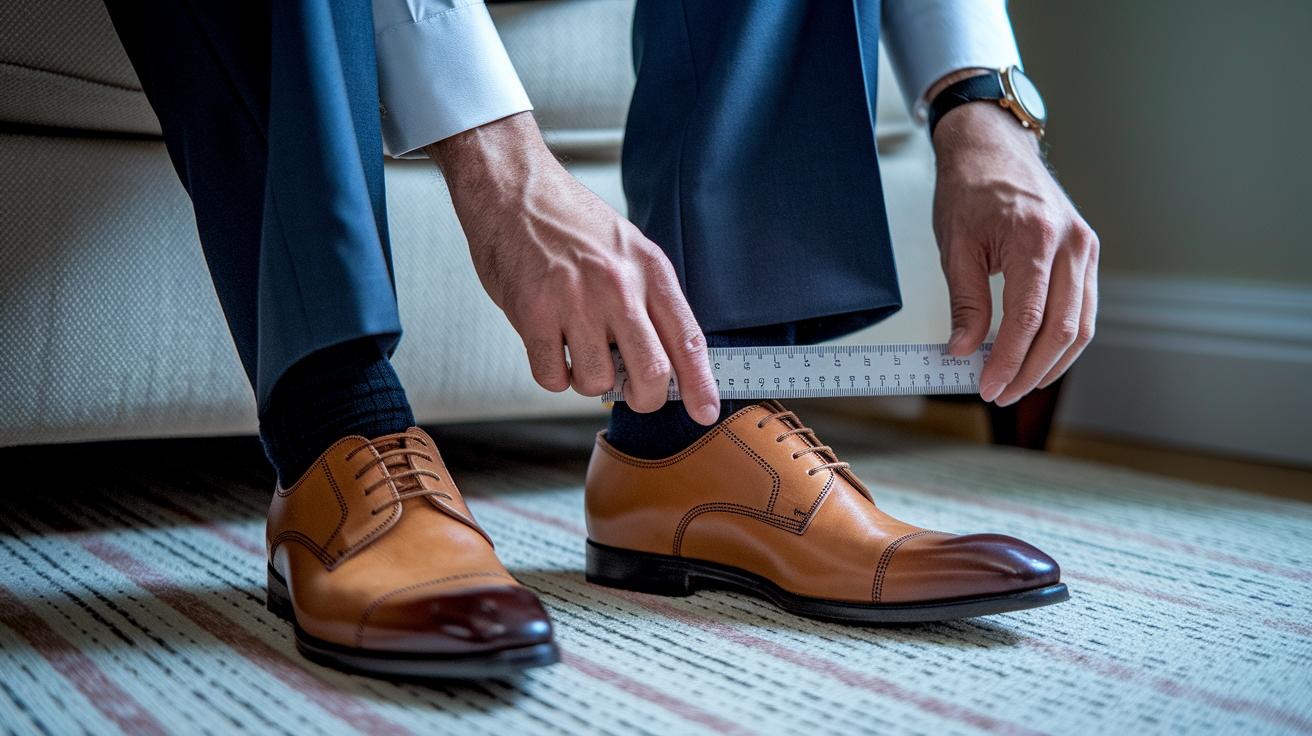
When measuring your shoes on paper, you only catch part of the big picture. Sure, your shoes might look right on paper, but the real story is how they feel on your feet all day long. Trying them on in practical ways can catch the little issues that numbers sometimes miss and keep you comfy from morning until night.
- Toe Fit Test: There should be about 0.25 inch (6 mm) of free space in front of your longest toe. This small gap lets your toes wiggle without hitting the front, keeping your walk smooth.
- Forefoot Assessment: Run your fingers along the front side of the shoe. If you feel the material hugging your foot too tight, it might be a sign that the width is too snug, and a wider style could be a better choice.
- Heel Slippage Check: A tiny bit of heel movement, up to 0.25 inch, is normal because of that firm outsole inside. If your heel slips more than that, it might mean the shoe is not gripping right, which could lead to blisters.
- Vacuum Sound on Removal: When you take off your shoes, listen for a soft, vacuum-like sound. Hearing that means the shoe has a good midfoot grip, which is important for a secure, snug fit.
Remember, when you're breaking in leather shoes, they naturally soften over time. At first, your midfoot should feel snug without any pinching, and if you're feeling too much discomfort, it might be time to look at a different size.
Expert Tips for Consistent Dress Shoe Fit Across Brands
Ever notice how a pair of dress shoes can feel completely different from one brand to another? Each maker uses its own design, so a size that works in one might feel off in another. Keeping this in mind can really help you avoid surprises when you switch labels.
- Keep a little notebook for each brand where you jot down your foot length and width. This trick makes shopping online or trying new styles much easier.
- Always check the size chart for each label, don't assume a size is the same everywhere.
- Try on shoes later in the day with the socks you usually wear. Our feet tend to swell a bit as the day goes on, so this gives you a more realistic fit.
- Remember that leather often needs some time to break in. It might feel snug at first, but give it a little time, and you'll notice it stretches out.
- And if the fit isn’t perfect, take advantage of the friendly return policies offered by many brands. It makes exchanges a breeze.
For more tips, check out our guide on choosing dress shoes for a formal event – https://shubrand.com?p=
Final Words
In the action, we walked you through step-by-step measuring tips and conversion insights to grab the perfect fit. We covered everything from proper measuring techniques and the toe fit test to handling break-in adjustments and brand differences.
This article gave clear advice for both men and women, ensuring your style and comfort shine through. Keep our dress shoe sizing guide handy as you choose your next pair, and step out feeling confident and ready for more good days.
FAQ
What is a men’s dress shoe sizing guide?
A men’s dress shoe sizing guide explains how to measure your foot’s length and width using tools like the Brannock device, ensuring your formal shoes offer both comfort and precision in fit.
How do men’s dress shoe size charts work for cm and inches?
Men’s shoe size charts use both centimeters and inches to help match your foot measurements with the correct size. These charts, including Allen Edmonds ranges, make fit selection clear across styles.
How does dress shoe sizing compare to sneakers?
Dress shoe sizing differs from sneakers by offering a more fitted, structured design that accounts for midfoot support and leather stretch, whereas sneakers tend to provide a roomier, athletic fit.
How should dress shoes fit based on online discussions?
Dress shoes should grip the midfoot securely without pinching toes. They need a snug fit—enough for support, but not overly tight, ensuring all-day comfort as many users recommend online.
Should you size up or down in dress shoes?
Generally, dress shoes should be chosen based on your exact foot measurement. Their initial snug fit allows for natural leather break-in, so avoid sizing up or down unless you experience discomfort.
How do I know my dress shoe size?
Your dress shoe size comes from measuring your foot length and width—ideally later in the day with your dress socks on—and then comparing the larger measurement against a reliable size chart.
Is a US size 8 equivalent to a 38 or 39?
A US size 8 usually converts to a European size closer to 41 for men’s dress shoes. Check each brand’s conversion chart, as sizes can vary slightly between manufacturers.
Do dress shoes run smaller than sneakers, and is a tight or loose fit better?
Dress shoes often feel smaller than sneakers due to their structured design. They should fit snugly enough to support the foot without being too tight, striking the right balance for comfort.