

Ever notice how two pairs of shoes that seem alike can totally change your vibe? Oxfords give you a crisp, snug feel that’s perfect when you’re dressing up, almost like they’re saying, "Let’s make a statement." Meanwhile, Derbys offer extra room for those casual, everyday adventures where comfort is key. In this post, we'll walk through what makes each style special so you can grab the pair that fits both your mood and the occasion. It's amazing how little design details can really boost your look.
Key Differences in Oxford vs Derby Dress Shoes
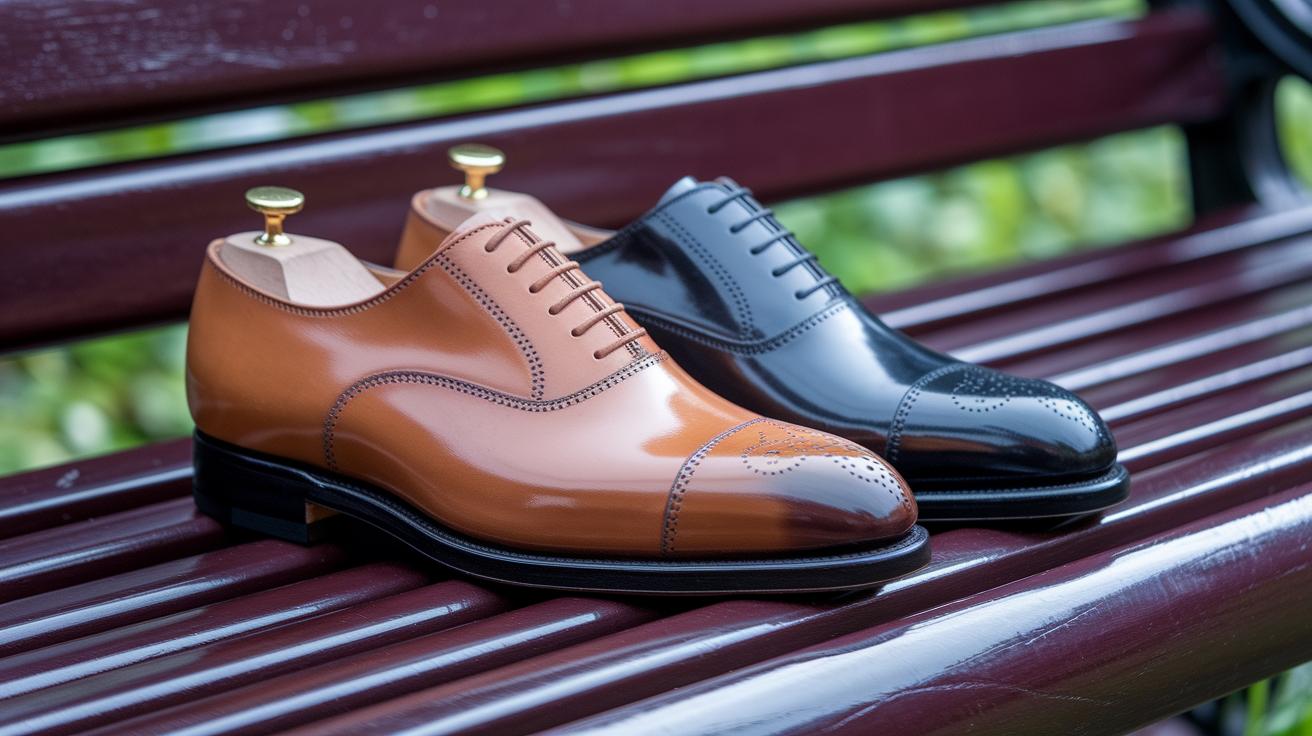
Oxford shoes have a closed-lacing design, which means the eyelets are sewn underneath the front part of the shoe. This creates a sleek, snug look that is perfect for formal events like board meetings, weddings, or those fancy black-tie evenings. On the flip side, Derby shoes feature an open-lacing style with the eyelets on top of the shoe. This design gives you a bit more room, making them great for smart-casual outings or everyday wear. Think of Oxfords as the go-to for a smart, structured vibe, while Derbys mix a touch of polish with all-day comfort.
When we talk about fit and style, these shoes really stand apart. Oxfords are crafted to hug your foot just right, offering a neat and refined appearance that works well in very formal settings. Every part of the shoe, from the lacing right down to the curves, is designed to give you a crisp finish. Meanwhile, Derby shoes offer extra space, letting your feet relax without losing their stylish edge. Their open-lacing system makes them a versatile choice that pairs well with both dressed-up and casual looks.
| Lacing Design | Silhouette & Fit | Style | Versatility & Comfort |
|---|---|---|---|
| Closed-lacing (Oxfords) | Sleek and snug | Very formal | Polished, structured look |
| Open-lacing (Derbys) | Roomier and relaxed | Smart-casual | Everyday comfort with style |
Understanding these differences is key. Whether you’re after that clean, refined look of an Oxford or prefer the cozy, flexible fit of a Derby, choosing the right pair means you can step out with both confidence and style.
Anatomy and Construction of Oxford Dress Shoes

Oxford shoes use a closed-lacing design where the front part (the vamp) neatly covers the back sections. This design keeps the look smooth and tidy. The holes for the laces are stitched under the vamp, which helps keep the top clean and unbroken. Hidden stitches and very few seams add a sharp, formal vibe. Fun fact: the secret behind their classic charm is that careful, hidden stitching that makes the line look so flawless.
Made from high-quality black calf leather, these shoes have a slick and polished feel. The top-grade materials and accurate finishing give them a sturdy, formal touch. They also feature a leather sole with a slim welt and soft stitching details, which show off the thoughtfulness that goes into each pair. It’s all about mixing quality leather with expert assembly to create a standout look in any formal setting.
Design Features of Derby Dress Shoes
Derby shoes feature an open-lace design where the sides of the shoe sit over the front, giving them a roomier feel that adapts to different feet. This means they’re comfortable for everyday wear without losing their sharp look. Imagine slipping into a pair and feeling that extra space letting your toes wiggle freely after a long day, it’s like a little vacation for your feet.
They’re made from quality materials like grain leather or suede, which bring different textures to your style. Plus, with techniques like Goodyear-welt (a method that stitches the sole to ensure lasting durability) or stitch-down soles, you get a shoe that's both strong and relaxed. It’s like having a polished yet casual vibe that works great whether you're heading to a relaxed office or enjoying a laid-back weekend.
Oxford vs Derby Comparison Table of Construction and Style

If you've ever wondered what sets Oxfords apart from Derbys, this table breaks it down in a friendly, easy-to-understand way. It looks at details like carefully treated leather and modern sole-making methods to show you the unique aspects of each style.
| Feature | Oxford | Derby |
|---|---|---|
| Lacing System | Lacing goes underneath the vamp for a neat, tidy look | Lacing sits on top of the vamp, giving a more open feel |
| Silhouette | A slim, flush profile that fits close to the foot | A roomier, relaxed outline that feels comfortable |
| Fit | Fits snugly across the instep | Offers an adjustable and spacious feel |
| Formality | Ideal for very formal occasions | Works well for smart casual to formal settings |
| Leather Types | Features premium calf leather with a slick, patent finish | Uses selected grain leather or soft, textured suede |
| Sole | Hand-stitched leather sole with a slim, precise welt | Composite sole construction with an optional rubber insert |
This clear breakdown shows the little details that make each style special and helps you choose the pair that fits your personal taste best.
When to Wear Oxford and Derby Dress Shoes: Style and Occasion Guide
For formal events, go with Oxfords. They’re perfect with dark suits or tuxedos for board meetings, weddings, or even those fancy black-tie nights. The neat design of an Oxford matches a crisp dress shirt and tailored suit, giving you that polished, confident feel. Ever notice how a great pair of shoes can make you feel unstoppable?
For smart-casual days, Derbys are your best bet. Whether you're on a casual Friday at work, meeting up with friends for dinner, or at a relaxed business session, something about the open-lacing of a Derby adds a cool, laid-back vibe. Picture yourself in chocolate brown or suede Derbys paired with chinos or a sport coat that blends smart and casual, the roomy design keeps you comfy all day without losing style.
Color and material choices really pull your look together. Brown grain Oxfords look great with navy or gray suits, balancing formal flair with a chill touch. Meanwhile, Derbys in richer colors or soft suede let you mix and match with different hues and textures in your wardrobe. In the end, knowing when to rock each style means you can nail any occasion with ease.
Historical Evolution of Oxford and Derby Dress Shoes
The Oxford first started out as a smart update to the heavy university boots of the early 1800s. They were tweaked for more flexibility and a cleaner look, perfect for life on campus. Students loved that these shoes mixed a formal look with a cozy feel, making them a timeless choice.
Derby shoes have their own cool backstory. They debuted around 1862 as solid hunting boots built for lasting wear and easy comfort. Over time, they made the jump from outdoor adventures into everyday style, adding a bit of rugged charm to any outfit.
Today, both styles get modern makeovers. Designers experiment with eye-catching colors and upgraded sole tech (that's the cushioning, or the soft inside that makes every step extra comfy) while giving a nod to their classic past. It’s all about blending historical style with a fresh twist that keeps these shoes as captivating as ever.
Final Words
In the action, we explored the unique traits of both Oxford and Derby shoes, highlighting how each design fits different occasions. We broke down the look, construction, and overall feel, making it easier to see what suits every style moment.
Every detail, from the snug Oxford to the relaxed Derby, tells its own story. This guide makes clear the difference between oxford and derby dress shoes for anyone eyeing the perfect match.
Enjoy stepping out with confidence!
FAQ
What is the difference between Oxford and Derby dress shoes?
The difference between Oxford and Derby dress shoes is that Oxfords use a closed-lacing system for a sleek fit, while Derbys feature an open-lacing design that offers extra room and a more relaxed look.
What defines an Oxford shoe?
The Oxford shoe is defined by its closed-lacing style with eyelets sewn under the vamp, resulting in a clean, tight fit that works best in very formal settings.
What defines a Derby shoe?
The Derby shoe is recognized by its open-lacing design where the panels are sewn on top of the vamp, giving a roomier fit that makes them suitable for smart-casual and relaxed occasions.
When should you wear Derby shoes versus Oxford shoes?
Oxford shoes suit highly formal events like weddings and board meetings, while Derby shoes fit well for smart-casual gatherings and less formal business settings.
How do brogue shoes fit into the mix of dress shoe styles?
Brogue shoes feature decorative perforations and can be built using either Oxford or Derby designs, adding a stylish twist that complements both formal and casual looks.
Can Derby shoes be worn in formal situations?
Derby shoes can be worn in formal settings, though their roomier fit and relaxed design make them ideal for both smart-casual wear and less structured business events.