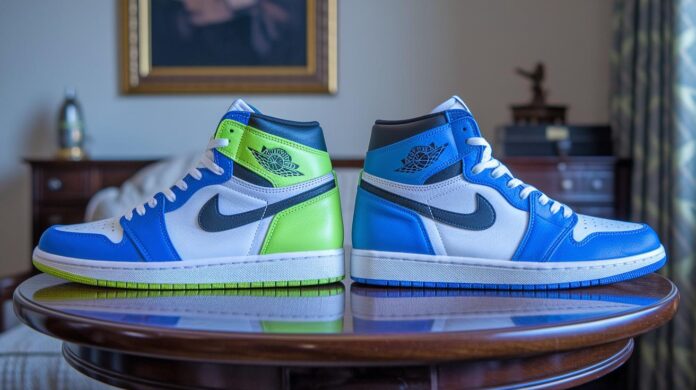

Have you ever noticed how some sneakers feel as refreshing as a cool breeze, while others give you a warm, comforting hug? Low tops feel light and easy on your feet, almost like they let you glide around effortlessly for quick moves. High tops, however, wrap around your ankles, giving you that extra cushion and support you sometimes need.
Today, we're chatting about what makes these two styles different. Imagine deciding between a lively gust of wind and a cozy, snug embrace for your feet. Let's explore together which style might be the perfect match for your everyday vibe.
Key Contrasts of Low Top vs High Top Sneakers
When it comes to choosing sneakers, every detail counts for both everyday comfort and performance. Low-tops and high-tops each have their own vibe, and knowing the differences can help you pick the perfect pair for your day. For example, did you know that low-tops are a hit with runners because their minimal design promotes a quick, agile feel? Meanwhile, high-tops wrap your ankles in extra support, making them great for more intense activities.
Low-tops are all about lightness and freedom. Their snug, low-cut design lets your ankles move naturally, which is ideal for running, gym workouts, or even a relaxed day out. They feel breezy, reducing fatigue during long days, and their simple style means they go well with almost any outfit, casual or smart. It’s like having a pair of shoes that’s both practical and cool at the same time.
High-tops, in contrast, rise above your ankle with extra padding that gives your feet a secure, comfortable fit. Think of that padded collar as a soft hug that keeps your foot steady during quick turns or intense movements. They’re built with reinforced materials and cushioning (that soft inside which makes every step feel comfy), so you not only get support but also a bold, stylish look. Perfect for those days when you need that extra boost of ankle stability without sacrificing flair.
Ever notice how the right pair of shoes can change your whole vibe? Whether you lean toward the light, versatile feel of low-tops or the extra secure, standout look of high-tops, there's a perfect match waiting for you.
Design, Structure, and Material Contrasts in Low Top vs High Top Sneakers
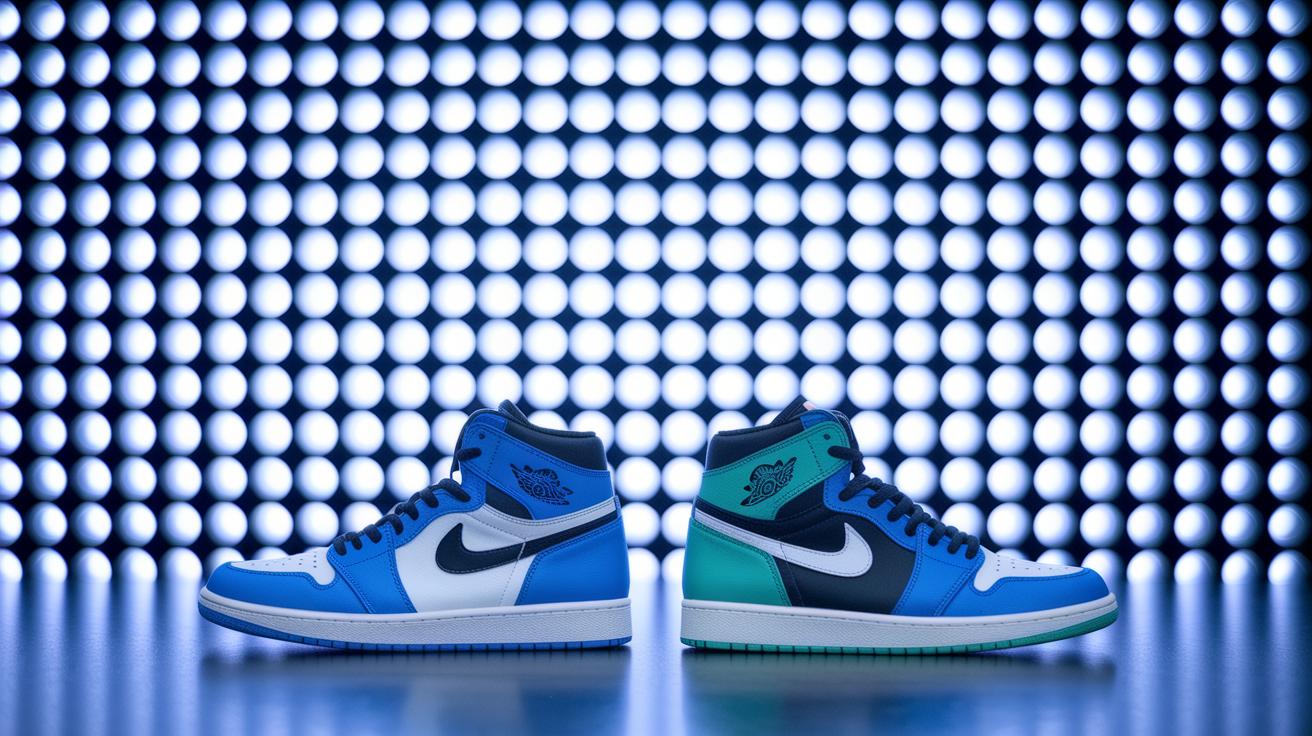
Let’s chat about two favorite sneaker styles: low tops and high tops. Each one brings a unique vibe with its design tricks and the materials used. Whether you’re all about easy movement or snug support, it really comes down to these cool details.
| Feature | Low Top | High Top |
|---|---|---|
| Silhouette | A low-cut look that lets your feet move easily | A higher collar that wraps around your ankle |
| Ankle Collar | Simple, with barely any extra bulk, so you stay flexible | Extra foam layers that keep everything secure |
| Material | Often made from canvas, leather, knit, or mesh for a lighter feel | Built with tough panels and sturdy fabrics for extra support |
| Padding | Neat cushioning centered in the midsole for that comfy step | More padding around the collar to help keep your stride steady |
| Sole Thickness | A thinner build that makes the shoe really flexible | A thicker sole designed to absorb every impact |
All these points come together to show how each design and material choice makes a difference in how the sneaker feels and performs, making it easier to pick the perfect pair for your style and needs.
Ankle Support and Athletic Performance in Low Top vs High Top Sneakers
High-tops give your ankles a little extra hug when you need to make quick side moves. Studies have shown that the added collar support (that's the padded edge that holds your ankle snugly) can cut down ankle twists by about 25% during rapid side-to-side shifts in sports like basketball and skateboarding. A pro might even say, "I trust my high-tops because they keep me secure during sharp cuts." Sure, they add an extra 20-30 grams of padding, but that extra weight helps keep your joints stable and protected.
Low-tops, on the other hand, are all about letting your feet move freely. Their flat, lightweight design supports your natural foot motion, making your strides quicker when you run and smoothing out your transitions at the gym. In real-life tests, athletes say these kicks help shave off precious milliseconds with each step. One runner shared, "Switching to low-tops made me feel faster and more agile on the track." It’s no wonder low-tops are a favorite when speed and quick moves are what you need.
Comfort, Fit, and Mobility Differences Between Low Top and High Top Sneakers
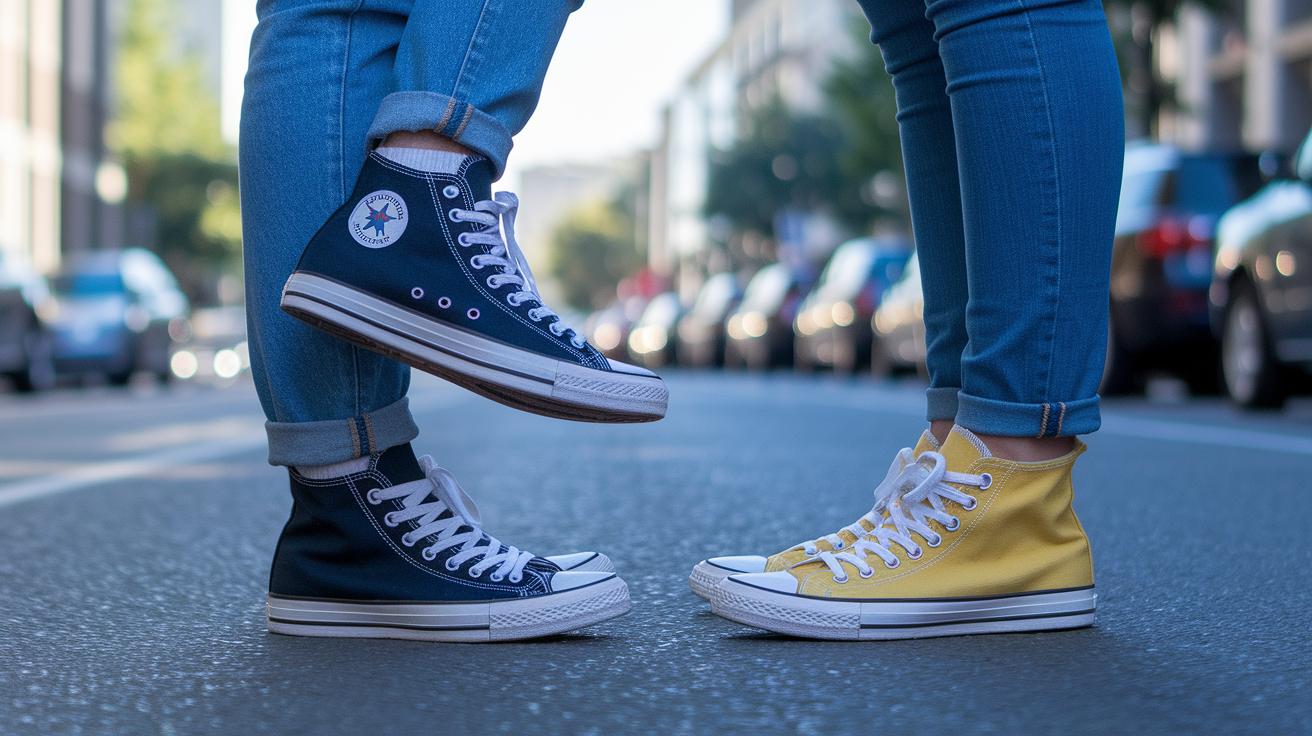
When you slip on a pair of low-tops, they fit loosely and feel great right off the bat. They let your ankles move freely, almost like they're giving you a light, refreshing breeze with every step.
High-tops, on the other hand, wrap around your ankle snugly for that extra support when you’re on the go. At first, they might feel a bit firm because of the extra collar padding, but you'll soon get used to that slight extra weight as they settle in during wear.
Each style brings its own perks. Low-tops are all about being lightweight and come with cushioning (that soft inside layer that makes each step comfortable) to help keep fatigue at bay, even during long days. High-tops add extra padding around the collar, giving you a stable, supportive feel once they break in. Ever notice how a favorite pair of low-tops feels like they’re made just for you right away while high-tops might need a little time to mold perfectly to your stride?
Fashion and Styling Guidance for Low Top vs High Top Sneakers
When it comes to matching your kicks with what you're wearing, low-tops and high-tops each bring their own cool vibe. Low-tops pair well with slim jeans, chinos, tailored shorts, or even a dress, giving you a chill and neat look. Picture yourself on a sunny day, rocking a crisp pair of low-tops with tailored shorts, the smooth feel of your sneakers adding a touch of simple elegance.
High-tops, though, have that bold urban energy that really makes an outfit pop. They work great with layered jackets, oversized hoodies, joggers, or graphic tees. This style transforms a basic outfit into a street-ready statement, reminding you of the edgy trends from your favorite designer collabs.
At the end of the day, both low-tops and high-tops let you express your unique style. Low-tops offer a subtle, clean look while high-tops bring a splash of bold, urban flair. So, why not play around? Mix different textures and colors until you find the look that feels just right for your day.
Choosing Between Low Top and High Top Sneakers for Your Lifestyle
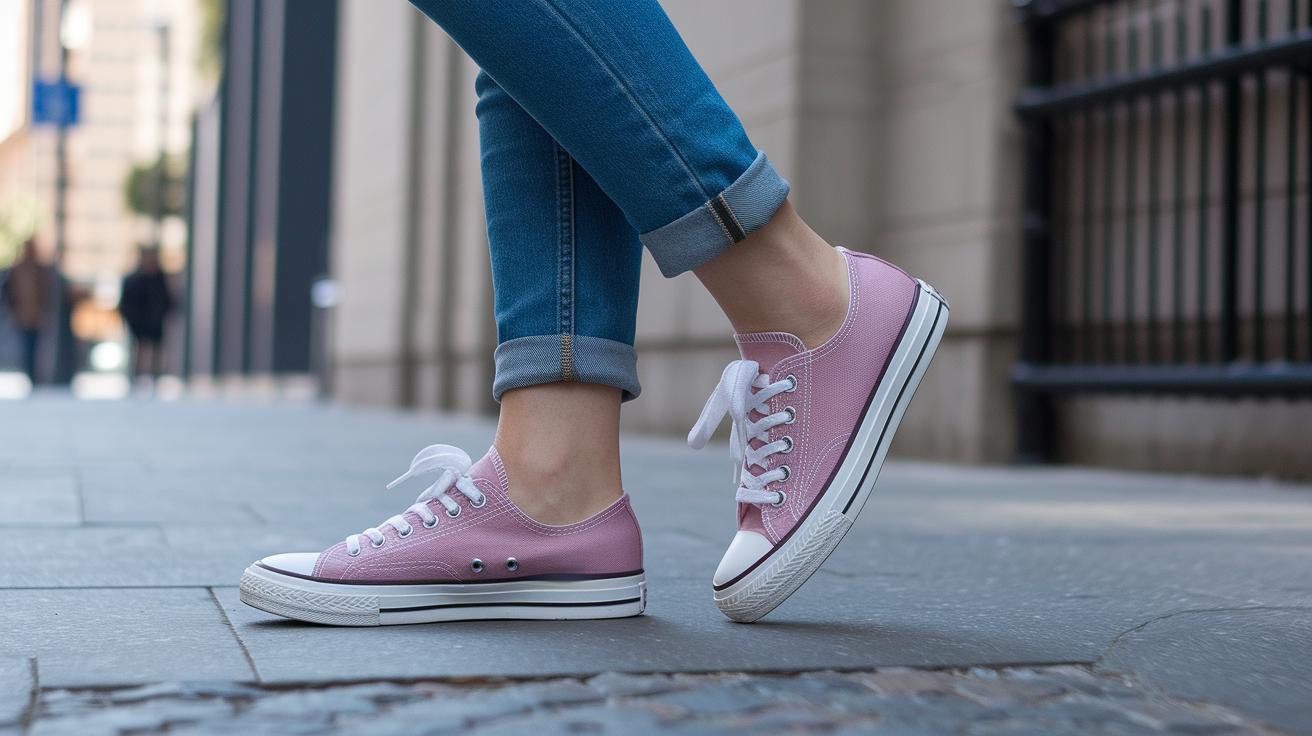
When picking sneakers, think about how they match your everyday life. It’s not just about what you’ve read, it's about how they feel with your busy schedule. If your day includes work, quick trips, or even light workouts, go for shoes that offer comfort and reliable support. Imagine sneakers that feel tailor-made for you, perfect for both a hectic workday and a leisurely park stroll.
If you're a woman looking to nail both style and a secure fit during tough training sessions, check out our selection at workout shoes for women. And if you're a man who needs responsive support for energetic routines, you might really like what workout shoes for men have to offer.
Ultimately, match your sneaker choice to your lifestyle. A streamlined low-top works wonders when you need quick movements with light support. But if you’re after extra stability, try a high-top for that added fit. With free 7-day returns and millions of happy customers, this choice becomes as practical as it is personal.
Final Words
In the action, we explored how sneaker design shapes your day. Low tops keep your steps light and free, blending effortlessly with everyday wear. High tops wrap your ankle in extra cushioning for a snug feel during active moments.
We broke down materials, fit, and performance. The difference between low top and high top sneakers comes down to your need for unrestricted movement versus tight support.
Step out feeling confident, stylish, and ready for anything that comes your way.
FAQ
Q: What is the difference between high-top and low-top sneakers?
A: The difference is that high-tops extend above the ankle to offer more support for sports, while low-tops sit lower for a lightweight feel and free ankle movement during casual wear.
Q: When should I wear high-top sneakers versus low-top sneakers?
A: When choosing, high-tops work great for activities needing extra ankle stability, like basketball, while low-tops are ideal for quick, agile movements in daily or running scenarios.
Q: Who benefits the most from wearing high-top sneakers?
A: High-tops benefit anyone who participates in sports or activities with rapid side-to-side moves because they add extra support to reduce ankle injury risks.
Q: What is the purpose of high-top sneakers?
A: The high-top design is meant to protect and support your ankle during intense lateral movements, making them practical for sports and a bold choice for streetwear style.
Q: How do high-tops and low-tops differ in terms of style?
A: High-tops give off a bold, streetwear vibe that pairs well with layered looks, whereas low-tops offer a more laid-back, versatile style that blends with casual outfits effortlessly.
Q: How do sports like basketball and football influence the choice between high-tops and low-tops?
A: Sports that involve quick, lateral moves like basketball and football favor high-tops for their stability, while low-tops are better for sports requiring speed and flexibility.
Q: Are well-known brands available in both high-top and low-top sneaker styles?
A: Yes, top brands like Nike, adidas, and PUMA—sold at retailers like Foot Locker, JD Sports, and Snipes—offer both styles so you can pick the one that suits your performance and style needs.
Q: What do differences in sneaker styles on Nike mean for performance?
A: On Nike, low-tops are designed for minimal weight and maximum ankle freedom, whereas high-tops provide enhanced stability and cushioning for better support during active pursuits.