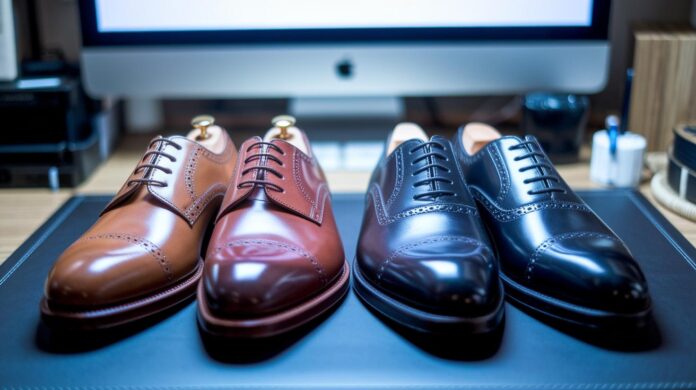

Have you ever thought about which shoe makes a bigger impact, Derby or Oxford? A little design tweak can completely change your look. Oxford shoes give you that neat, snug fit you need for formal occasions, while Derby shoes offer extra room for a relaxed vibe on busy days.
In this post, we break down their key differences and share how each style can boost your confidence. Ready to see your shoe game in a whole new light?
Derby vs Oxford: Head-to-Head Comparison
Oxford shoes are a classic choice that many love for their closed-lacing style. The way the eyelet tabs are sewn under the front gives these shoes a smooth, snug fit that's just right for when you need to look extra sharp, like at weddings, fancy events, or important meetings. If you're aiming for a refined look, check out Oxford Dress Shoes for Men. They bring a structured design that creates a clean silhouette, instantly lifting any formal outfit.
On the flip side, Derby shoes rock an open-lacing design with the fabric panels stitched on top. This clever detail means there's more room inside, giving them a relaxed and comfy feel. They work perfectly for business-casual settings, smart-casual weddings, everyday office wear, and even laid-back weekend plans. With their generous fit, you get extra comfort without losing style.
Simply put, Oxford shoes are all about formality with their neat, tailored look, while Derby shoes offer a versatile charm that suits both semi-formal and casual occasions. The different lacing styles change not only the fit but also the overall vibe of the shoes. It all boils down to one design detail that really sets each style apart, making sure there's a perfect pair for every event and every mood.
Construction and Lacing Systems of Derby vs Oxford Shoes

Oxford Lacing System
Oxford shoes use a closed-lacing method where the tongue stays tucked neatly under the vamp. This setup gives you a tight, structured look, perfect for dressing up. The eyelets are hidden underneath, so every quick pull on the lace feels like adjusting a belt to get that just-right fit. Imagine lacing up your favorite cap-toe Oxfords before a big meeting, feeling secure and stylish with each step.
Derby Lacing System
Derby shoes take a different approach with an open-lacing style, meaning the tongue rests on top of the vamp. This design naturally gives you a bit more room, making them a top pick for wider feet. The eyelets being on the outside means you can easily tweak the fit while keeping things relaxed and cool. It’s the perfect balance of comfort and style for your everyday wear days.
| Feature | Derby | Oxford |
|---|---|---|
| Lacing | Open, facings on top | Closed, facings under vamp |
| Seam | External seam | Hidden seam |
| Fit | Roomier | Snug |
Formality Levels and Occasion Suitability for Derby vs Oxford Shoes
When you're stepping into a high-profile event, like a wedding or a formal business meeting, a smart oxford can be your best bet. Imagine a pair of wedding-ready oxfords, maybe a black cap-toe or wholecut, that match perfectly with a dark suit, giving you that polished, refined look.
But if you’re after a vibe that's relaxed yet still sharp, derby shoes might be more up your alley. Their open-lacing style means they work just as well with chinos, flat-front trousers, or even dark jeans. Ever thought about a derby with a Norwegian split-toe? Made from pebble-grain leather, they're perfect for a semi-formal twist. Or if you're planning a long day on your feet, derby options with rubber soles can offer that extra cushioning (the soft inside that makes each step comfortable).
- Oxfords shine at black-tie events, weddings, and formal business meetings
- Oxfords in brown grain leather are great for a slightly relaxed office setting
- Derbies fit well in a business-casual environment
- Derbies pair nicely with jeans or chinos for smart-casual weekends
- Derby Norwegian split-toe models bring a touch of semi-formal style
- Derby rubber-soled versions are excellent for long, comfortable wear
Fit, Comfort, and Performance Analysis: Derby vs Oxford Shoes

Derby shoes are like that friend who always gets your fit just right. Their open-lacing system lets you loosen up or tighten the mid-foot as you like, which is awesome if you have wider feet. And hey, you can adjust them on the go! With rubber soles and cushioned footbeds (that soft, comfy layer that eases each step), these shoes make long days feel a bit lighter.
In contrast, Oxford shoes come with a closed-lacing design that tucks the tongue neatly under the vamp, keeping your foot secure. This creates a sleeker look that's just right for narrower feet. Even if they feel a bit snug at first, a supportive insole can add that extra comfort boost. Plus, the leather soles and structured lasts (the molds that help keep the shoe’s shape) give them a refined, durable feel, perfect for a more polished look.
Both styles deliver strong performance for everyday wear. It’s all about what suits your personal vibe, do you lean toward the easy, adjustable feel of a derby or the firm, sophisticated style of an oxford?
Styling Tips and Outfit Pairing for Derby vs Oxford Shoes
There’s nothing like a well-matched outfit to instantly lift your style. Brown leather Derbies look great with navy or olive chinos, adding a relaxed, yet refined touch. And when you team up suede Derbies with your favorite denim, you get that effortless comfort perfect for a weekend hangout.
For a more polished vibe, try wearing black patent or calfskin Oxfords with a charcoal or navy suit. They add a smooth sophistication that makes your outfit feel smart and carefully put together. Imagine pairing an Oxford that goes perfectly with a blazer and tailored pieces, you’re set to stand out with a cool, smart casual look. I remember once rocking a burgundy wholecut Oxford with a fitted navy blazer and white shirt; it added a fun modern twist to a classic suit.
Mixing textures can really change the game. A suede Derby can easily take you from a casual brunch to a night out, while a shiny patent Oxford effortlessly shifts between dressy and relaxed styles, making it a must-have in your collection.
A few tips to remember:
- Pair brown leather Derbies with warmer colors for a chill, laid-back vibe.
- Match sleek black or burgundy Oxfords with cooler tones to boost that smart casual look.
Keep trying out different combos until you find the mix that makes you feel confident and comfy.
Heritage and Evolution of Derby Shoes vs Oxford Shoes
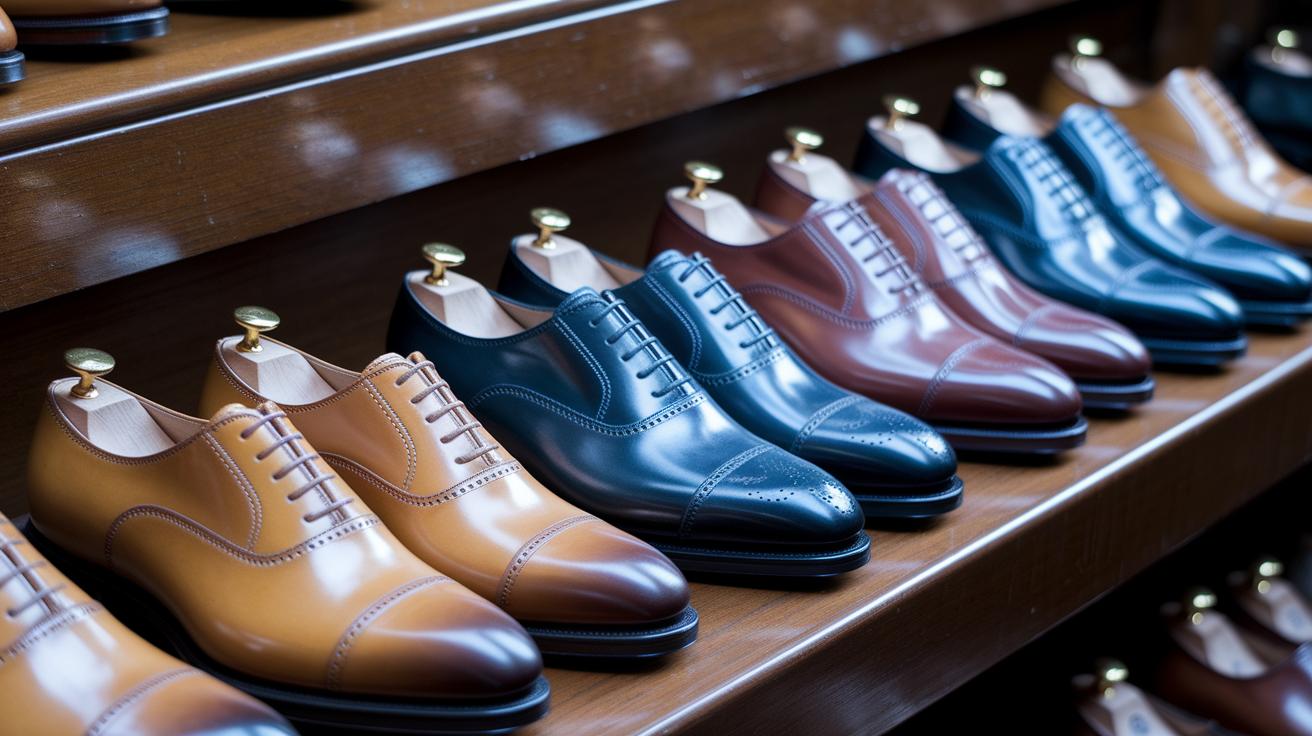
Back in the 1800s, Oxford University students got creative by tweaking their half-boots. They ditched the side splits and added laces to create a shoe that fit securely and looked sharp. Ever notice how a perfect shoe instantly makes you feel put together? That’s exactly what the Oxford shoe was aiming for, a design that stood for tradition and a refined style.
A few decades later, around 1862, Derby shoes stepped onto the scene. These shoes used an open-lacing system, which means the laces aren’t tied tightly to the shoe, giving your feet a bit more room to breathe. This roomy design made the Derby a comfy and versatile choice, perfect for those busy days when you need both style and comfort.
Both Oxford and Derby shoes started from simple beginnings and grew into must-haves for both formal and semi-formal events. The Oxford gives off a vibe of classic structure, while the Derby feels more laid-back yet durable. Want to dive even deeper into their origins? Check out the History of Bespoke Shoes.
Final Words
In the action of our comparison, we explored the unique details of derby shoes vs oxford shoes. We broke down the construction, fit, and style to show how each design fits different settings. Each section highlighted the distinctive features, from the open lacing of Derbies to the sleek closed style of Oxfords. This overview helps you choose a pair that not only looks great but feels comfortable all day. Enjoy stepping out with confidence in your perfect pair!
FAQ
What are the differences between Derby, Oxford, and Brogue shoes?
The difference between these styles is found in their design. Oxford shoes feature a closed-lacing setup for a sleek fit, Derby shoes have an open-lacing for extra ease, and brogues add decorative perforations for a unique look.
Are Derby shoes considered formal?
The question about Derby shoe formality means they are best for semi-formal to business-casual settings rather than strict black-tie events, offering a relaxed yet stylish option.
Which shoe is better for a wedding, Derby or Oxford?
The choice for a wedding depends on your event’s vibe. Oxford shoes are suited for formal ceremonies, while Derby shoes offer a smart-casual feel for less formal wedding settings.
Can I wear Derby shoes with a suit?
The inquiry about wearing Derbies with a suit means that yes, they can work with a suit. Derbies give a comfortable, casual polish though Oxfords tend to present a more refined look.
What defines a Derby shoe?
The definition of a Derby shoe centers on its open-lacing system and external seams, which create a roomier fit suited for wider feet and adaptable styling.
What defines an Oxford shoe?
The description of an Oxford shoe highlights its closed-lacing system with eyelet tabs stitched under the vamp for a neat, snug, and refined silhouette ideal for formal wear.
How do I choose between Oxford and Derby shoes?
The guidance for choosing between these shoes means you should consider the occasion and your foot shape; Oxfords are best for formal events, while Derbies offer a flexible, comfortable fit for casual to business-casual settings.