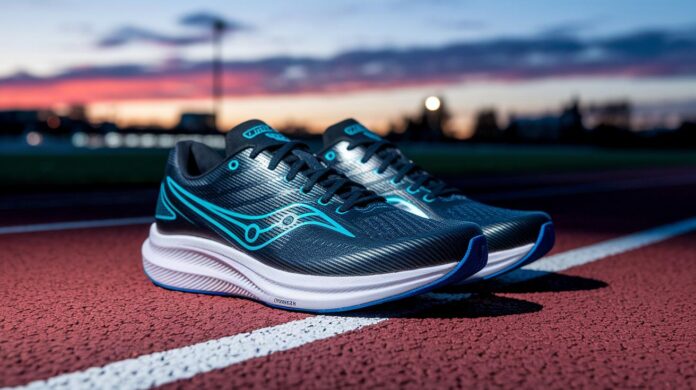

Ever thought a shoe could help you run faster? Carbon fiber running shoes might just surprise you. They feature a thin, strong plate beneath your foot that works like a little spring, giving you an extra push. (Carbon fiber is a super light and tough material often used in high-performance shoes.)
Plus, the soft, bouncy cushioning, basically the comfy padding that makes every step feel light, adds even more energy to your run. It’s a smart mix of modern tech and cozy design, helping you run faster and longer while keeping you light on your feet. Cool, right?
Core Performance Advantages of Carbon Fiber Running Shoes
When you lace up these shoes for a quick 10K or that long marathon, the magic is in a thin, stiff carbon fiber plate (a firm piece that helps each step). It lowers the oxygen your body needs to keep moving. Imagine your feet feeling lighter and more on track with every stride, it’s like a little boost that helps you run longer without tiring out so fast.
The real secret is the mix of that stiff carbon plate with super foam cushioning (a soft, bouncy material that soaks up shock). That super foam bounces back energy, and when it teams up with the carbon plate, you get a teeter-totter effect. As pressure hits the front of your foot, the design gently lifts your heel, pushing you forward like that satisfying spring in every step.
World Athletics has a rule that limits the midsole height to 40 mm, giving these shoes a special forward-roll feel compared to regular trainers. This means they feel extra bouncy and responsive when you’re racing, even though they might feel a bit less steady for everyday running. In simple terms, these performance shoes are designed for race day, where every split-second counts.
Technology Breakdown: Carbon Plate and Midsole Composite
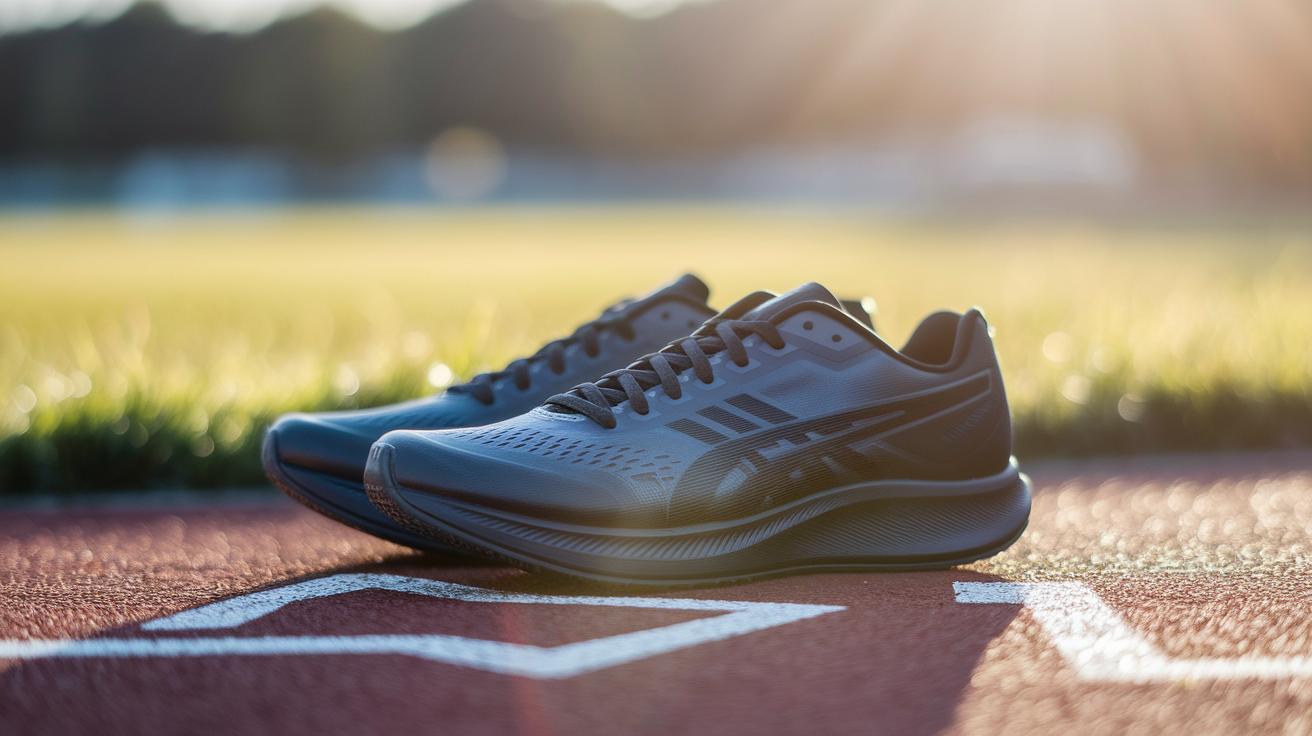
Imagine stepping into a pair of sneakers that effortlessly blend high-tech engineering with everyday comfort. Super foam comes in different flavors, some versions are bouncy and firm, while others hug your foot with soft resilience that gently returns energy with every step. One type might feel brisk and energetic, while another offers a more mellow, cushioned support.
The carbon plate, on the other hand, is all about giving you that extra push. A really stiff plate can launch you forward with a quick burst, whereas a gently curved one naturally guides your toe as you walk. Ever notice how a harder push can make your stride feel snappy compared to a smoother, more deliberate release? It’s like choosing between a fast sprint and a leisurely walk.
When the carbon plate and foam team up, they really shine. The design lets your shoes soak up impact while still pushing you along with steady momentum. Think of a thick, curved midsole as a cozy home for that plate, cushioning your steps and keeping the energy flowing seamlessly. This balanced setup ensures that every stride feels just right without overthinking the details.
Top Carbon Fiber Running Shoes Comparison Table
We've rounded up some top-notch carbon fiber running shoes that really deliver on both speed and comfort. These shoes are super light and built for quick, powerful sprints while still handling longer distances with ease. We looked over details like weight, drop (that’s the small difference in height between your heel and forefoot which can impact your running stride), price, and the ideal race distance. This way, you can easily compare and pick the pair that fits your running style best.
| Model | Price (USD/GBP) | Weight (g) | Drop (mm) | Ideal Race Distance |
|---|---|---|---|---|
| Puma Fast-R Nitro Elite 3 | £260/$250 | 187 | 8 | 10K/Marathon |
| Asics Metaspeed Sky Tokyo | £240/$270 | 169 | 5 | Marathon |
| Asics Metaspeed Ray | £265/$300 | 136 | 5 | 10K |
| Nike Alphafly 3 | £285/$285 | 220 | 8 | Marathon |
| Hoka Rocket X3 | £220/$250 | 208 | 7 | Marathon |
| On Cloudboom Strike LS | £330/$330 | 192 | 4 | 10K |
| Adidas Adizero Adios Pro 4 | £220/$250 | 202 | 6 | Marathon |
| Nike Vaporfly 4 | £240/$260 | 90 | 6 | Marathon |
| Brooks Hyperion Elite 5 | £240/$275 | 203 | 8 | 10K |
| New Balance SC Elite v5 | £260/$250 | 210 | 8 | Marathon |
Choosing the Right Carbon Fiber Running Shoes
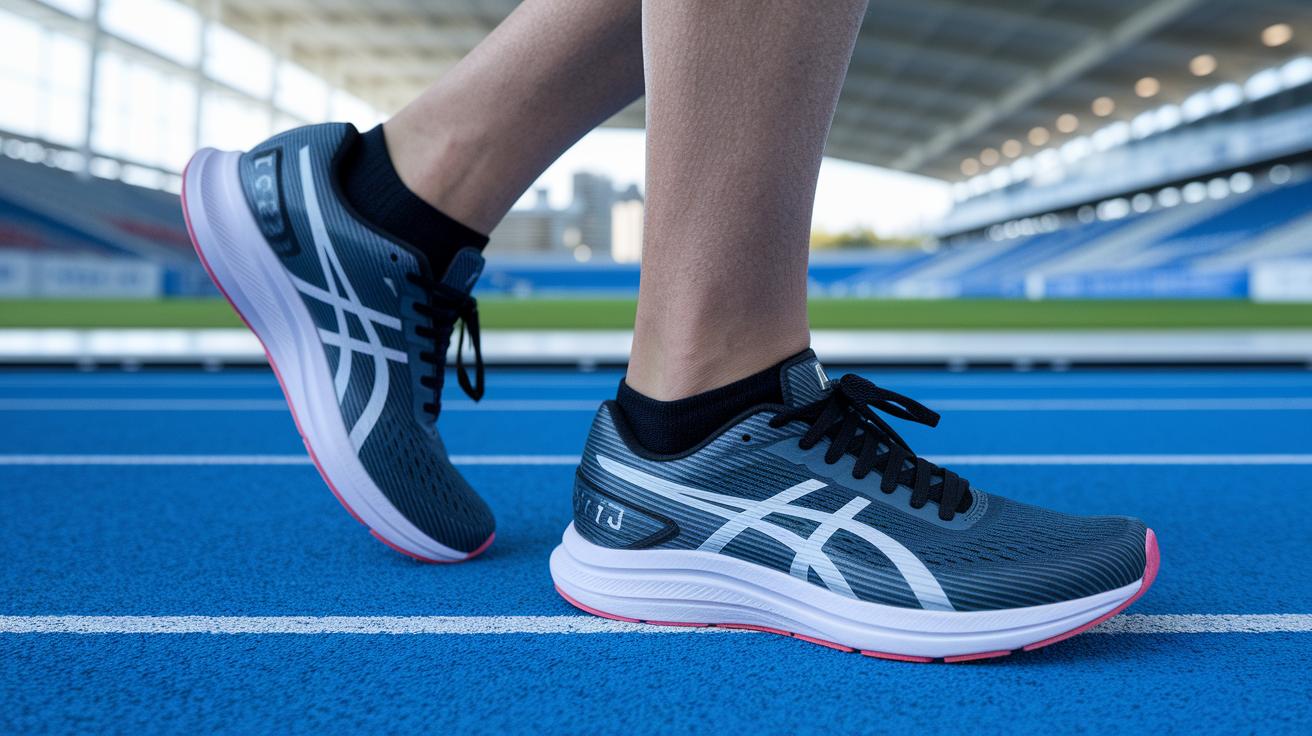
Getting the perfect fit is super important, just like finding that favorite pair of sneakers that feels like a cozy hug for your feet. It’s all about how the shoe fits, the stiffness of the carbon plate, and the midsole’s shape (that's the cushioning that supports each step). Every foot is different, so you need a shoe that fits snugly. Some models have a stiffer carbon plate that gives you a strong push, but if the fit isn’t right, that extra stiffness can feel a bit harsh.
High-stack midsoles, which offer extra cushioning, can feel really comfy but might seem a bit unstable during sharp turns. Your natural gait plays a big role in how the shoe’s responsive cushioning works, especially on tricky parts of your route. Race-day shoes are built for that quick, aerodynamic burst, even if they sometimes sacrifice a bit of stability, while training shoes tend to be more forgiving. In the end, it really comes down to your running style and what you need for races versus everyday workouts.
A professional gait analysis can really clear things up if you’re not sure what fits you best. And honestly, nothing beats trying on a few pairs in-store to feel differences like stack height and toe spring (that small bend at the front of the shoe). When you check out running-specific styles, like the contrast in workout shoes vs running shoes, you see how thoughtful design details can boost your motion and help you enjoy a smooth, efficient run.
Durability Insights and Care for Carbon Fiber Running Shoes
Carbon-plate running shoes really stand out on race day, giving you that extra burst of speed from a cool mix of super foam and carbon (that’s the tech that makes each step feel bouncy). But, here’s the deal: after about 200–300 miles, you start to notice they lose a bit of that energy bounce. It’s like getting a great pair of sneakers that come with a little catch in long-term durability.
Testing shows most models begin to show worn-out outsoles and midsoles that have started to compress. Each type tends to wear a bit differently, with some showing scratches or compression sooner than others. Runners have mentioned that even though the carbon build-up offers an awesome springy feel, pushing the shoes too hard can lead to the midsole getting tired a bit earlier.
To keep getting the best performance out of your shoes, try rotating your pairs, kind of like giving them a break. Also, stick to softer running tracks when you can and check your midsoles regularly to catch any wear early. This simple care routine not only saves your investment but also keeps that speed boost going strong for when it matters most.
Cost Considerations and Value of Carbon Fiber Running Shoes

These shoes usually run between £180 and £330 ($180–$330). A higher price often means you’re getting special design features for race day, think of that extra bounce and drive that pushes you forward. It’s a bit like choosing a high-performance car where every added feature gives you a competitive edge.
When you break it down by cost per mile, carbon-plate shoes can feel pricier than your everyday trainers. But trust me, they really come through when you need that quick burst of energy. And if you don’t mind going for last year’s model, you might just score a hidden gem that won’t break the bank.
For runners keeping an eye on their budget, it helps to zero in on what matters most. Look at features like plate stiffness (that firm layer inside that supports your stride) and foam type (the soft cushioning that makes every step feel cozy). Some shoes offer a stiffer carbon plate for a stronger push, while others use a bouncy foam for extra comfort. Balancing these traits with your budget can help you pick a pair that speeds you up without draining your wallet.
Final Words
In the action, we explored how carbon fiber running shoes boost performance by reducing oxygen needs and giving that forward push with a teeter-totter feel. We broke down the innovative tech behind the plate and foam combo, compared top models, and shared tips on finding the perfect fit. The insights on durability and price help you weigh performance against cost while keeping your style fresh. Step forward with confidence, knowing each stride brings more energy and flair to your race-day experience.
FAQ
Frequently Asked Questions
What are the cheapest carbon plate running shoes?
The question about the cheapest carbon plate running shoes suggests models that blend cost-efficiency with essential performance benefits. They typically use less high-end materials while still offering improved propulsion on race-day.
Which brands offer the best carbon fiber running shoes?
The inquiry into the best carbon fiber running shoes covers favorites like Nike, Adidas, Brooks, and Saucony. These models combine carbon plates with responsive foam for strong energy return and forward propulsion.
How much faster are carbon plate running shoes?
The question regarding speed indicates that carbon plate running shoes can boost running economy by transferring energy efficiently at toe-off, which can lower oxygen demand and help runners achieve faster paces.
What are the pros and cons of carbon plate running shoes?
The inquiry on pros and cons notes that carbon plate running shoes deliver enhanced energy return and speed, yet they may face durability trade-offs and are often optimized for race-day, not everyday training.
Is it worth getting carbon plated running shoes and is carbon fiber good for running?
The question on worthiness shows that carbon plated shoes improve performance by lowering oxygen consumption at race speeds. They offer excellent benefits in competitive settings but require careful fit for regular use.