

Ever wonder if your workout shoes might be causing that nagging foot pain? Plantar fasciitis, a condition where your foot's soft tissue gets sore, can make a simple walk feel like a tough challenge when your shoes lack proper support.
In this post, we're chatting about six different shoe options that aim to ease your pain, keep your arches supported, and add a little extra comfort with every step. Each pair has been chosen because it cushions your every move, letting you work out without a worry in the world.
Curious to see which pair might be your perfect, pain-free match?
Top-Rated Workout Shoes for Plantar Fasciitis: Editor’s Picks
If your workout leaves you with plantar fasciitis pain, finding the perfect shoes can really lift your day. These six models are handpicked to cushion every step, support your arches, and soften heel impact. Picture slipping on a pair that feels like it was tailor-made for you, with comfort, balance, and a smooth stride that takes the edge off every move.
| Shoe Model | Key Feature | Ideal Use |
|---|---|---|
| Brooks Adrenaline GTS 24 | GuideRails technology, firm midsole, 12 mm drop | Structured running and training |
| Hoka Bondi 9 | Maximal EVA foam cushioning (the soft inside that absorbs shock) for superior impact control | Long runs and high-impact workouts |
| ASICS GT-2000 13 | Lightweight stability and a tough design | Everyday training with balanced support |
| Hoka Gaviota 5 | Dual-density cushioning with a wide base and low drop | Great for runners needing gentle heel impact |
| Nike Structure 25 | Cushioned midsole for a smooth, stable ride | Responsive training and stability work |
| Brooks Ghost 15 | DNA LOFT v2 cushioning and a roomy toe box with 12 mm drop | Casual runs and everyday plantar relief |
Each pair has its own charm. The Brooks Adrenaline GTS 24 gives strong support, while the Hoka Bondi 9 pampers you with extra cushioning. The ASICS GT-2000 13 keeps things balanced, and both the Hoka Gaviota 5 and Nike Structure 25 deliver a smooth, comfortable ride no matter what your workout looks like. Lastly, the Brooks Ghost 15 is a reliable everyday pick that brings relief to your heels. These top training shoes might just be the game changer you need to conquer your workout with ease.
Essential Features of Plantar Fasciitis Workout Shoes

If you're on the hunt for workout shoes that ease plantar fasciitis, focus on these six must-have features. They work together to keep your feet cushioned (that soft inside that makes each step comfortable), reduce strain, and help keep your body properly aligned so that every workout feels a lot more enjoyable.
-
Strong arch support for even pressure distribution
Think of it like a friendly hug for your foot, cradling it from heel to toe so every part gets just the right amount of support. -
A 12 mm heel-to-toe drop to shift load forward
This design acts like a gentle slope, guiding your weight away from your heel and making each step feel lighter. -
Firm heel counter and torsional rigidity to limit excess motion
This feature locks your heel in place, preventing unwanted twists and keeping your stride stable. -
High-density EVA or DNA LOFT v2 foam for lasting cushioning
Offering consistent shock absorption (EVA is a light, durable foam), it helps wipe out heel discomfort over time. -
Spacious forefoot/toe box to reduce cramping
Picture a roomier lounge for your toes, enough space for them to move freely without cramping up. -
Durable midsoles rated for 300–500 miles before firmness loss
This means your shoes will keep supporting you as you rack up the miles, maintaining comfort even on the toughest workouts.
Gender-Specific Recommendations: Women’s and Men’s Workout Shoes for Plantar Fasciitis
Women’s Top Picks
If you have a lighter frame, you'll notice that women’s shoes are usually designed with a narrower heel and a softer midsole that feels gentle on your feet. Take the Brooks Ghost 15, for example. It uses DNA LOFT cushioning (a type of soft padding that makes your steps feel smoother) with a flexible midsole and a roomy toe box, almost like a cozy hug for your foot during long workouts. Then there’s the Hoka Bondi 9. Its maximal foam offers top-notch shock absorption, softening every step with a cushioned, smooth impact. And there’s another great option out there that focuses on a natural fit while easing the stress around your heel. All these choices are created to combine comfort with focused support, helping lower heel pain while keeping your arch secure as you move.
Men’s Top Picks
Men’s workout shoes are built a bit differently. They have a wider base and use firmer foam so that your foot gets solid, reliable support. For instance, the Brooks Adrenaline GTS 24 comes with GuideRails (simple supports that help keep your foot in line) and a 12 mm drop that assists in shifting your load naturally. The ASICS GT-2000 13 pairs balanced cushioning with stability rails, offering upbeat support at a friendly price. There's also another model designed with a broader base and a snug heel lock that keeps your foot secure during quick, dynamic moves. These shoes deliver steady support for your high-impact workouts and keep discomfort away during your everyday training sessions.
Selecting Shoes Based on Workout Type for Plantar Fasciitis
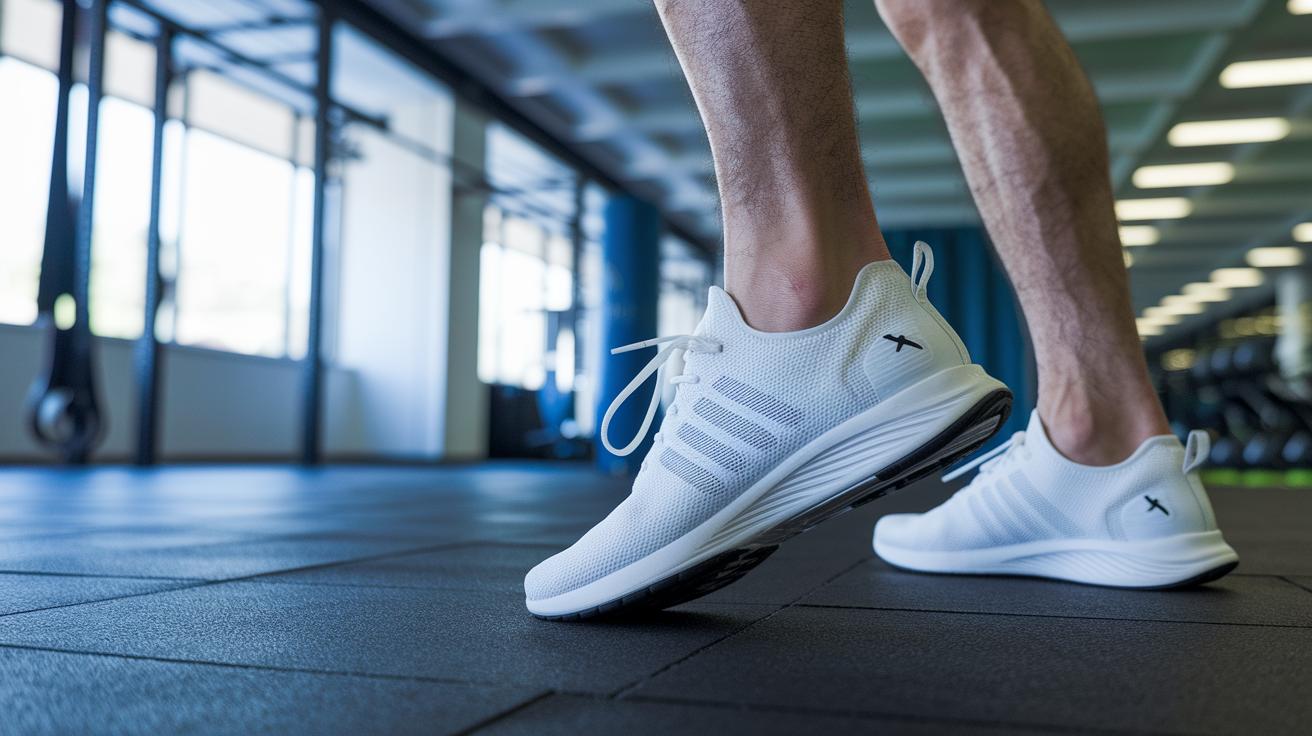
For a fast HIIT workout, pick shoes that keep you close to the ground. They have a low heel-to-toe height so you stay steady during quick moves. For instance, a shoe with a TPU heel clip (a tough plastic bit that helps keep your foot stable) cuts down extra motion. This gives your arch the support it needs while easing stress on your heel during explosive exercises.
When you’re doing cross-training, it helps to have shoes with a firm midsole and solid side support. They guide your foot in the right line, whether you’re doing lateral lunges or quick pivots. A sturdy base keeps your foot from rolling too far inward and protects your plantar fascia when you mix up your workout routine.
If running is more your pace, look for trainers that are padded and offer about a 12mm drop (that’s the difference in height between the heel and the front of the shoe). This design nudges your weight forward, so your heel lands more softly. These cushioned shoes not only soften your steps but also support your arch well, making them a great pick for long runs or interval workouts.
And for low-impact exercises or simple walks, shoes with extra cushioning are the way to go. They focus on shock absorption with plenty of padding to ease strain on your heel. This extra softness keeps your plantar fascia comfortable, even when you’re on your feet for a long time.
Fitting, Breaking-In, and Maintenance for Plantar Fasciitis Shoes
When your shoes fit right, they feel like a reliable friend supporting your every step. Make sure your sneakers have a snug heel lock and about half an inch extra in the toe area. This added space is great for fitting in orthotic insoles (those handy inserts that cushion your steps) and keeps things comfy when your feet swell during workouts.
Here’s a simple way to break in your new kicks safely:
- Wear them for about 1 hour on your first day.
- Add roughly 15 minutes more each day for two weeks.
- Keep an eye on how your feet feel, and if needed, adjust the wearing time.
It’s smart to rotate your shoes to keep that soft cushioning intact. Try giving your sneakers a break every 400 miles, this helps the shock-absorbing midsole keep soothing the discomfort of plantar fasciitis.
Taking care of your shoes keeps them comfy and effective. Gently clean any mesh uppers with a soft soap and let them air dry; this helps protect the delicate foam inside. Think of insoles like a little boost for your arch support, swap out the factory insoles every 6 to 12 months so you can keep enjoying that extra comfort and stability.
Stick with these tips, and you’ll keep your workout shoes performing their best, easing foot issues and helping keep your feet aligned for all your high-energy moves.
Final Words
In the action, we explored top-rated picks, essential features, and fitting tips to keep your feet comfy during every move. We broke down why support, cushioning, and proper fit matter for different workouts.
Our guide compared women’s and men’s styles and offered advice for matching shoes with your exercise routine. Enjoy the thrill of finding your perfect pair and rock that confidence with the best workout shoes for plantar fasciitis.