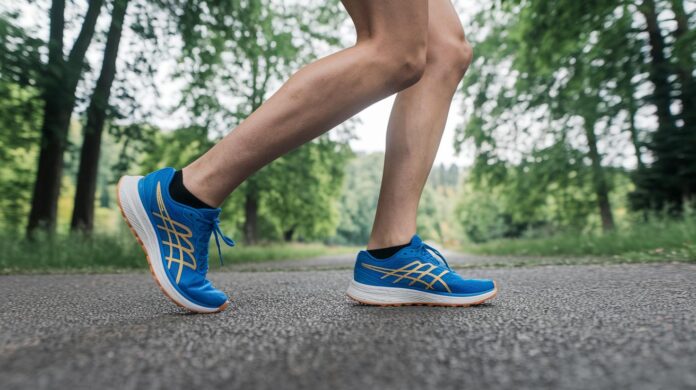

Ever feel like your feet just don't keep up when you run? Overpronation, when your feet roll inward too much, might be the culprit. We tried out several pairs that offer solid support and a soft cushioning (the comfy inside that makes every step feel like a gentle hug) to keep you steady and full of energy.
These shoes use a smart midsole foam and clever heel designs to help your feet stay nicely aligned. It’s kind of like having a built-in guide for every step you take.
Ready to give your running a fresh spin? Let’s explore the best running shoes for overpronation that balance your stride, helping you run smoother and feel more confident.
Top Overpronation Running Shoes for Maximum Stability and Comfort
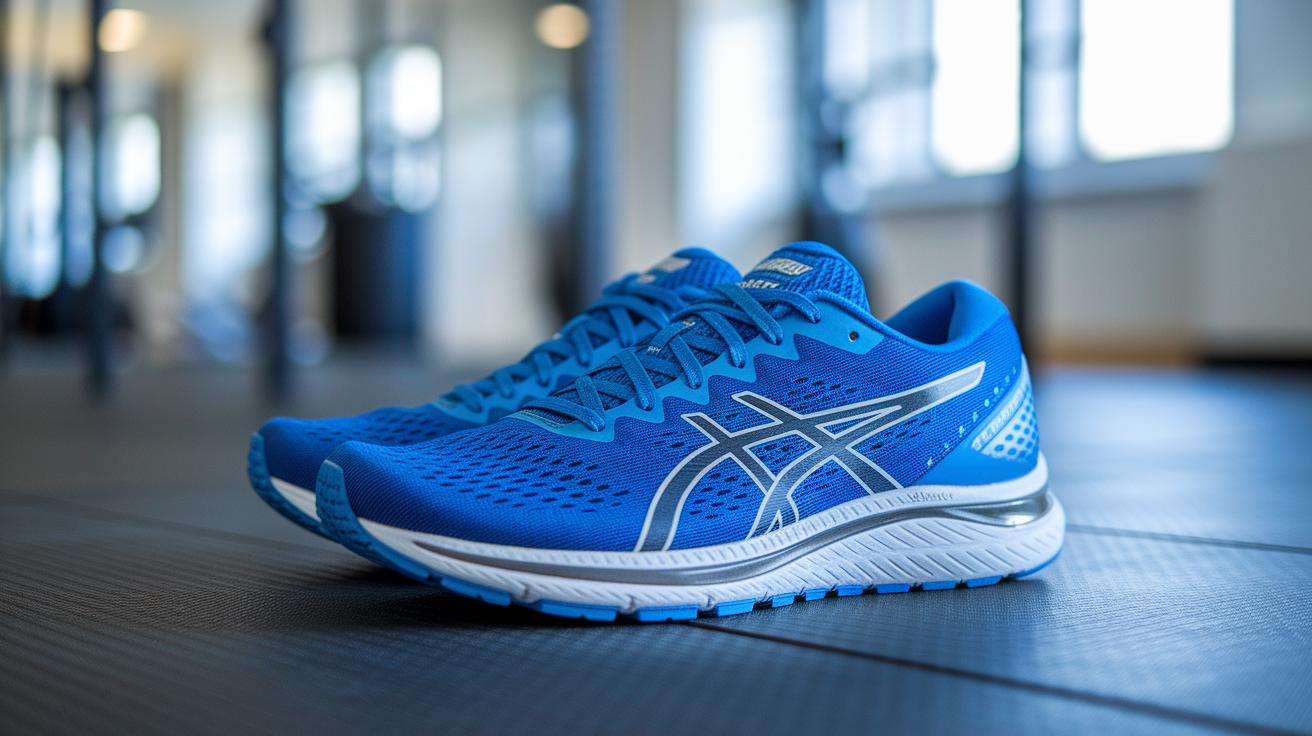
Looking for a pair of shoes that can handle overpronation? These kicks are made to balance your stride with plenty of support and a cushioned feel (that soft inside makes every step comfortable). We put these shoes to the test to make sure they help keep your feet steady when they roll inward.
Take the Asics Gel-Kayano 32. It uses FF Blast Plus midsole foam mixed with PureGel cushioning for great shock absorption and extra heel support. Then there’s the Brooks Adrenaline GTS 24 with its GuideRails system, designed with a comfy rear base and a firmer support on the inner side to keep your feet aligned. The Saucony Guide 18, sporting Pwrrun foam and raised sidewalls, does a solid job at keeping your foot centered.
Next, the Saucony Tempus offers a speed trainer style that lets you run naturally while keeping things stable. If you’re after something lighter, the Hoka Arahi 7 features a lightweight compression-molded EVA (a kind of soft, supportive foam) paired with J-Frame support. And for those long runs, the Gaviota 5 provides pillowy cushioning, although its low drop might be a surprise for heel strikers. Wrapping up our list, the Puma ForeverRun Nitro 2 combines a PumaGrip rubber outsole with a Nitro midsole, giving you flexible yet steady traction for various run types.
| Shoe Model | Key Feature |
|---|---|
| Asics Gel-Kayano 32 | FF Blast Plus midsole foam + PureGel cushioning for top-notch shock absorption |
| Brooks Adrenaline GTS 24 | GuideRails system with a supportive rear base and firmer medial post |
| Saucony Guide 18 | Pwrrun foam and raised sidewalls for a secure, centered step |
| Saucony Tempus | Speed trainer design that preserves your natural running mechanics |
| Hoka Arahi 7 | Lightweight compression-molded EVA with J-Frame support for easy, comfy runs |
| Gaviota 5 | Pillowy cushioning ideal for long distances, though its low drop might challenge heel strikers |
| Puma ForeverRun Nitro 2 | PumaGrip rubber outsole with a Nitro midsole for a balanced mix of traction and support |
Every pair in this list blends smart design and cool technology to help overpronators run with a balanced stride and a ton of comfort.
Overpronation Prevention Strategies Explained for Running Shoes
Running shoes these days come with cool features that keep your foot in check. Designers add smart touches like a dual-density midsole, basically, a softer foam on one side and a firmer one (the stiff side helps stop your arch from collapsing). They even work with lab-tested weights (think men's US size 9 measurements) to find the sweet spot between keeping you stable and giving you a little spring in your step. Ever notice how one pair might hold your foot just right so your step feels balanced? That’s the magic of a firmer inner side controlling the inward roll.
Modern shoe designs also include things like GuideRails, H-Frame, and Wave plates. These features help keep your foot from rolling in too much while still offering plenty of cushioning (cushioning here means that soft layer that makes every step feel like a gentle landing). When you think about it, every bit of better shock absorption makes your run smoother and less tiring.
| Feature | Benefit |
|---|---|
| Dual-density midsole | Helps stop your arch from collapsing |
| GuideRails | Keeps your foot aligned |
| J-Frame designs | Boosts overall stability |
| Wave plate engineering | Controls inward roll |
These thoughtful design choices really help lower the risk of aches and strains. By keeping your foot from moving too much, they help prevent common overuse injuries. Plus, with advanced medial post engineering (a fancy term for support on the inner side of the shoe), the stress on your ligaments and muscles drops. That means your long runs feel more secure and comfy, step after step.
Key Stability and Arch Support Technologies in Overpronation Footwear
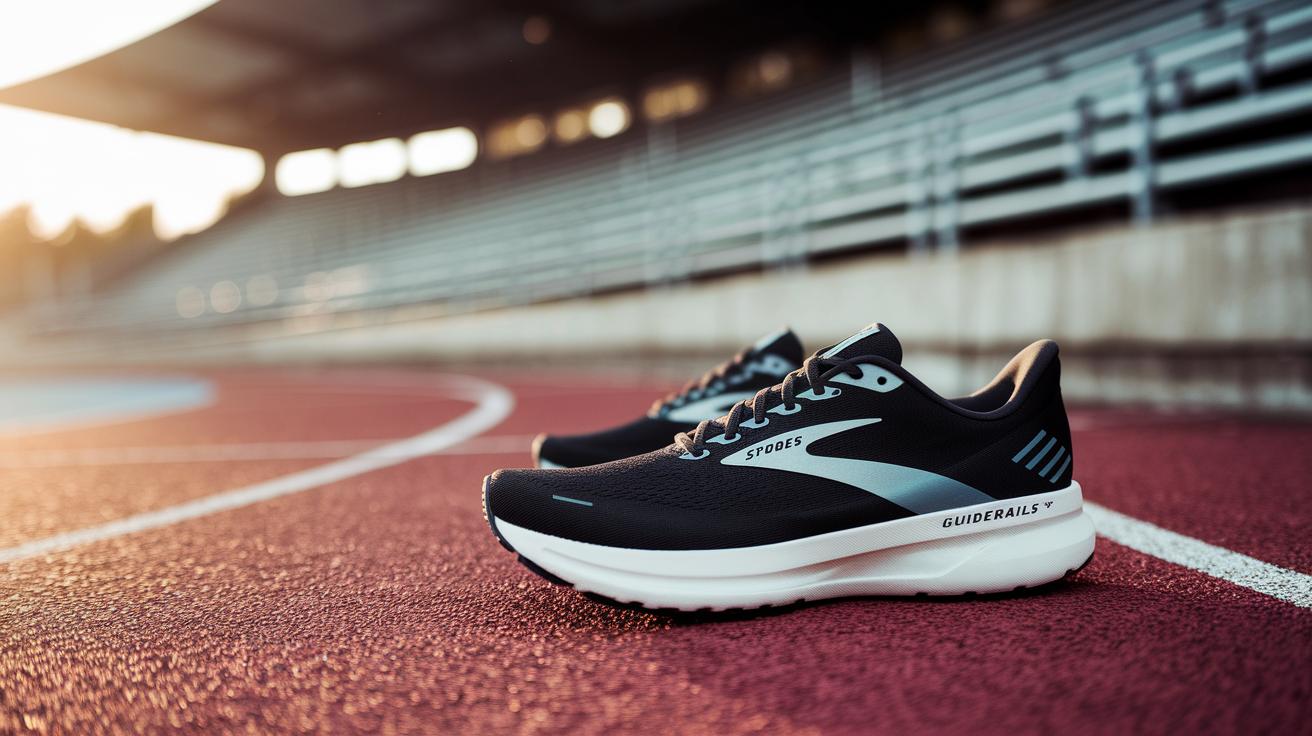
Today’s stability running sneakers are built with clever midsole and outsole tech to keep your steps even and comfy. Brooks’ GuideRails, for instance, use two types of foam to give firm support along the inner side of your foot while still keeping things cushioned. This design supports the arch (that gentle inner curve of your foot) and stops your foot from rolling in too much, which can cause discomfort over time. Manufacturers work hard to mix stability with a light feel, so you get the best of both worlds.
Asics takes a different approach by pairing PureGel cushioning with FF Blast foam. PureGel absorbs impacts with a smooth, soft feel, and the FF Blast foam makes sure your foot stays aligned. It’s like having a ride that softens every step yet responds quickly to your movement. Whether you’re on a quick jog or a long run, this setup helps keep your feet securely in place, even if you sometimes struggle with arch support.
Saucony, on the other hand, blends Pwrrun foam with a CenterPath channel that gently guides your foot forward. New Balance takes a creative twist by swapping out a stiff support post for a cut-out EVA stability plane (EVA is a light and flexible foam). This design gives you solid motion control with a softer touch. In other words, each brand adjusts its features to support your natural stride, making sure overpronators enjoy both precise support and lasting comfort.
Brooks GuideRails vs. Hoka H-Frame Comparison
When you compare Brooks’ GuideRails with Hoka’s H-Frame, the differences stand out. GuideRails pack a bit more weight for extra control and firm arch support, ideal if you need a sturdier feel. In contrast, Hoka’s H-Frame is lighter, using advanced foam compounds to offer a slick, responsive ride. Both designs aim to minimize that extra inward roll, with GuideRails providing a solid, anchored sensation and the H-Frame delivering a smoother, more dynamic experience on various surfaces.
Gait Analysis Essentials for Choosing Overpronation Running Shoes
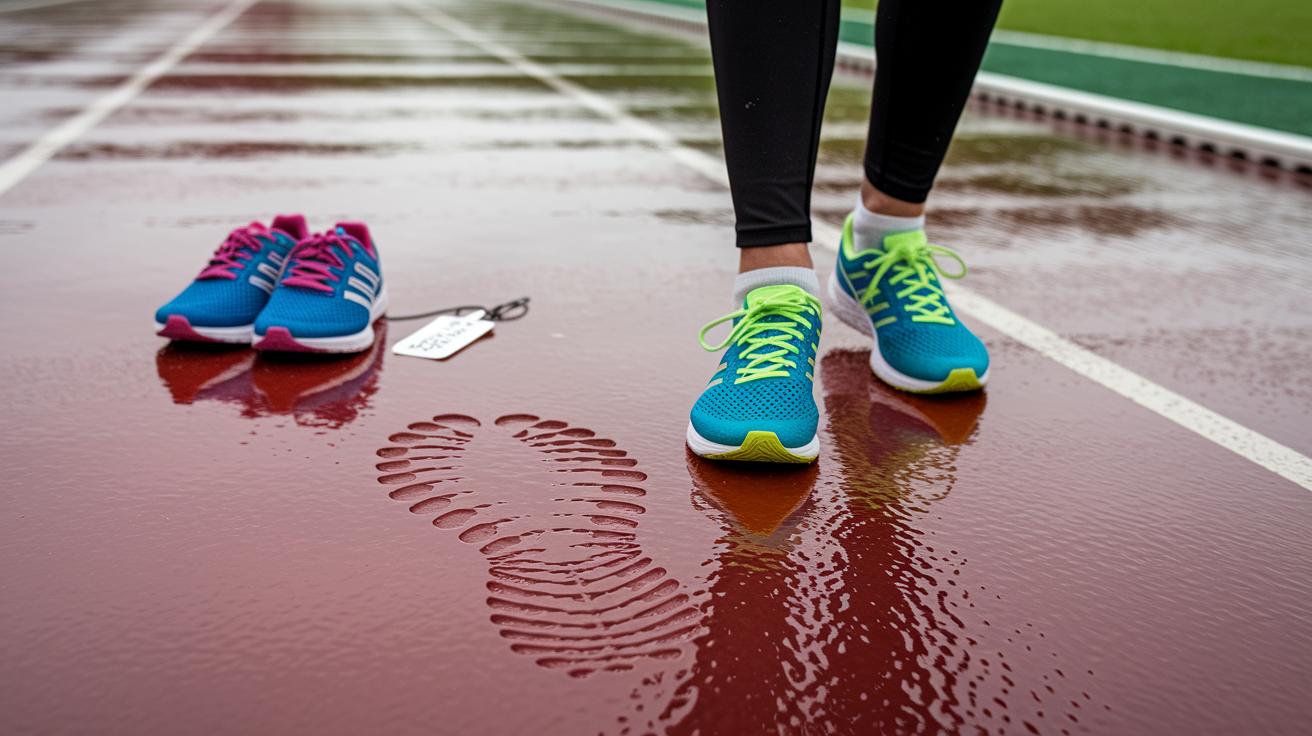
Checking your gait, either at home or with a pro, is a clever way to see how your feet move when you run. It’s a bit like watching a cool dance move; you notice if your arch drops or if your foot rolls inward too much. You can even try simple tests like getting your feet wet or recording your run to figure out your foot strike and angle of pronation (that’s a fancy way of saying how much your foot rolls inward).
Try these easy tests:
- Wet test: Step on a damp surface and look at your footprint to spot signs of too much inward roll.
- Video analysis: Record yourself running so you can see how your foot lands and lifts.
- Pronation gauge testing: Use a small device or get help from someone who knows their stuff to check the roll of your foot.
- Self-check: Stand relaxed, then observe how much your arch drops and how your foot flares out.
Following these simple steps is like having a cheat sheet for your running form. It helps you learn exactly what your unique stride needs, so you can find the best shoes to keep you comfy and supported every step of the way.
Comparing Popular Overpronation Models: Features and Price Points
| Model | Price | Weight | Durability (mi) | Key Pro/Con |
|---|---|---|---|---|
| Asics Gel-Kayano 32 | $160 | 10.5 oz | 450 | Great shock absorption and heel support |
| Brooks Adrenaline GTS 24 | $140 | 10.1 oz | 400 | Reliable GuideRails system with firm medial support |
| Saucony Guide 18 | $135 | 9.8 oz | 350 | Snug fit with Pwrrun foam (a special cushioning that keeps your steps comfy) and raised sidewalls |
| Hoka Arahi 7 | $130 | 8.9 oz | 300 | Super lightweight with J-Frame support, though it might feel less breezy |
| Gaviota 5 | $150 | 10.7 oz | 500 | Soft, pillowy cushioning perfect for long runs; low drop works great for heel strikers |
| New Balance 860v14 | $155 | 10.3 oz | 425 | Smooth ride with an EVA stability plate that replaces a stiff medial post |
Have you ever noticed how the right pair can make your run feel like a breeze? Looking at these models, you get a clear sense of how they balance price, weight, and durability. Most of these shoes are designed with road stability in mind – perfect for long pavement runs – though a few can handle light trail work too.
Take the Gaviota 5, for example. It wraps your feet in soft, pillowy cushioning that makes long miles feel extra gentle, and it’s ready for a rugged path when needed, like that friend who’s up for any adventure. Then there’s the Asics Gel-Kayano 32 and Brooks Adrenaline GTS 24. They offer advanced shock absorption (think of it as extra soft cushioning that eases every step) and firm, reliable support that keeps you feeling balanced.
Meanwhile, the Saucony Guide 18 and New Balance 860v14 mix a sleek design with responsive cushioning for a smooth run, while the Hoka Arahi 7 stands out with its featherlight feel, even if it means giving up a bit of breathability. In truth, these choices help you figure out which shoe fits your style, whether you’re pounding the pavement or exploring those light trails.
Orthotic Integration and Everyday Use for Overpronation Shoes
Have you ever slipped on a pair of shoes that just felt off? Adding your own custom orthotics into stability shoes can really change the game for your daily runs. It’s like upgrading your ride, suddenly every step feels smoother and more supportive.
Many overpronation shoes come with removable insole wells, which means you can easily swap in your own inserts. A fan favorite, the New Balance stability plane, is known for fitting full-length orthotics perfectly. This simple change can make your runs feel much more comfortable.
Here are some quick tips to get the most out of your new setup:
- Choose shoes with removable insole wells so you can easily switch in your custom orthotics.
- Go for thicker insoles (around 5–8 mm) that pack a bit more support than the usual cushioning.
- Look for models that are friendly for orthotics, reviews often mention the New Balance stability plane for a reason.
- Gradually increase your mileage by about 10–15 miles as you start using your orthotics, giving your feet time to adjust.
- Make sure your orthotics stay put during your run so you can enjoy a balanced, steady stride.
Starting with shorter runs is key. Slowly build up your mileage so your body can get used to the new support without any sudden surprises. Trust me, this gentle approach can help prevent discomfort and keep your feet happy every step of the way.
Maintenance, Durability, and Buying Tips for Overpronation Shoes
If you want to keep your overpronation shoes feeling fresh, it all starts with keeping track of their mileage and giving them regular care like cleaning and rotating. Experts say it's best to replace your shoes between 300 and 500 miles. If you're curious about the details, there’s a guide on "How Long Should Shoes Last If You Wear Them Everyday" that breaks it down.
Rotating between two pairs is a simple trick to help each pair get a much-needed break. And by checking the outsole (that’s the tough bottom part that meets the surface) for any signs of wear, especially on the inside, you can spot when the support starts to fade.
Running shoes, over time, can lose that supportive magic. Do a quick midsole compression test by pressing on the cushioning (the soft spot that makes every step comfy) to see if it still bounces back. If it feels too stiff or if you notice a worn-out outsole, it might be time to think about a new pair. These signs can affect how well your shoes prevent injuries and support your feet, whether you’re into male stability footwear or female corrective trainers.
- Mileage: Replace your shoes at 300–500 miles.
- Wear Pattern: Watch for any signs of the inner side of the outsole breaking down.
- Midsole Breakdown: Check if the cushioning isn’t rebounding like it used to.
Final Words
In the action, we explored top picks for correcting overpronation with features like dual-density midsoles, GuideRails, J-Frame, and Wave plate designs that keep your feet secure. We broke down how gait tests and orthotic-friendly designs help you pick the right shoe. We even compared pricing and durability aspects to give you a clear picture. All these tips align with finding the best running shoes for overpronation, so you can step out feeling confident and comfortable. Enjoy the ride, and keep stepping in style!
FAQ
What are the best running shoes for overpronation?
The best running shoes for overpronation include models like Asics Gel-Kayano, Brooks Adrenaline GTS, and Saucony Tempus. Users on Reddit and expert reviews praise these choices for their reliability in offering comfort and support across mens’ and womens’ lines.
What is special about the Saucony Tempus?
The Saucony Tempus stands out for its speed trainer stability design that preserves natural foot mechanics while providing the necessary support to manage overpronation, making it a solid pick for those needing corrective features.
Which shoes work great for both overpronation and flat feet?
Shoes designed for both overpronation and flat feet pack extra arch support and cushioning, helping prevent foot collapse while aligning the foot properly—all essential for reducing discomfort during daily runs or walks.
Are there podiatrist-recommended shoes for overpronation?
Podiatrists recommend shoes with strong medial support and dual-density midsoles to reduce arch collapse. These shoes help stabilize foot motion and create a healthier gait, benefiting those with overpronation.
What are good everyday shoes for overpronation?
Everyday shoes for overpronation combine supportive cushioning and room for orthotics. Their design prioritizes comfort and stability so you can transition from work to leisure without compromising on foot health.
Which shoe brand is best for overpronation?
Brands like Asics, Brooks, and Saucony are well-regarded for their overpronation designs. They consistently deliver shoes that incorporate innovative support features and proven stability technology to keep your feet aligned.
Is Hoka suitable for overpronation?
Hoka offers models such as the Arahi that feature a J-Frame support system to control inward roll. Many users find these shoes provide lightweight stability, making Hoka a favorable option for overpronators.
Do I really need stability shoes if I overpronate?
Stability shoes help counter excessive inward foot roll by offering enhanced medial support. This design minimizes strain and may improve overall comfort and alignment during runs and day-to-day activities.