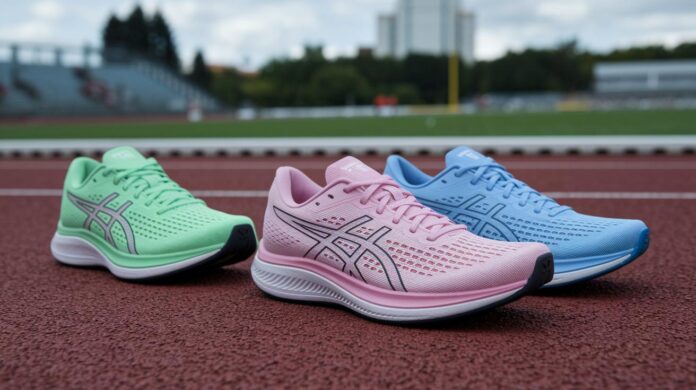

Ever feel like your shoes are holding you back? Imagine lacing up a pair that feels nearly weightless and propels you forward with every step.
Today, we're highlighting three amazing options that make every run burst with energy and freedom. They offer a smooth, supportive feel, with a gentle cushioning (that comfy, soft inside) that makes your steps joyful.
So why stick with the usual when you can light up your run every time?
Top Picks for Best Lightweight Running Shoes for Women
These choices mix top-notch performance with great ease for women on the lookout for ultra-light sneakers. The Nike Vaporfly 4 weighs just 6.6 ounces and features a carbon fiber plate with responsive ZoomX foam (that special soft material that gives your step a boost), making race days feel extra electric.
The Saucony Kinvara 16 is a real crowd-pleaser, coming in at only 6.4 ounces and sporting bouncy PWRRUN cushioning (a cushioned feel that springs you forward), perfect for your everyday training runs. Over at New Balance, the FuelCell Rebel v5 tips the scales at 6.8 ounces and offers a better rebound, ideal for those tempo workouts that keep you motivated.
If you’re looking for a wallet-friendly option, the Brooks Launch 11 is a solid pick at 7.1 ounces, keeping things simple yet reliable. For those long-distance adventures, the Adidas EVO SL impresses with its 6.5-ounce build and plush Max Cloudfoam (a super soft cushion technology), making half and full marathons feel almost effortless.
Then there’s the Saucony Tempus 2, which presents a stability design that might even win over those who usually skip on support. And finally, the Saucony Endorphin Speed 5 offers a unique nylon plate feel (a durable, smooth-tech feature) for a ride that’s both smooth and highly responsive.
| Model | Weight (oz) | Foam/Technology | Price |
|---|---|---|---|
| Nike Vaporfly 4 | 6.6 | Carbon fiber plate & ZoomX foam | $250 |
| Saucony Kinvara 16 | 6.4 | PWRRUN cushioning | $110 |
| New Balance FuelCell Rebel v5 | 6.8 | Improved rebound foam | $130 |
| Brooks Launch 11 | 7.1 | Dual-density midsole | $100 |
| Adidas EVO SL | 6.5 | Max Cloudfoam | $150 |
| Saucony Tempus 2 | 6.8 | Stability design | $120 |
| Saucony Endorphin Speed 5 | 6.9 | Nylon plate feel | $140 |
Key Features to Evaluate in Women’s Lightweight Running Shoes
When you’re on the hunt for the perfect running shoes, a few key details can really make your run feel effortless. First off, think about the weight. For women’s road shoes, you’re looking at under 6.9 ounces, while trail runners can handle up to about 7.5 ounces. Lighter shoes mean you spend less energy just lifting your feet, almost like carrying a feather that still gives you the support you need.
Next up is cushioning. Top models pack in special foams like ZoomX, incrediRUN, or PWRRUN (that’s a soft, springy layer inside that gives each step a little bounce). These materials work with a dual-density design, blending a lively, responsive feel with shock absorption for hard landings. Typically, the midsole stack is around 30 to 40 mm, with a heel-to-toe drop between 4 and 8 mm. This sweet spot helps control your stride and keeps you comfy even after a long run.
Stability is another must-have. Many of these shoes come with guide-rails or a wider toebox to help guide your foot naturally, keeping everything in alignment as you go. And don’t forget durability, while many lightweight shoes should be swapped out every 250 to 300 miles, they’re designed to give you top performance even with a shorter lifespan compared to standard trainers.
Lastly, check out the breathability. A well-ventilated upper with smart design cuts out unnecessary padding to save weight without cramping your style or comfort. Think of it as combining the best parts of workout shoes with running shoes to give you a breezy, high-performance ride every time you hit the pavement.
In-Depth Reviews of Ultralight Performance Sneakers for Women
Nike Vaporfly 4
Runners love the Nike Vaporfly 4 for giving them a boost on race day. Field tests confirmed that the carbon fiber plate teamed up with the super bouncy ZoomX foam (the soft inside that makes each step feel energetic) really helps your foot push off consistently, even during high-speed sprints. One runner said, "My foot felt like it was gliding on the track."
Pros: It's super light, feels built for racing, and offers great energy return.
Cons: It might not be cushioned enough for everyday runs.
Saucony Kinvara 16
Many runners appreciate the Saucony Kinvara 16 for its low-profile PWRRUN cushioning (a firm yet lively padding) that works well on both smooth roads and bumpy paths. Lab tests show it keeps your foot feeling secure during quick pickups on tricky terrain. As one expert put it, "This shoe moves with every step, keeping my stride fast and connected."
Pros: Featherlight build, smooth ride, and agile handling on various surfaces.
Cons: It may not offer enough support if you need maximum stability.
New Balance FuelCell Rebel v5
People are excited about the New Balance FuelCell Rebel v5 because its improved rebound helps maintain a steady pace during tempo runs. Field reports mention that its springy feel stands up well over long distances, keeping a consistent kick throughout your workout. One runner shared, "Every step felt like a gentle push that kept me moving forward."
Pros: Enhanced bounce, perfect for tempo sessions, and super responsive cushioning.
Cons: Its style might not be as polished as some competitors.
Brooks Launch 11
Runners have noticed that the Brooks Launch 11, thanks to its dual-density midsole (two-part cushioning that balances softness and support), gives a smooth ride that stays supportive over many miles. Its simple design makes it a trusted pick for everyday training. One reviewer commented, "The support stays steady from start to finish, making it my go-to for daily runs."
Pros: Affordable, dependable design, and consistent performance.
Cons: It has fewer premium features and style details.
Adidas EVO SL
Long-distance runners rave about the Adidas EVO SL because the plush Max Cloudfoam (a thick, soft cushioning) remains comfy even through marathon-length runs. Field reviews show that the cushioning holds up well against repeated impacts, so you stay comfortable mile after mile. One experienced athlete remarked, "It felt just as fresh at the end of my run as it did at the start."
Pros: Great comfort for long distances, excellent cushioning, and consistent performance.
Cons: It might need a bit more durability for very high-mileage training.
Road vs. Trail: Selecting the Right Lightweight Running Shoes for Women
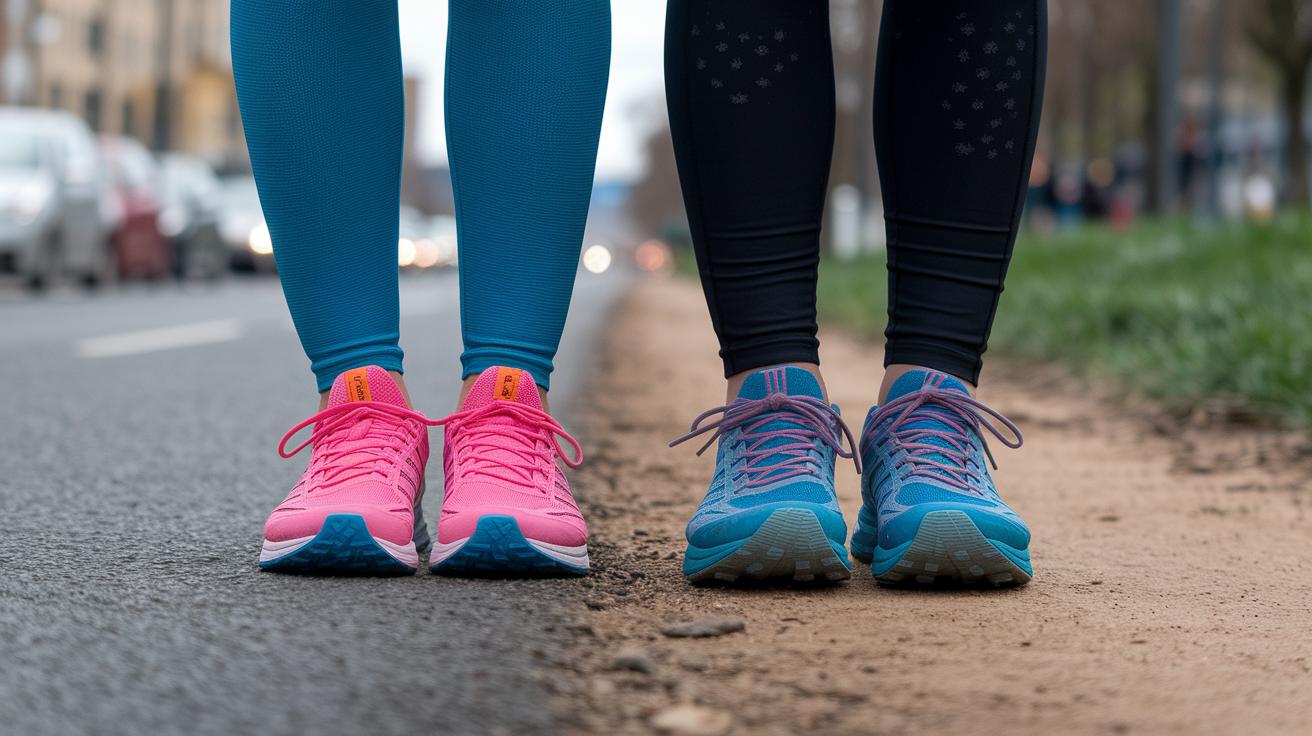
When you're picking out your next pair, a few key details can help you choose between road trainers and trail sneakers. Road shoes are built for smooth pavement with gliding outsoles and a midsole thickness of about 30–40 mm. They keep things light, around 6.9 oz, so you feel fast and nimble on city streets. These shoes give you steady cushioning on hard, even surfaces, perfect if you love comfort and speed.
Now, if you're heading off the beaten path, trail shoes are your go-to. They feature rugged lugs for grip and protective uppers that shield your feet on uneven ground. They might weigh a bit more, up to 7.5 oz, and with a lower drop of 4–6 mm, they keep you stable on tricky trails. Plus, they're often tested for wet traction (think extra grip when it’s damp), so you stay safe and sure-footed in all conditions.
Other important design touches include using gel-mold measurements to get the perfect fit. Both styles are built to last roughly 250 miles. So, take a moment to think about where you run and how you move. This way, you can pick the pair that truly fits your lifestyle and meets the challenges of your terrain.
FAQs on Best Lightweight Running Shoes for Women
Are lightweight running shoes good for injury prevention?
Lightweight shoes can really help lower your injury risk. Their reduced weight makes your running form feel more natural, and they come with balanced cushioning (that soft inside that makes each step feel comfy) to absorb the impact. Experts usually suggest swapping them out after about 250–300 miles to keep both performance and protection right on track.
How often should women replace lightweight running shoes?
For these types of shoes, it's best to replace them every 250–300 miles. That’s a bit more often compared to standard trainers, which might go 450–500 miles. Keeping up with regular changes means your feet stay well-supported, which helps in avoiding discomfort or injury.
Can pregnant runners use lightweight models?
Absolutely, they work great for many pregnant runners. These shoes are designed to adapt as your feet change. Just look for models with a wider front and extra cushioning to offer you extra stability and comfort during your runs.
Do minimalist options suit marathons?
Minimalist shoes give you more ground feel, which might be handy for maintaining good form. Still, they often don’t provide enough shock absorption for a marathon’s long distance. If you’re tackling a marathon, consider going with a cushioned ultralight design to better protect your legs over the long haul.
Final Words
In the action, we explored top picks tailored for women’s ultralight performance, covering everything from weight and cushioning to support designs for both road and trail. We broke down each model’s standout features, making it simple to gauge which pair suits your style and goals.
Every detail, from foam technology to price points, helps you shop smarter. Enjoy the smart ease of finding the best lightweight running shoes for women and step forward feeling confident and ready for any run.
FAQ
What defines ultra lightweight running shoes?
Ultra lightweight running shoes are defined by their minimal weight—often below 6.9 oz for women—which helps boost speed and reduce fatigue during long runs or races.
Are lightweight running shoes better?
Lightweight running shoes can offer a faster and more nimble ride by reducing extra weight. They help lower fatigue but might trade off some stability when running on varied surfaces.
What is the most comfortable running shoe for women?
The most comfortable running shoe for women blends soft cushioning with a secure fit and breathable materials. This mix ensures every step feels supportive on both roads and trails.
What is the best lightweight fell running shoe?
The best lightweight fell running shoe balances low weight with a grippy outsole design. This mix provides the cushioning needed for impact while ensuring stability over uneven terrain.
What factors should I consider when choosing ultra lightweight running shoes for beginners?
When choosing lightweight shoes for beginners, look at weight, cushioning type, and overall fit. These features help provide a comfortable, responsive ride that supports good running form.