
Ever feel like you’re almost going barefoot at the gym? Try barefoot workout shoes. They let you connect with the floor because they have little cushioning (that soft inside that usually makes your step feel padded), so every step gives you real feedback. Imagine doing your lifts and squats feeling natural as your feet grip the ground, keeping you balanced. These shoes aren’t just a neat trend, they make your muscles work a little harder to stay alert. Once you feel that clear connection with the ground, you might be amazed at how it changes your whole workout.
Barefoot workout shoes: Embrace Pure Movement
These shoes are built with a flat, flexible sole and a zero-drop setup, which means your heel and forefoot sit at the same level so you move just like you would if you were barefoot. They come with roomy toe boxes that let your toes spread out and a thin rubber outsole that gives you real, ground-level feedback, almost like you’re feeling the Earth beneath your feet.
They give you the bare-minimum cushioning to really connect with each step while still protecting you during tough gym sessions. The uppers are lightweight and breathable, keeping your feet cool and comfy as you work out. Minimal cushioning means you truly feel every lift, squat, or kettlebell swing. Fun fact: a lot of athletes say these shoes help them get better balance and muscle control, as if they were naturally barefoot.
In your gym routine, these shoes do more than just look cool, they work like personal trainers for your feet. They stabilize your stance and encourage your tiny foot muscles to get in on the action. In short, they let you experience the raw, natural connection to the ground, making each workout feel genuine and empowering.
Core Design Features of Barefoot Workout Shoes
These barefoot workout shoes are built to feel almost like a second skin. They combine a flat, flexible sole with a zero-drop midsole (that means your heel and forefoot are lined up) to help spread your weight evenly, great for both heavy lifts and quick sprints. One happy user said, "These shoes let my feet truly connect with the ground," which really shows how they reduce strain and let you move naturally.
They also come with a roomy toe box so your toes can move freely during any quick, dynamic shift. A thin, durable rubber outsole gives you fast feedback from the ground, which can be a game changer for different types of workouts. Plus, the lightweight, breathable upper uses modern fabric that stays cool and keeps your feet comfy even during those long sessions.
- Flat, flexible sole – moves naturally with your foot.
- Zero-drop midsole – keeps your body aligned and balance even.
- Wide toe box – allows your toes to spread out for seamless movement.
- Thin, durable rubber outsole – provides quick, real-time ground feel.
- Lightweight, breathable upper – helps keep your feet cool throughout your routine.
Health Advantages of Barefoot Workout Shoes
Barefoot workout shoes let you feel the ground in a really clear way. This direct feel helps you know exactly where your body is during workouts like squats, lunges, and deadlifts. One person even said, "I feel more connected with every step." That means your balance gets a boost with every move.
With less cushioning than regular shoes, your feet actually work harder. This extra effort wakes up the little muscles in your feet (the ones that help keep you stable), making them stronger over time. It also helps ease ankle strain because your feet naturally grip the ground during exercises.
Some shoe models are made to keep up with quick sideways moves while still letting your feet move naturally. If you're new to them, you might notice a stronger feel at first, but as you get used to it, you’ll find you have better control and stability with each workout.
Top Barefoot Workout Shoes for Strength, Running, and Functional Training
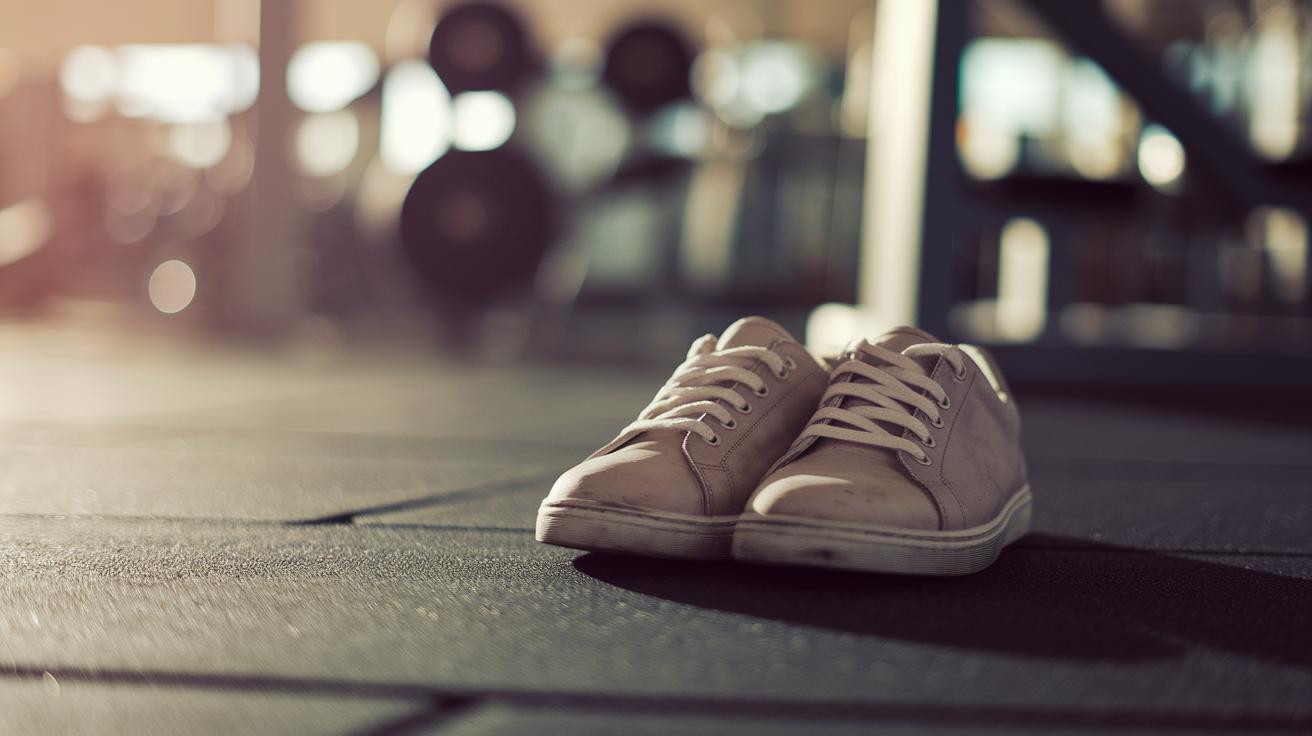
These shoes have been tried and tested for all kinds of workouts. Whether you’re lifting, doing kettlebell drills, or hitting a light run on a trail, they let your feet move naturally without skimping on support. Think of them as your trusty gym buddy, minimal cushioning with a solid grip, flexible soles, and plenty of room for your toes.
| Shoe Model | Best For | Key Features | Price |
|---|---|---|---|
| Feelgrounds Move | Strength & Flow Sessions | Flat, flexible sole with a solid grip and roomy toe box | $120 |
| Vivobarefoot Primus Lite | Gym Use & All-Day Wear | Breathable upper, zero-drop design (no height difference from heel to toe), and natural feel | $170 |
| Altra Escalante Racer | Light Running & Transition | Low profile, minimalist cushioning, and a snug fit | $130 |
| Merrell Vapor Glove 3 | Kettlebell & Mobility Drills | Thin outsole for excellent ground feel and flexibility | $100 |
| Vibram FiveFingers Bikila | Bodyweight Workouts & Trail Runs | Direct ground feel, great for varied surfaces | $110 |
| Earth Runners Primal Sandals | Quick Outdoor Sessions | Ultra-thin sole, conductive laces, and Tarahumara-inspired design | $65 |
Each shoe brings its own unique balance of sensitivity and stability. Feelgrounds Move and Merrell Vapor Glove 3 are perfect if you’re focusing on strength training. Meanwhile, Vibram FiveFingers Bikila and Earth Runners Primal Sandals keep you close to the ground when you’re outdoors, letting you feel every step. And if you spend long hours at the gym or need something lightweight for transition training, Vivobarefoot Primus Lite and Altra Escalante Racer are your go-to picks.
In truth, these shoes are all about keeping your feet connected, comfy, and ready for anything, whether you're lifting, sprinting, or just practicing balance. Isn't it cool when everything just clicks?
Sizing and Selecting Barefoot Workout Shoes
Before diving into any size chart, measure your feet carefully. Different brands have their own quirks. For instance, Vivobarefoot usually fits true to size, Vibram FiveFingers stick to EU sizing (European shoe sizes), and Xero models often run a bit wide. It’s a smart move to measure both feet since one might be slightly larger than the other. When you try on shoes, make sure the midfoot feels snug, but leave plenty of wiggle room for your toes. And don’t forget to include the socks you plan to wear during your workout. One seasoned user even said, "I measured my foot length at the end of the day when it's at its largest."
Once you pick your pair, give them time to settle in, a 7 to 14 day break-in period helps your feet adjust to that minimalist feel. During this time, adding a few toe-curl exercises and calf stretches can make the transition smoother. And if you’re shopping for women’s styles, check out the tips under the workout shoes for women guide for advice that fits female shapes perfectly. This way, you can snag a pair that feels great right away, keeping your workout both safe and enjoyable.
Care Tips for Barefoot Workout Shoes
Start by giving your shoes a gentle hand-wash using mild soap and cool water. Rub the uppers lightly to lift away dirt, then rinse them off well. Once you’re done, leave them to air dry in a shady spot, keeping them away from direct heat helps the flexible fabric and thin sole stay in top shape. Trust me, tossing them in the washing machine, even for a quick spin, can damage that light material and sturdy sole. One user even said, "Hand-washing my shoes makes them last longer and keeps the breathability intact." Really cool, right?
Next, try rotating between at least two pairs in your workout routine. Rotating helps spread out the wear so you get more life out of each pair. Also, every month, take a moment to check the high-wear spots like the toe guard and flex grooves. This little routine can catch early signs of wear and tear, ensuring your shoes continue to provide the natural support and sensitivity you need for each step.
Final Words
In the action, the article broke down how barefoot workout shoes let you move naturally while keeping your feet safe. It covered core designs like flexible soles, wide toe boxes, and breathable uppers that feel like a second skin.
Practical tips on sizing, selection, and proper care were shared so you can enjoy every step.
Every detail leads to a more comfortable and stylish workout routine that helps you feel confident with your barefoot workout shoes. Enjoy each step!
FAQ
What are the best barefoot workout shoes?
The best barefoot workout shoes offer flat, flexible soles with a zero-drop design that supports natural movement while protecting your feet during lifts or runs. Top models from Xero Shoes and Vivobarefoot are popular choices.
Are barefoot shoes good for gym workouts?
The benefits of barefoot shoes for gym workouts include improved muscle engagement and ground feedback. They let your foot move naturally, helping you maintain stable lifts and better balance during exercise.
Do podiatrists actually recommend barefoot shoes?
The suggestion from podiatrists is that barefoot shoes can promote better foot muscle engagement and natural movement, though they advise a gradual transition to avoid strain from reduced cushioning.
Is there a downside to barefoot shoes?
The downside of barefoot shoes is that minimal cushioning may cause discomfort initially. Users might experience a period of adaptation before their feet fully adjust to the natural movement.
What are the best barefoot shoes for lifting and weightlifting?
The best barefoot lifting shoes feature a firm, flat sole with excellent grip, which supports steady footing and proper alignment during lifts, helping you feel each movement more precisely.
What features make a good barefoot running shoe?
A good barefoot running shoe emphasizes a flat, flexible design with a wide toe box for natural spread. It keeps your foot level, enhancing ground feel and promoting a more connected running experience.
Which barefoot shoes are recommended for men?
The recommended barefoot shoes for men include models with roomy toe boxes and a true zero-drop platform, offering lightweight protection that fits both intense workouts and everyday wear.