
Ever feel like your workout could let your feet breathe a little more? Imagine a pair of shoes that ditches all that extra padding so your feet can connect directly with the ground, like dancing naturally with every step.
When your feet can move freely, even the tiniest muscles get a good workout. This means better balance and a new level of control every time you move. It’s like giving your body a chance to rediscover its natural rhythm.
Ready to feel that pure, unfiltered connection with every step? Try out these shoes and enjoy the simple pleasure of genuine movement.
How Barefoot Workout Shoes Enhance Natural Foot Movement
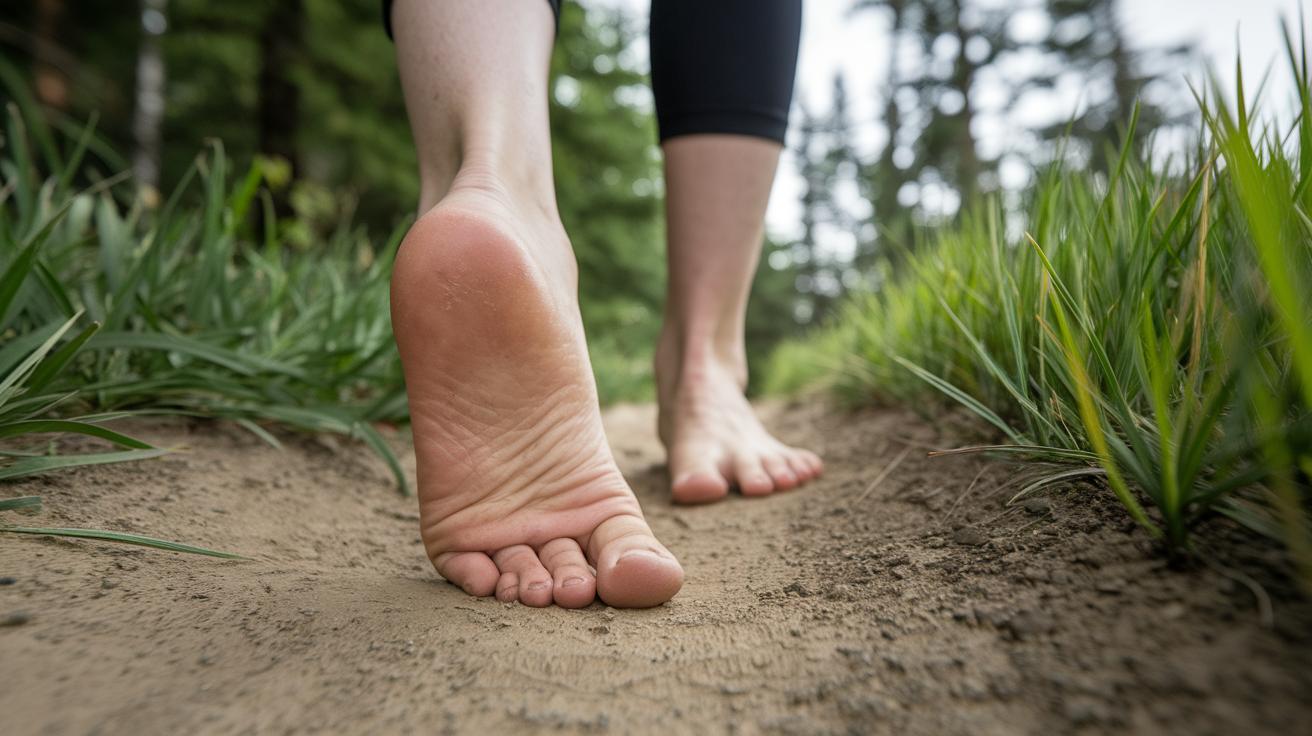
Barefoot workout shoes let your feet really connect with the ground. They skip the extra cushioning so you can feel every little bump and shift under your step. It’s like stripping away the extra layer and getting back to what your feet were meant to do.
When you work out with these shoes, your feet start doing what they naturally do. They let your muscles, especially the tiny ones that standard shoes often ignore, get a proper workout. And your toes? They get the freedom to spread out, which helps you keep stable during all those quick moves.
| Benefit | Description |
|---|---|
| Improved Proprioception | Your feet become more in tune with the ground, almost like learning a secret language with every step. |
| Enhanced Muscle Engagement | The tiny foot muscles get stronger because they work harder to support each move. |
| Greater Toe Splay | Your toes can spread out naturally, ensuring proper alignment and extra stability. |
| Improved Balance | Better sensory feedback gives you a firmer grip, keeping you steady during your workout. |
| Reduced Heel Strike | Less force on your joints and bones, which keeps your moves smooth and gentle. |
All these benefits come together to make your workout smoother and more powerful. With your feet naturally engaged and every move under control, it feels like your whole body joins in. It’s a fun, effective way to train that not only boosts your performance but also helps lower your risk of injury. Ever notice how the right pair of shoes can make all the difference? It’s pretty amazing.
Barefoot workout shoes: Embrace Pure Movement
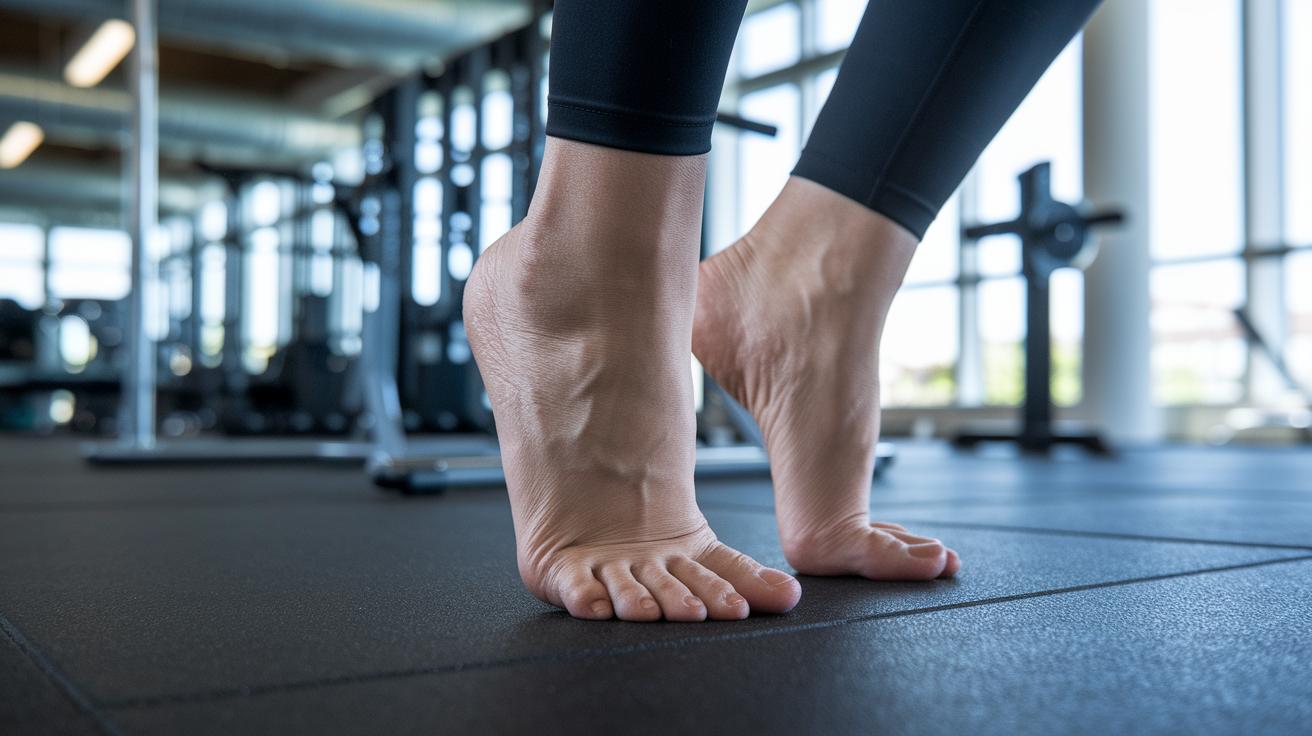
Imagine getting ready for a workout in shoes that let your feet feel like they're really connecting with the ground. These barefoot workout shoes ditch the raised heel for a zero-drop sole (0–4 mm), which means your foot rests flat just like when you're barefoot. This flat design helps your feet line up naturally, giving you that balanced stride every time you step out.
The outsoles are super thin and flexible, usually only 2–5 mm thick. That means you actually feel the ground beneath you, almost like a little massage for your senses, yet they still keep your feet safe from bumps and little hazards. The material feels soft but holds up well, working with your muscles to keep your movement smooth and natural.
They also feature lightweight, seamless uppers that wrap your foot in comfort. The wide toe box gives your toes plenty of space to spread out, helping them work together for every move you make. It’s like each step invites a little extra freedom, supporting your natural alignment even when you’re pushing through the toughest workout.
Comparing Barefoot Workout Shoes and Traditional Training Footwear
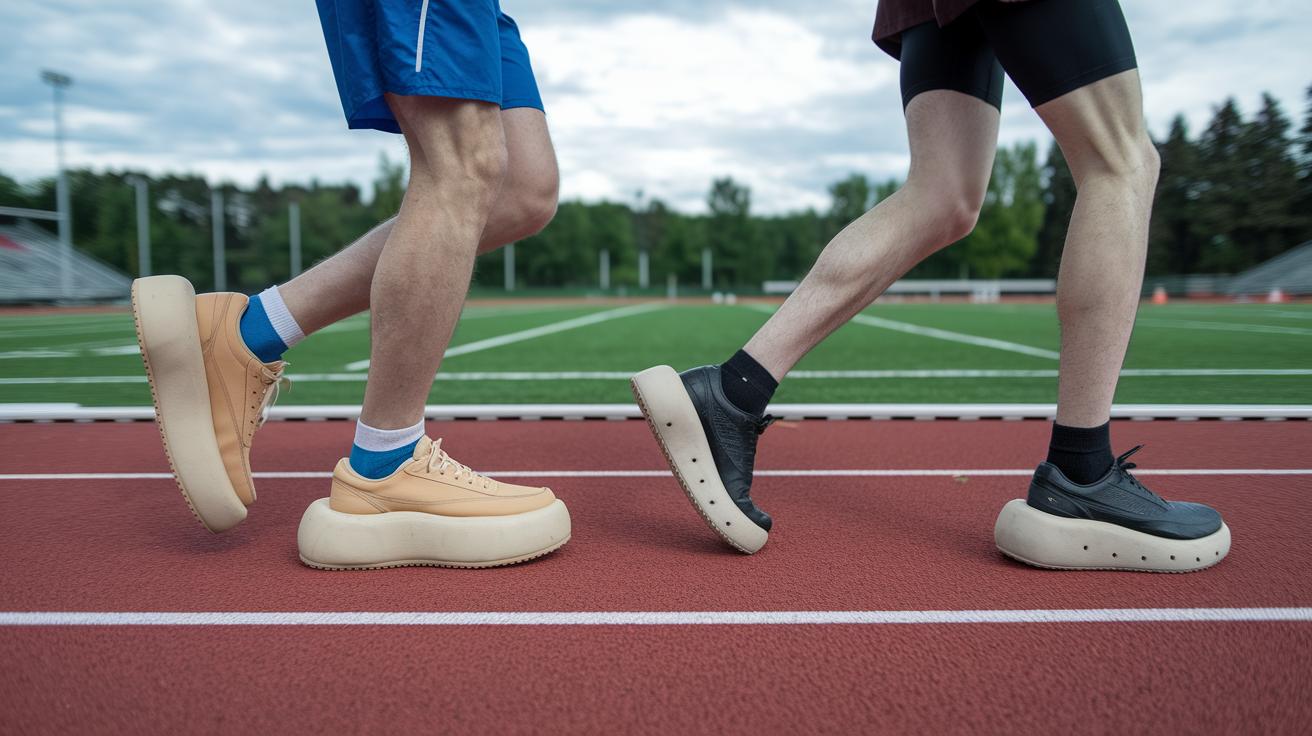
When you compare training shoes, it's easy to see two types: those meant for a firm, grounded feel and those designed for a natural, free movement. Traditional shoes come with thick, cushioned midsoles (usually around 10-30 mm) and raised heels (typically 8-15 mm) that help guide your step into a heel-first landing. They also provide steady arch support, which many find reassuring, though sometimes it stops your foot muscles from really doing their job.
Traditional training shoes feel like a solid barrier between your foot and the floor, giving you the firm support needed during heavy lifts. But that extra cushioning can hide important feedback from the ground. On the other hand, barefoot shoes let your feet work naturally. Their thin, flexible soles encourage a forefoot or midfoot strike, helping your muscles wake up and giving you better balance. Studies suggest they lower the impact you feel, though it might take a bit of time for your feet to build strength.
Top Barefoot Workout Shoes for Different Activities
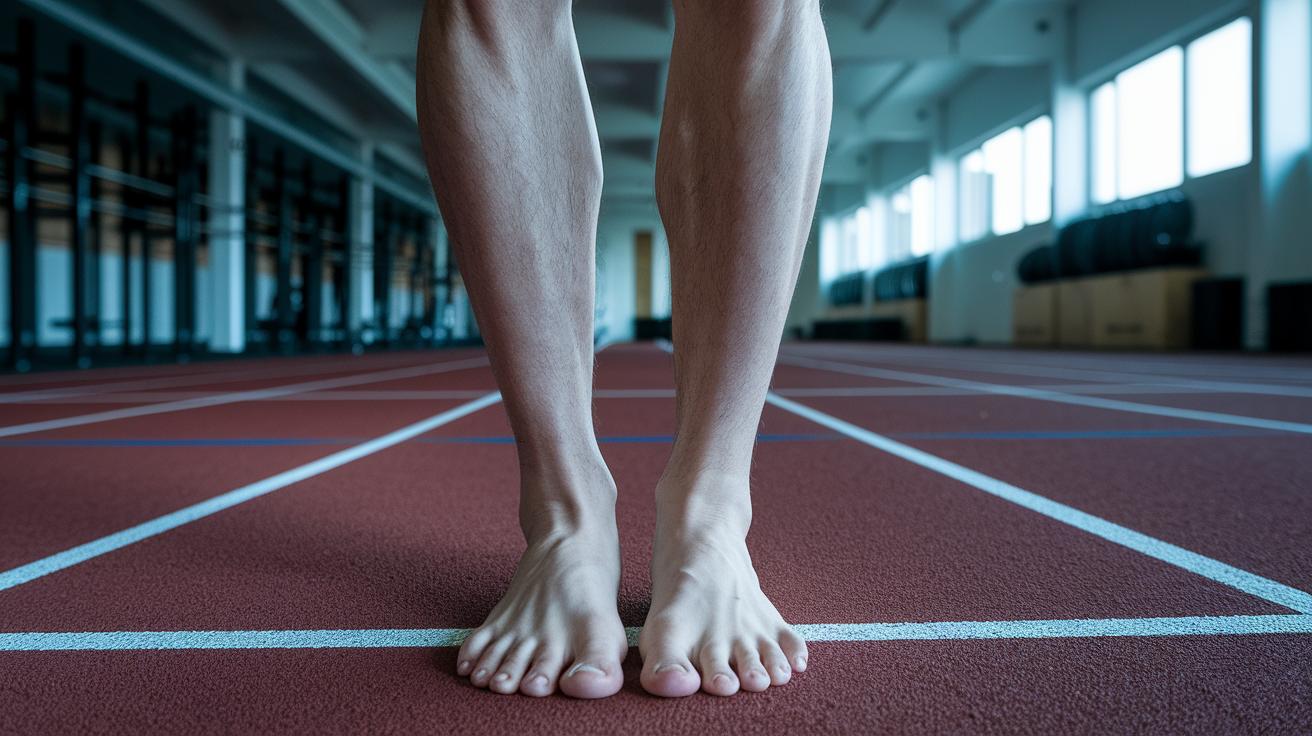
When you're picking out barefoot workout shoes, it's a good idea to think about your workout style first. Whether you're into heavy lifting, high-energy CrossFit, hitting the pavement for a run, casual daily wear, or just need something that won't break the bank, there's a pair perfect for you.
Best for Weightlifting: Tolos Archetype 2.0
For lifting heavy, the Tolos Archetype 2.0 is a solid choice. Its zero-drop design keeps your foot flat on the ground, giving you a stable base for squats and deadlifts. This means you get that extra control and safety every time you lift.
Best for CrossFit: Vivobarefoot Motus Strength
If your routine includes high-intensity CrossFit workouts, the Vivobarefoot Motus Strength has you covered. Built tough with a reinforced design and vegan materials, it offers a firm grip with a secure fit so you can focus on your moves without worrying about your shoes.
Best for Running: Xero Shoes Zelen
Are you a runner? Try the Xero Shoes Zelen. Its slim 3.5 mm sole lets you feel the ground with every stride, mimicking the natural feeling of running barefoot. Plus, its flexible design helps you move more freely, almost like you're running on air.
Best for Everyday Wear: Icarus Ascent Gen 2
For a shoe that works as much off the track as in the gym, check out the Icarus Ascent Gen 2. With its breathable knit upper, your feet stay cool and comfy whether you're exercising lightly or just out for a walk around town.
Best Budget Option: WHITIN Barefoot Sneakers
On a budget? The WHITIN Barefoot Sneakers are an awesome starting point. They feature a wide toe box that lets your toes spread naturally, giving you a taste of barefoot training without spending a fortune.
| Shoe Model | Best For | Price | Available Sizes |
|---|---|---|---|
| Tolos Archetype 2.0 | Weightlifting | $120 | US 5–15 |
| Vivobarefoot Motus Strength | CrossFit | $200 | EU 35–49 |
| Xero Shoes Zelen | Running | $129.99 | US 5–12 |
| Icarus Ascent Gen 2 | Everyday Wear | $144.99 | US 6–13 |
| WHITIN Barefoot Sneakers | Budget Option | $49.99 | US 4–11 |
Transitioning Safely to Barefoot Workout Shoes
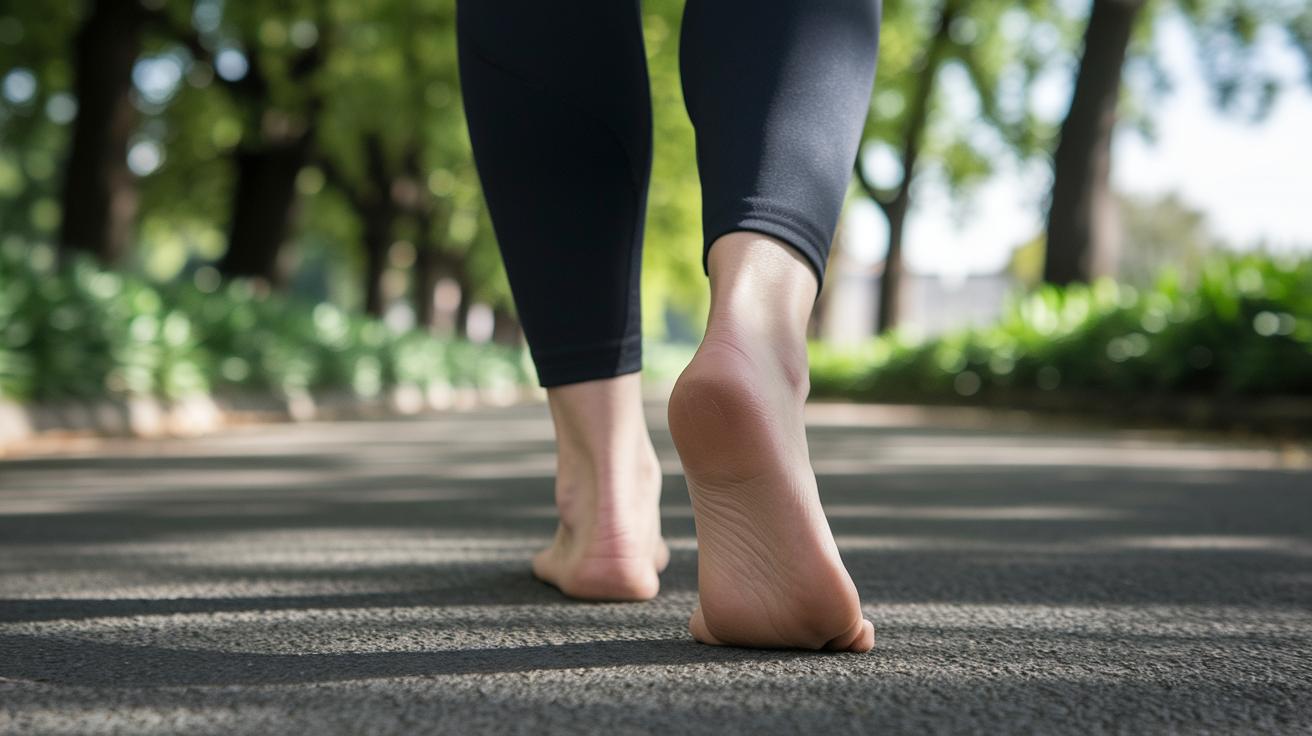
If you're curious about moving into barefoot workout shoes, start by easing into it. Try swapping your usual sneakers for a few minutes during a low-impact activity like walking or easy body-weight exercises. Begin with 10–15 minute sessions so your feet can get used to the natural feel of the ground beneath you.
Take it step by step. For example, add five to ten more minutes each time over four to six weeks. And while you’re at it, throw in some simple foot drills like toe raises or scrunches to give your muscles a little extra strength boost. These drills are like mini workouts for your feet, helping them adjust naturally.
Also, keep an eye on any discomfort. If you feel any unusual soreness, cut back on your sessions until your feet feel stronger. Some gentle stretches can also help ease common issues like bunions or plantar fasciitis (the pain felt on the bottom of the foot). Listen to your body; your comfort matters most.
By taking your time and gradually adapting, you'll help your muscles, joints, and skin settle into a smoother, more enjoyable transition. Ever notice how a gradual change can actually make the whole experience so much better? Enjoy the journey of discovering what works best for you!
How to Choose the Right Barefoot Workout Shoes
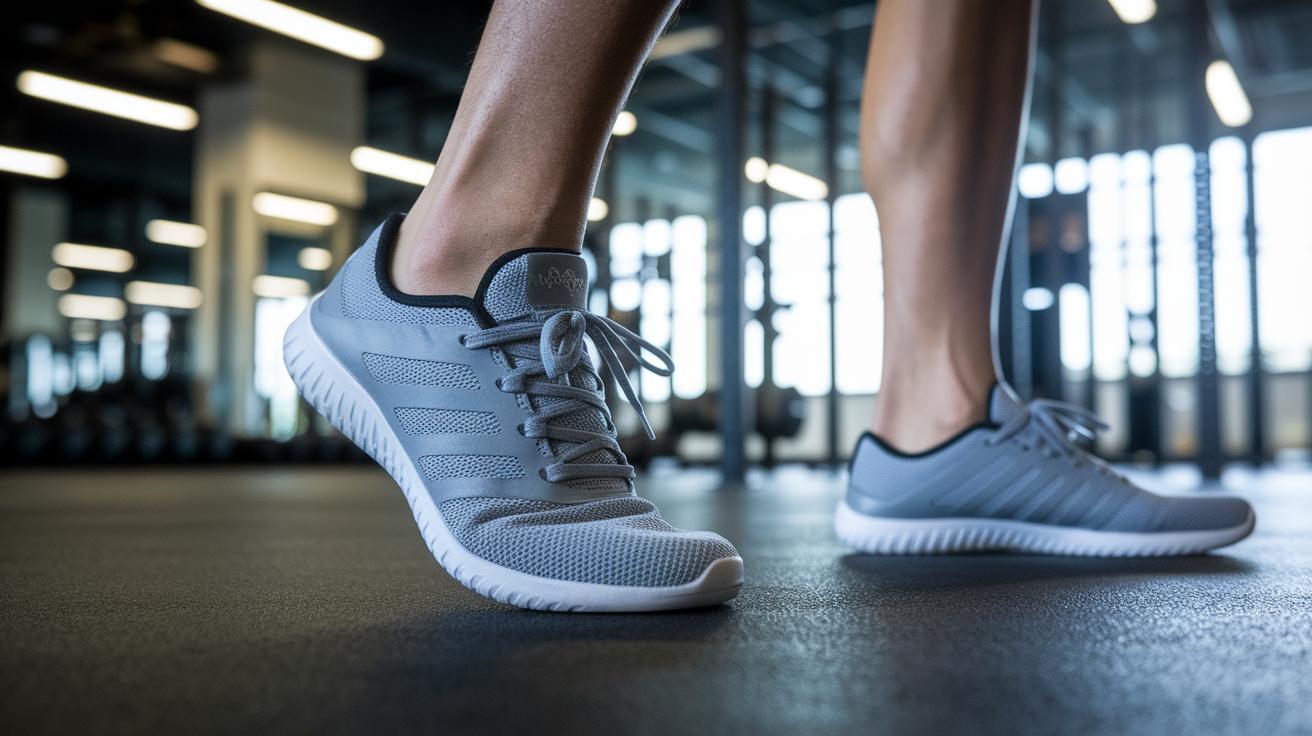
When you’re on the hunt for the perfect pair of barefoot workout shoes, start by thinking about how you train. Are you hitting the gym hard, doing some cardio, or trying a new workout style? The right shoes can really change your whole routine, letting your feet move naturally like they were meant to.
Imagine picking shoes that feel as comfy as your favorite sneakers. Look for options like minimalist training sneakers, ergonomic form trainers (shoes that support the natural shape of your foot), adaptive fitness sneakers, or dynamic exercise shoes. Matching what you do with the right shoe style is the secret to a great workout.
Here are a few quick tips to keep in mind:
- Fit: Measure your foot’s length and width, and leave about 5–10 mm of space in the toe box. This extra room lets your toes wiggle naturally.
- Sole Thickness: For everyday gym sessions, a sole that’s 2–5 mm thick works well. If you plan on outdoor trail runs, consider soles up to 6 mm for a bit more cushion.
- Upper Material: Choose between a knit panel or synthetic mesh, depending on whether you need extra breathability or durability.
- Budget: You can find an entry pair for around $40 (like AIRHAS) or invest in a high-end option up to about $200.
After you check off these details, take a look at some model recommendations that match your training style. Whether it’s a pair built for heavy lifting or shoes that roll with everyday workouts, comparing these factors will help you land the perfect pair that boosts both your form and performance.
Frequently Asked Questions About Barefoot Workout Shoes
-
Are barefoot shoes safe for running?
They sure are if you ease into them gradually. Start off with short runs so your feet can get used to the minimal cushioning. -
How wide should the toe box be?
Your toe box needs to be spacious enough for your toes to naturally spread out. Aim for an extra 5–10 mm of room so your toes can line up comfortably. -
What’s the ideal break-in period?
Begin with wearing them for 10–15 minutes and slowly add more time over the course of a few weeks. It’s a gentle way for your muscles to build strength and get cozy with the new feel. -
Can they alleviate common foot pains?
Many folks have noticed less discomfort and better foot stability. The design supports natural movement, which can help ease issues like pressure on the foot’s sole. -
Do barefoot shoes support overall foot health?
Absolutely. They keep your feet in closer touch with the ground, which improves your balance and naturally works those foot muscles.
These answers are here to clear up some of the big questions about going uncushioned with your workout shoes. They’re meant to boost your confidence as you gradually transition into footwear that supports natural movement during your activities.
Final Words
In the action, our blog walked through why barefoot workout shoes boost natural movement and strengthen your foot muscles. We covered how design features like wide toe boxes and flexible soles work together for better balance and grip. A side-by-side look at traditional shoes highlighted real benefits, while tips for transitioning safely helped you ease into a natural training style. The advice on choosing the right pair makes it clear how these shoes can upgrade your fitness routine and style. Embrace the positive benefits and step confidently in your barefoot workout shoes.
FAQ
What are the best barefoot workout shoes?
The best barefoot workout shoes offer minimal cushioning, wide toe boxes, and close-to-ground feedback to help improve balance and strengthen foot muscles during gym activities and dynamic training sessions.
How do Xero Shoes and Vivobarefoot perform as barefoot workout shoes?
Xero Shoes and Vivobarefoot provide flexible soles and secure, roomy fits that mirror natural foot movement. They boost muscle engagement and promote natural toe splay for an enhanced workout experience.
Which barefoot shoes are best for lifting and weight training?
Barefoot shoes ideal for lifting feature a zero-drop sole, firm stability, and a wide toe box that helps maintain proper foot positioning and grip, ultimately supporting a stronger, balanced lift.
Are barefoot running shoes and gym shoes safe for everyday use?
Barefoot running shoes encourage natural foot movement with a lightweight design that reduces heel strike, ensuring they are safe and effective for daily gym use and promoting overall foot strength.
Do podiatrists recommend barefoot shoes for gym workouts?
Podiatrists recommend barefoot shoes because they promote natural alignment and muscle strengthening. They advise users, especially with existing foot issues, to transition gradually for safety and effectiveness.
Why might some athletes choose not to use barefoot shoes?
Some athletes avoid barefoot shoes due to the adjustment period needed and individual comfort differences. They often prefer cushioned shoes for extra support during high-impact exercises.