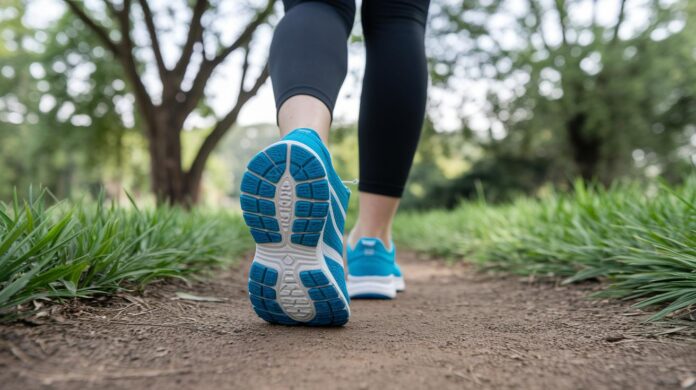

Ever thought your running shoes might be the perfect walking buddy? A lot of people are surprised, thinking running shoes are stiff. But really, they often have just the right cushioning (that's the soft inside that makes each step comfy) for a relaxed stroll.
Imagine taking a step and feeling like you’ve got a little boost, as if your feet are landing on a soft, gentle surface. In this post, we’re chatting about how running shoes, designed for speed, can still give you all the comfort and support you need for everyday walking.
Assessing Running Shoes for Walking Comfort
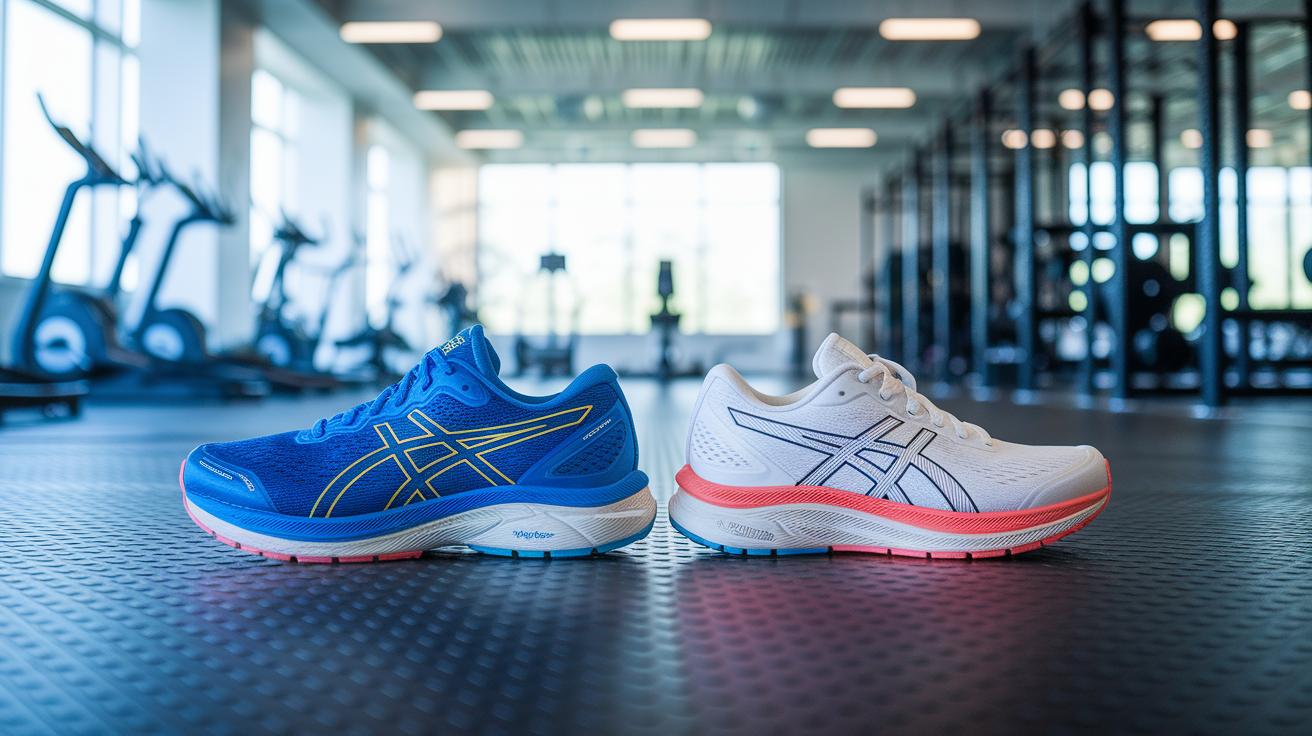
Running shoes work just fine for walking most of the time. It’s mostly about the fact that running gives you more lift than walking does. Basic models without fancy carbon plates (those stiff supports added for a burst of speed) or rocker soles usually do the trick for both activities.
A lot of folks say these shoes have just the right cushioning to soften that impact when your
Comparing Running Shoes and Walking Shoes Designs

Running shoes are all about giving you that extra boost. They feature firmer midsoles (the cushioned layer under your foot that helps absorb shock) and a stiff heel counter (the supportive part around your heel) so you can push off with more energy. Think of it like this: every step you take on a run feels like a little launch forward. It’s engineered to handle the constant impact, making sure your feet stay supported while you land and lift off again.
Walking shoes, on the other hand, are made to be more flexible and smooth. They have a soft, rounded sole and a bendy forefoot, which helps your foot roll naturally from heel to toe. Imagine your foot gliding step by step, with a cushioned midfoot that feels light and comfy under every move. It’s like a gentle transition that makes even a long stroll feel relaxed.
When it comes to cushioning and shock absorption, there’s a clear difference. Running shoes pack a punch with high-energy foam designed for quick, repetitive strides. This foam is great at protecting your joints during fast runs, but if you're just taking a casual walk, it might feel a little too firm. Walking shoes focus on placing foam right in the midfoot, striking a balance that suits a slower pace. In other words, while both types offer cushioning, the roll-out in running shoes might feel stiff when you’re enjoying a laid-back walk.
Cushioning, Stability, and Traction in Running Shoes for Walking
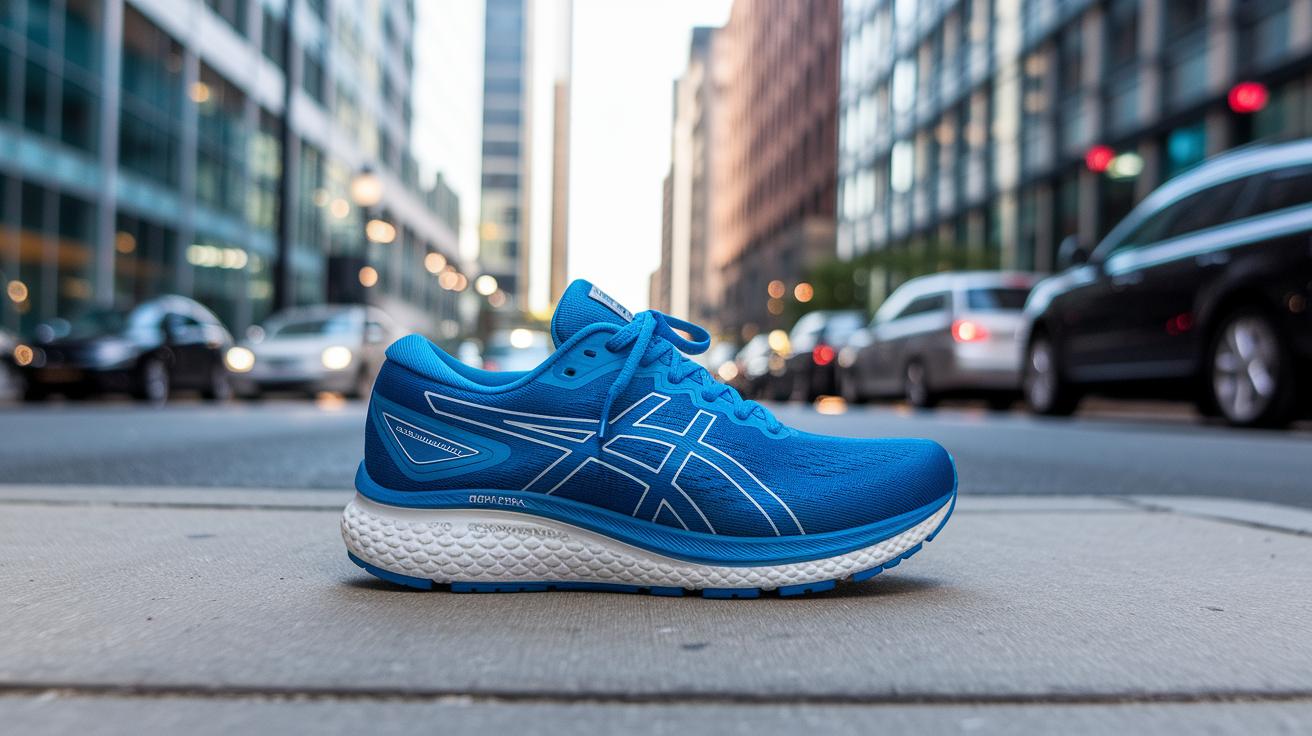
Running shoes feel like you’re walking on clouds. Their midsole has different layers of cushioning (that soft inside material that absorbs shocks) which makes every step gentle on your feet. They also help guide your foot by controlling the roll inward, a process known as pronation control. Ever notice how a little support can change your whole walk?
These sneakers don’t skimp on stability. They come with special design features, like medial posts and dual-density foams, to keep your foot steady and lined up. When you’re on a long, relaxed stroll, this built-in support helps ease tired arches, letting you pace comfortably without extra strain. It’s like a friendly reminder with every step, nudging your foot in the right direction.
Then there’s the outsole. For everyday city walking, lightweight road versions sport flatter, lighter tread patterns that work well on concrete and asphalt. They give you just enough grip without feeling too clunky. Some trail models might feel a bit heavy on smooth surfaces, but they still offer solid traction where you need it most.
Durability and Lifespan of Running Footwear on Pavement
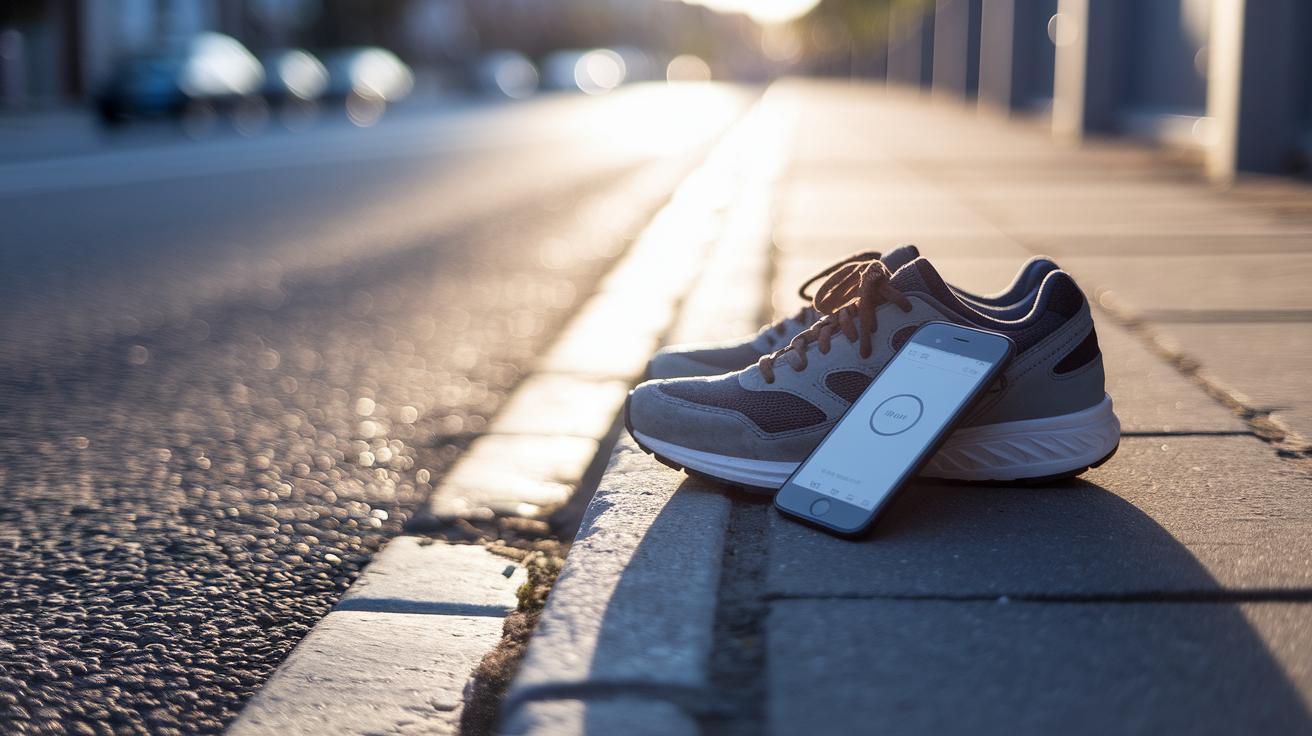
Running shoes usually keep up for about 300 to 500 miles, whether you're running or just taking a walk. When you mix both, these extra miles add up faster. The midsole cushioning (that soft layer inside which helps absorb impact) can start to lose its bounce around the 300-mile mark. So, if you're using your shoes for both, it’s smart to keep an eye on your mileage.
Pavement can really put your sneakers to the test. The rough and hard surface of concrete and asphalt tends to wear down the outsides quicker than the softer trails. That constant rubbing can break down both the cushioning and the overall support, meaning your shoes might not perform as well if you’re pounding the pavement day after day.
It makes plenty of sense to track the miles on your shoes. Lots of folks use apps like Strava or Garmin to log their runs and walks, making it easier to notice when it might be time for a new pair. After all, catching worn-out shoes before they cause discomfort or even an injury is a win.
Some sneakers are built with extra tough rubber compounds to help them stand up to hard surfaces. These special materials help the shoes last a bit longer on rough pavement while still keeping the comfort you need for long walks or runs.
When Running Shoes Fall Short for Walking Needs
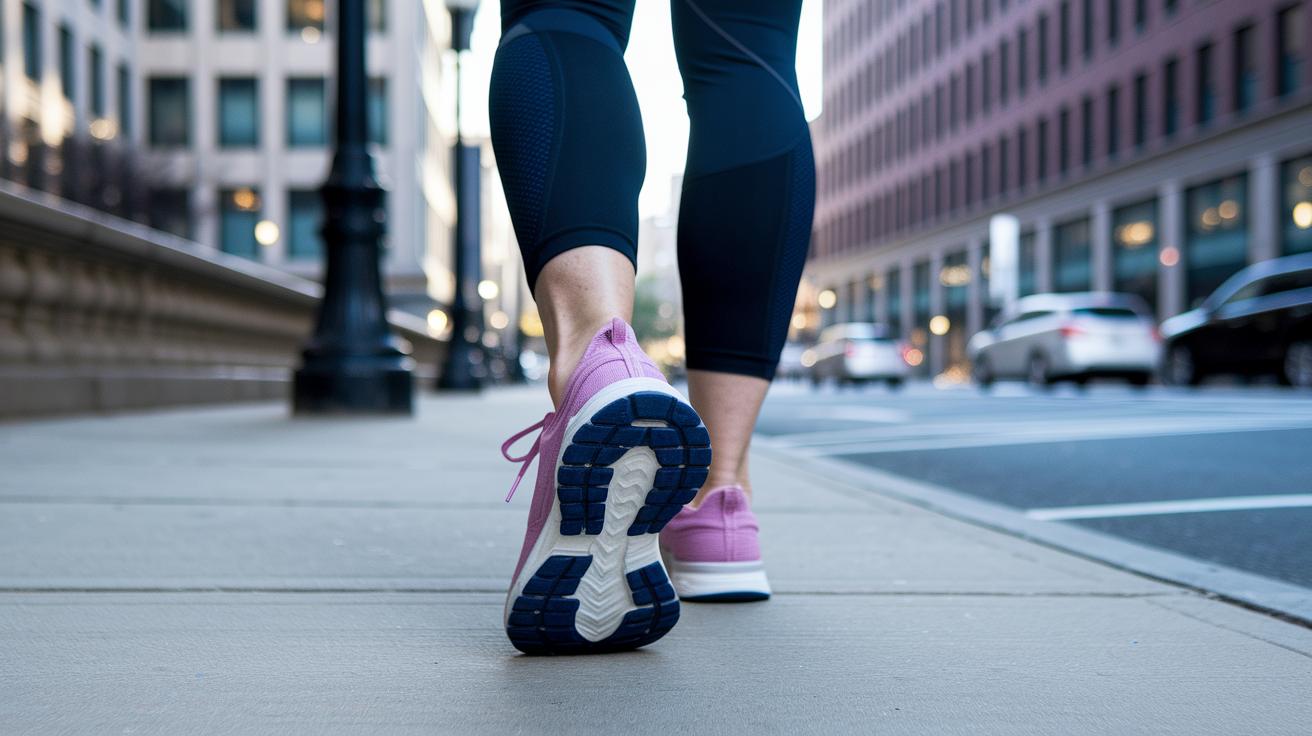
Running shoes are made for quick movements, and that design can make them feel a bit off when you're taking a leisurely stroll. They’re built with features that help you zoom, but when you’re walking slowly, these details can actually throw off your step.
Many of these shoes come with stiff inserts like carbon or rocker shapes. They’re awesome for helping you run faster but can interrupt the gentle heel-to-toe motion you need for a smooth walk. Imagine trying to glide on soft ground but instead feeling every bump, that’s what it can feel like.
Some running shoes also pack super-responsive foams meant to cushion high-impact runs. At a walking pace, these foams might compress too much. This means you don’t get that steady arch support (the curved part of your foot that keeps everything balanced), which can leave your feet feeling tired during longer walks.
Then there’s the outsole. It’s sometimes too stiff, so it can’t bend naturally with your foot. This lack of flexibility can cause extra pressure in certain spots, making your feet sore after a while. In short, while running shoes are great for a sprint, they might not offer the comfort and support your feet really need when you’re walking.
Insights from Experts and Walkers on Using Running Shoes for Walking
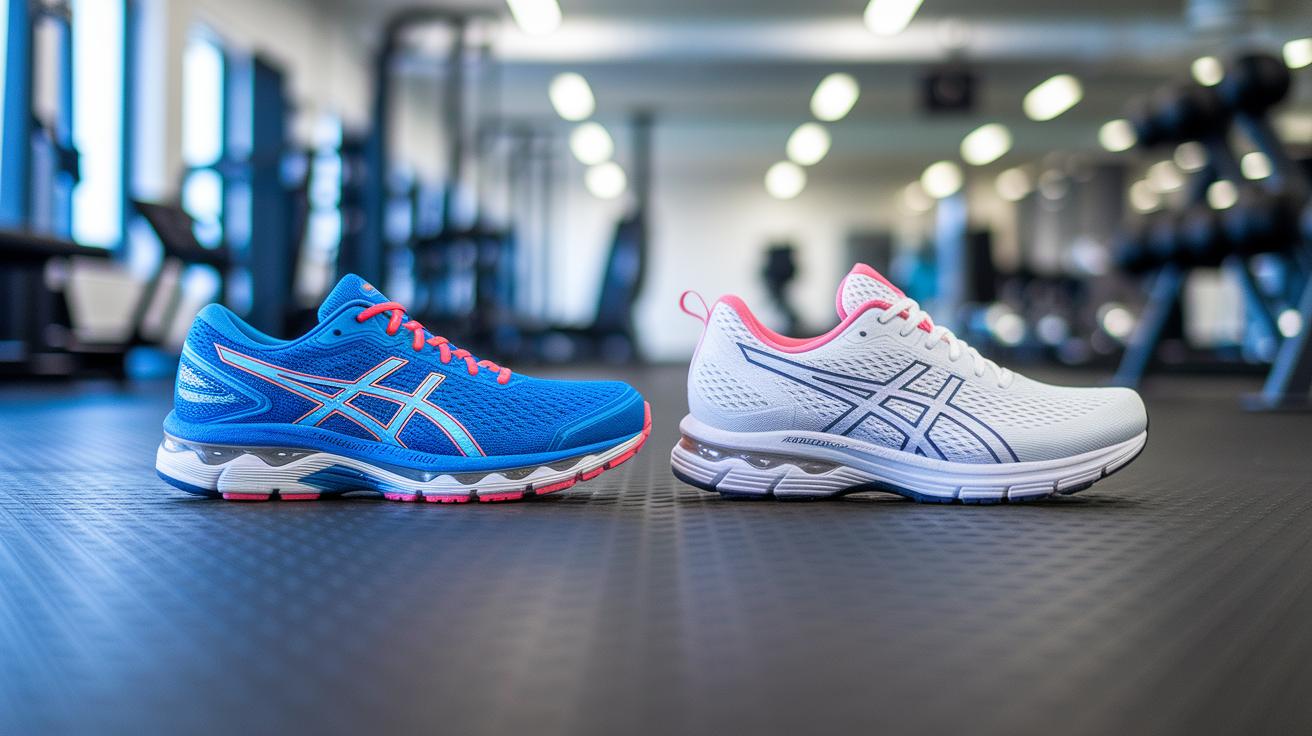
Experts say it's important to pick shoes that match what you're doing. Choosing footwear made specifically for running or walking can help lower your risk of injury since each type is built for different movements.
Research shows that sticking to shoes made for one purpose can cut overuse injuries by about 15%. People rate many running shoes 4.0 to 4.5 stars for walking, but there’s a catch. The cushioning (the soft inside that makes each step comfortable) in running shoes is designed for running’s repetitive impact, so it might wear out faster on long walks. In other words, while running shoes can work for walking, the right fit and cushioning balance are key, especially if you’re dealing with issues like plantar fasciitis.
Many folks share mixed experiences. Some love how lightweight running shoes feel all day thanks to their flexible soles, though they’ve noticed that the midsole can break down quicker if the shoes are used for both walking and running.
Everyday wearers also suggest a few simple tips to boost comfort. They say it helps to alternate your shoes to make them last longer and to watch for any changes in the cushioning feel. Some even recommend adding insoles for extra support during long walks. It’s all about finding what works best for you so every step feels just right.
Final Words
In the action, we showed how running shoes measure up for walking by breaking down cushioning, midsole firmness, and outsole grips. We looked at design details and durability to explain what works well for everyday strolls.
Our deep dive revealed that, yes, running shoes can be good for walking if you steer clear of race-day features. Enjoy the comfort and keep stepping strong with your ideal pair!
FAQ
Are running shoes good for walking for everyone?
The suitability of running shoes for walking is confirmed when they lack race-day features; they offer ample cushioning and support. Reddit users, both women and men, often share positive experiences.
What are the best walking shoes?
The best walking shoes deliver comfortable cushioning, a flexible sole, and firm support for pavement use, ensuring a smooth stride and reduced pressure on your joints.
Are running shoes good for standing all day?
Running shoes with generous cushioning and responsive midsole foams help support your feet during prolonged standing, easing joint stress while keeping you comfortable throughout the day.
What are some good walking shoes for long-distance concrete walks, especially for women?
Walking shoes designed for long-distance concrete use need extra cushioning and durable soles; women-specific models often deliver a secure, tailored fit for stable, comfortable strides.
What are some of the best running shoes available?
The best running shoes balance cushioning, lightweight responsiveness, and firm support, making them a versatile option for both vigorous activity and everyday wear.
Is it okay to walk with running shoes?
Walking in running shoes is generally fine if they provide a secure fit, ample cushioning, and proper support, effectively catering to both casual strolls and more active use.
Which type of shoes work best for everyday walking?
Everyday walking shoes should combine a flexible, grippy sole and supportive cushioning. Many running shoes meet these criteria, offering comfort and stability for daily activities.
Which brands are popular for versatile running and walking shoes?
Popular brands include HOKA, adidas, PUMA, ASICS, New Balance, and Salomon. Each is known for quality cushioning, flexible designs, and dependable performance across various activities.