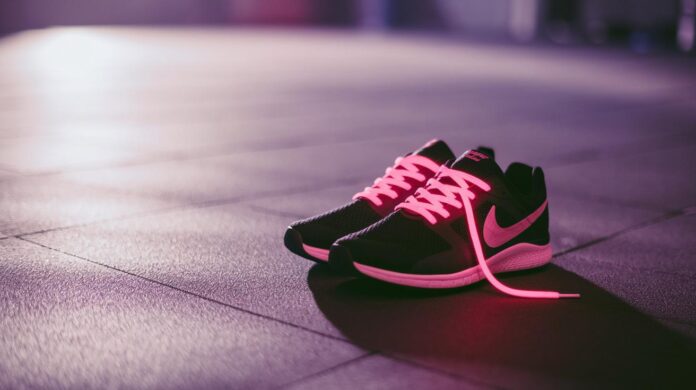

Ever thought your gym shoes might be slowing you down? Many folks feel wobbly when their shoes don’t have enough grip or cushion (that comfy inside that makes walking easier). Indoor workout shoes are made to help you stay balanced during lifts or quick moves. They keep your feet snug so you can focus on building strength. Think of them as your secret helper for a smoother, safer workout. In this post, we’ll show you how the right indoor shoes can really take your gym routine to the next level.
Choosing the Best Indoor Training Footwear for Your Workouts
Dedicated indoor training shoes rock for gym workouts because they’re built just for that. They give you steady support when you’re lifting weights, doing HIIT, or moving side to side. Their flat, firm soles and tight lacing keep your feet locked in place, helping you stay comfortable and safe. Checking out an indoor training sneakers guide can really help when you're sorting through your options.
Running shoes, however, are made for moving straight ahead. They often don’t have the grip or side-to-side stability needed for quick, dynamic moves. This might leave you feeling off-balance or even tired during a hard session. Reviews often point out that running shoes can cause your feet to misalign or feel less secure if your workout changes direction quickly.
Picking the right pair means checking off a few must-haves. First, look at the midsole cushioning (that soft padding inside that takes the shock) – you want it to absorb impacts without slowing you down. Next, the outsole should provide strong grip on everything from rubber gym floors to wood studios. And don't forget forefoot stability for those rapid side moves. A solid indoor training sneakers guide lays out these points so you can pick shoes that move with you. Reviews of gym shoes often highlight these details as making a big difference in performance and endurance.
Key Design Features of Indoor Training Footwear
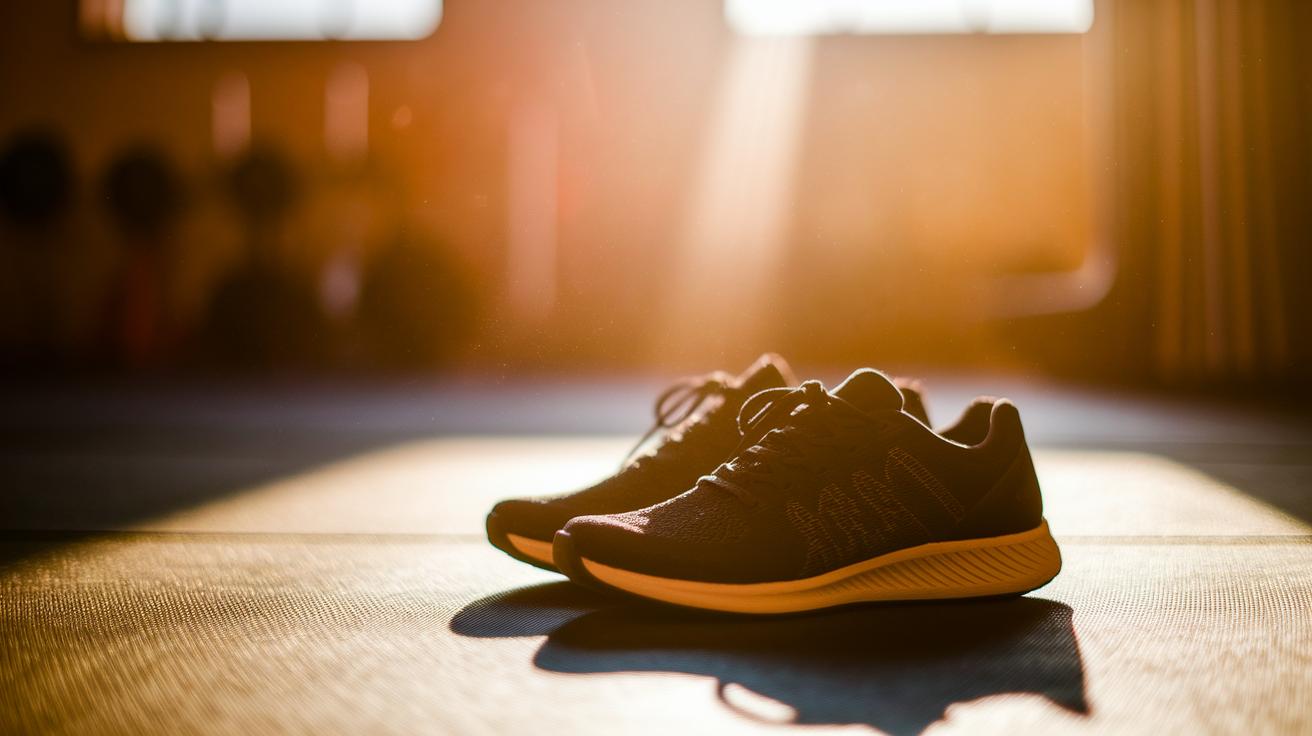
Indoor training shoes have gotten a serious upgrade to help you perform your best during every workout. With the latest in shoe tech for indoor use, the flat and supportive midsole gives you that solid push-off while keeping you balanced during those quick, dynamic lifts. Imagine a design that not only propels you forward but also holds you firm when you change direction quickly. Recent tests even show that a reinforced forefoot really keeps your balance, and a secure lacing system makes sure your foot stays snug during all those fast moves.
Experts agree, these refined details make a huge difference in both how the shoe performs and how long it lasts. Reviews of these gym shoes reveal that a well-structured upper and carefully designed outsole patterns give great traction on gym mats, wooden floors, or even rubber surfaces. One expert even shared, "Adding these smart design touches makes your everyday training feel safer and more effective." It’s all about bringing modern ideas to classic training footwear for a better, sturdier experience.
- Flat-supportive sole geometry
- Forefoot stability reinforcements
- Structured lacing and upper lock-down
- Variable midsole cushioning profiles
- Specialized non-slip outsole patterns
Top Indoor Cross-Training Footwear Picks
If you're hunting for indoor cross-training shoes that mix flexibility with strong support, you’ve come to the right place. We’ve gathered some expert-tested pairs perfect for almost any gym routine. These shoes are built to offer great support whether you’re powering through high-impact moves or sticking to heavy lifts.
| Model | Best For | Key Features |
|---|---|---|
| Nike Free Metcon 6 | HIIT training | Flexible forefoot, stable heel, caution on rope climbs |
| Reebok Nano X4 | Varied workouts | Plush foam, breathable knit upper, durable rubber outsole |
| Nike Metcon 9 | CrossFit & heavy lifts | Solid base, exceptional traction |
| Nike Romaleos 4 | Weightlifting | Firm midsole, wide stable base |
| Nike Air Zoom TR 1 | Cardio sessions | High-energy return midsole, reliable traction |
When it comes to picking your next pair, think about what makes your workout tick. If you’re all about quick, explosive moves like in HIIT sessions, then the Nike Free Metcon 6, with its smooth cushioning (the soft inside that makes every step comfy) and solid support, is a neat choice. And if you’re more into weightlifting or CrossFit, options like the Nike Metcon 9 and Nike Romaleos 4 give you that stable feel you need. Each pair is designed for real gym action, so choose the one that vibes with your workout style and step in with confidence, knowing your shoes will back you up on every move.
Men's vs. Women's Indoor Workout Footwear Guide
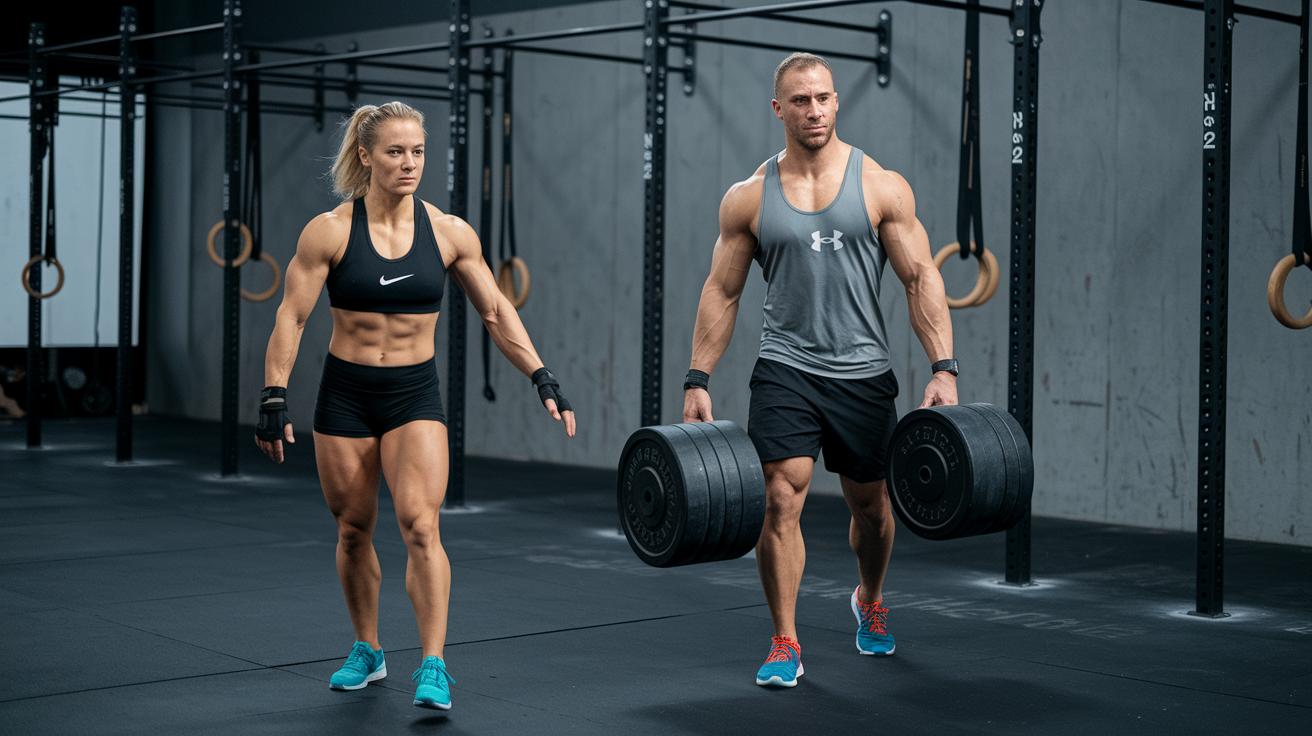
Men and women have different foot shapes and ways of moving, and that changes how shoes are made. Women often have a narrower heel and a wider front, so designers focus on comfort and stability for their gym sneakers. Men's indoor shoes are built tougher to handle a stronger stride and more impact, which works well for their unique needs.
Let’s dive into some top picks. For women, the Nike Metcon 9 really stands out. It’s a favorite because it mixes style with great support. Lots of women’s gym sneakers now come with smart cushioning (that soft padding inside to keep each step comfy) and arch support for high-energy workouts. On the other hand, the UA TriBase Reign 6 is a top choice for men. Its tri-base grip (three-part design that gives you a firm hold) supports dynamic lifts and fast moves. Another option, the Born Primitive Savage 1, is a smart pick if you need a wide fit; it’s perfect for those with flatter or wider feet who want extra room without losing support.
If your usual fit feels too snug, try a wide fit sneaker. And always leave about a thumb’s width of space at the toe so your feet can move freely during any workout.
Indoor workout shoes: Elevate your gym routine
When you're looking for indoor workout shoes, you'll find options that suit every budget. You can grab a solid pair for around $30 that works just as well at the gym as it does for a quick outing. These affordable kicks offer basic cushioning (that soft padding inside that cradles your feet) and firm support to keep you comfortable while you break a sweat.
Then there are midrange options like the Nike MC Trainer 3. Priced at about $80, way lower than the average cost of $116, these shoes boast extra cushioning and a breathable upper that keeps your feet cool. They do a great job for everyday training, even though some might feel a little snug in the middle.
If you're after top-of-the-line performance, premium models such as the Adidas Dropset Trainer 3 at $130, Nike Metcon 9 at $150, and On Cloud X 4 at $149.99 have you covered. They’re designed with advanced support and top-quality materials for those who want every bit of performance and durability during their workout.
Keep an eye out for sales on last-season premium athletic footwear and check out review posts for any time-sensitive discounts that let you score quality shoes without busting your budget.
Fit, Care, and Performance Metrics for Indoor Workout Shoes
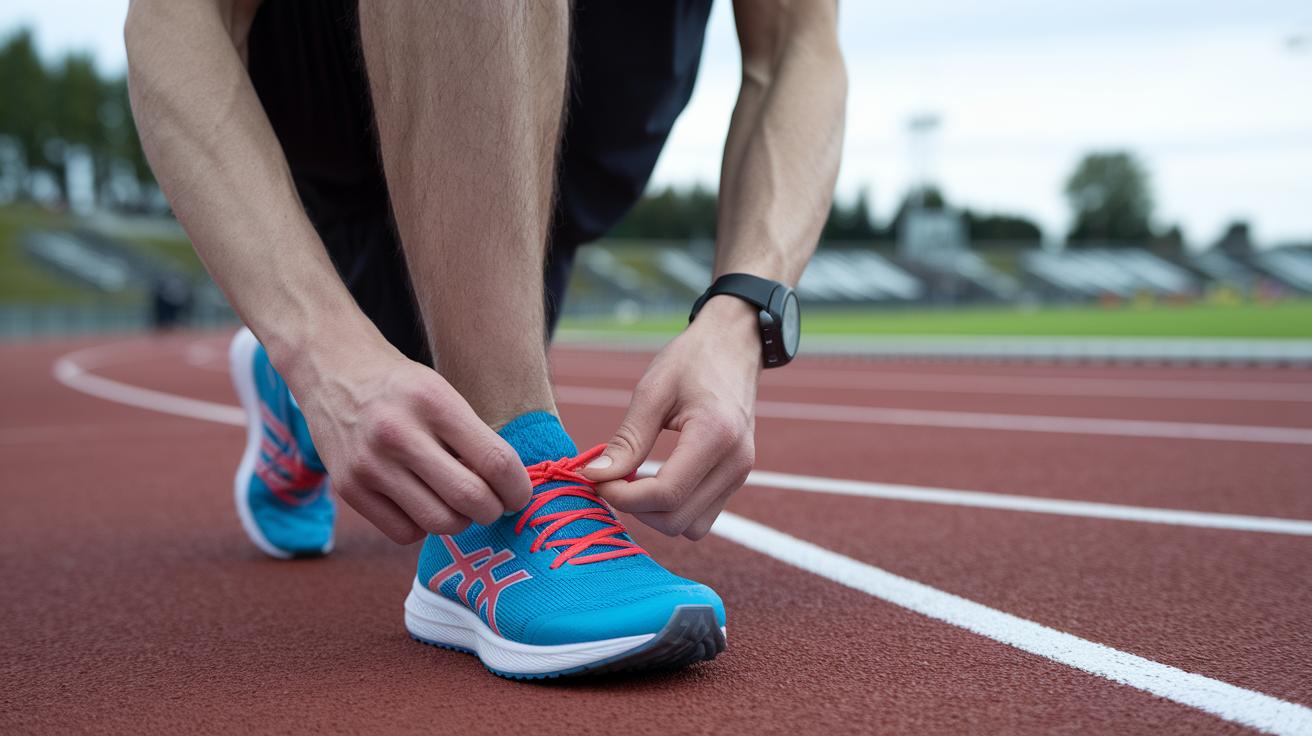
Finding the right fit is key. When you try on your workout shoes, leave about a thumb's width of space at your toe so your feet have room to swell during your workout. This little tip helps your feet stay comfortable and secure, making every step feel just right.
It’s also smart to check on your kicks every now and then. Keep an eye on how the midsole cushioning (that soft padding that makes each step cozy) compresses, and notice any wear on the outsole traction after about 50 to 70 hours of use. These quick checks help you see if your shoes are still in top shape.
After your session, care for your shoes the right way. Wipe them down to clear off sweat and dirt, then let them air-dry at room temperature instead of using heat, which can mess with the cushion. And here's a cool tip: rotating between two pairs each week lets them rest and maintain their structure. With today’s care-friendly materials, many models are designed to last even through the toughest workouts.
Final Words
In the action, we broke down how indoor workout shoes can boost your gym routines with their perfect mix of cushion, grip, and stability. We explored why specialized gym footwear outperforms everyday sneakers for smart moves like lateral drills and heavy lifts. We also touched on the importance of fit tips, care durations, and performance checks to keep your shoes ready.
Step into your workouts with confidence and a smile, it's all about enjoying every step.
FAQ
Q: What are the best indoor workout shoes for weight training, cardio, gym sessions, and for women?
A: The best indoor workout shoes deliver excellent cushioning (a soft, comfortable interior), stability, and support for a variety of gym exercises. Leading brands include Nike, adidas, PUMA, New Balance, Under Armour, and Reebok.
Q: What distinguishes Nike indoor workout shoes from others?
A: Nike indoor workout shoes feature a lightweight design combined with a supportive sole and responsive cushioning to keep your feet comfortable and secure during intense indoor sessions.
Q: What exactly are cross training shoes and how do they help during workouts?
A: Cross training shoes are built to handle a mix of exercises by offering stability for lifting and flexibility for cardio and side-to-side moves, ensuring your feet stay supported through varied movements.
Q: Can I use indoor shoes for gym workouts, home exercises, and everyday house activities?
A: Indoor shoes for the gym and home are designed for a secure grip and consistent support, offering non-slip outsoles that reduce risks during dynamic moves in both settings.
Q: Do podiatrists recommend using indoor shoes for exercise?
A: Podiatrists advise using well-fitted indoor shoes with proper cushioning since they help minimize foot strain and keep your feet aligned, ultimately contributing to a healthier workout experience.