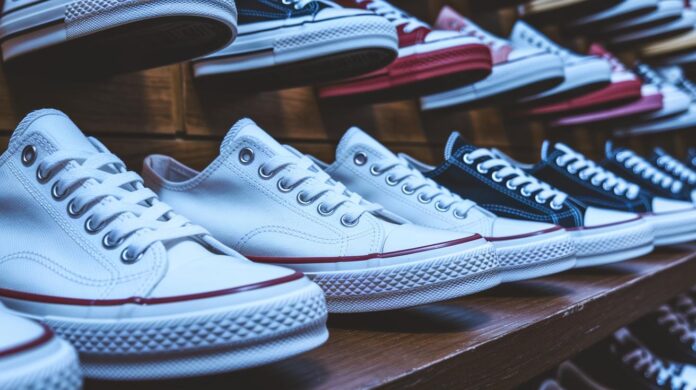

Have you ever wondered how a simple mix of canvas and rubber turned into a style icon? Low top sneakers originally hit the scene to give athletes a light, breezy feel on the field, almost like you’re barely wearing shoes.
They weren’t just gear; they changed our idea of comfort by making every step feel easy and fun. As techniques got better, more people started choosing them because they blended everyday practicality with a clean, no-fuss design.
Today, low tops remind us that sometimes, the simplest styles pack the biggest punch. Isn’t it amazing how a kick of simplicity can totally change your day?
History of low top sneakers: Celebrated Style
Back in the early 1900s, sports shoes started to take on a whole new vibe. Designers moved away from the bulky, high-top styles and switched to simpler, flat shoes made of canvas and rubber. Instead of wrapping your ankle in firm material for extra support, these early low tops gave athletes a lighter feel that let them move freely. It’s wild to think how those first canvas shoes allowed players to sense the ground like they were barefoot, truly letting the game flow naturally.
By the middle of the century, better manufacturing techniques brought even more cool changes to sneakers. Lighter soles and canvas uppers became the norm, thanks to new ways of making shoes that all kinds of people could afford. The first low top sneakers combined practical design with a clean, no-fuss look that quickly won over both athletes and everyday wearers. Imagine a shoe that’s both simple and comfy, a true game changer that doubled as your go-to casual style.
These early innovations set the stage for today’s sneaker culture. Brands like Nike built on that idea, making low tops that let your feet move freely whether you’re on the court or out on the street. Think about how an NBA star once mentioned that models like the Hyperdunk Lows and Kobe signature low tops are tougher than you’d expect, blending function with simple design. It goes to show that sometimes, the simplest styles stick with us the longest.
Early Manufacturing and Vintage Origins of Low Top Sneakers
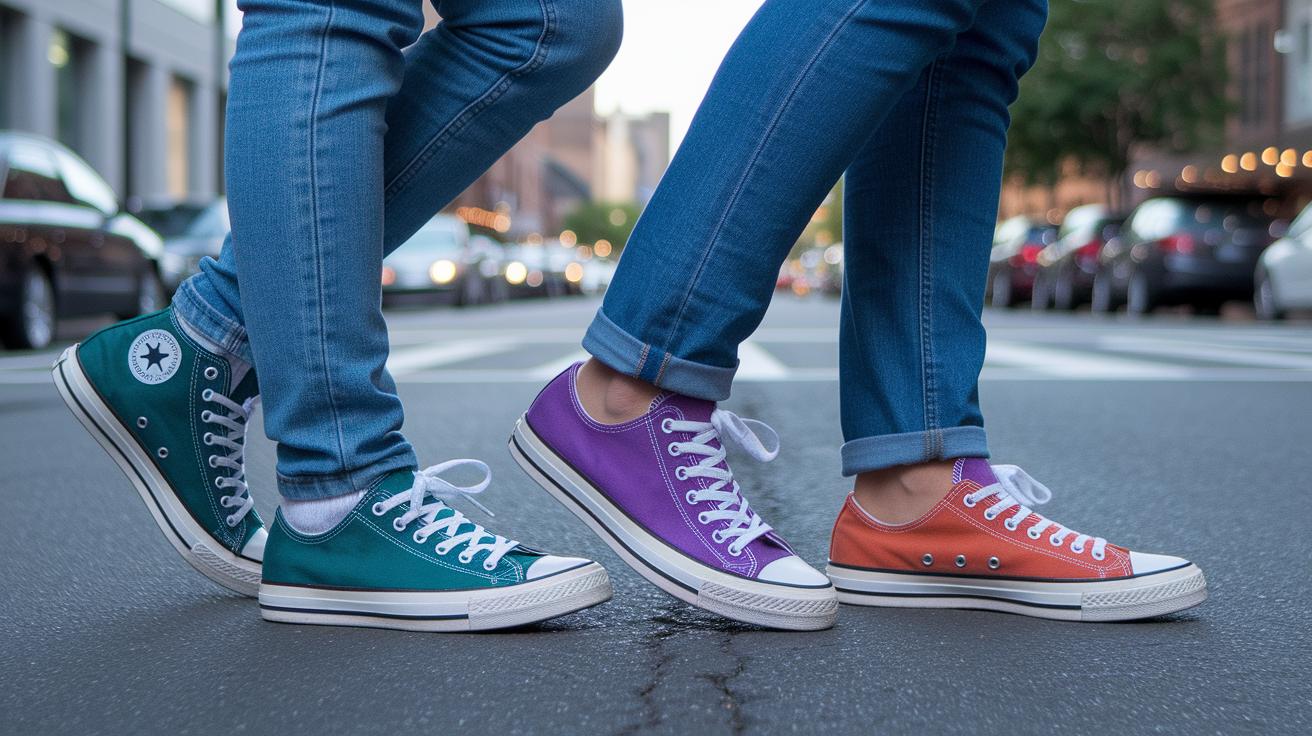
Back in the day, casual sneakers really started to catch on with the creation of plimsolls and basic rubber-soled shoes. These shoes were super simple, made with canvas and plain rubber, and they were perfect for hitting the beach or a quick gym session. They felt light and breezy, quite a change from the heavy, clunky shoes people used to wear. Because they were affordable and easy to wear, they quickly became the go-to for anyone who wanted something simple and comfortable.
Before long, sporty brands realized they needed a shoe that worked both for playing sports and everyday wear. So, they started to tweak their designs, coming up with sneakers that looked fresh and gave you great freedom of movement. This change set the stage for some iconic models that shaped sneaker history:
- 1916 Keds “Champion” plimsoll by US Rubber Co.
- 1917 Converse All-Star Low by Converse Rubber Shoe Co.
- 1930s PF Flyers “Center-O” low top.
- 1949 Adidas Samba Low profile trainer.
- 1952 Vans Authentic vulcanized-sole skate shoe.
Milestone Designs in Low Top Footwear from the Mid-Century
Low top canvas sneakers, like the classic Chuck Taylor All-Star Low, totally changed casual style. They’re built simply with canvas and rubber, which gives you a laid-back feel and a look that never goes out of style. Their easy design set the stage for everyday comfort while also sparking a love for retro, low-profile kicks.
Adidas really made waves during this time with models like the Samba and Stan Smith. These shoes swapped rough, textured materials for smoother leather panels (that’s the clean, polished top part) which added a touch of class. This move gave the sneakers a neat, crisp look that felt both practical and stylish, winning over a lot of fans.
Then came Vans with their skate-inspired twists. Their low tops featured vulcanized soles (a special process that keeps the rubber tough) and extra-strong toe caps to boost durability. These tweaks meant you got a shoe that was rugged yet fresh, perfect for the urban scene. Vans quickly earned a rep for pairing affordable style with real functionality.
In 1995, the Air Jordan 11 IE Low truly broke the mold. It mixed patent leather with ballistic mesh (a high-tech fabric that hugs your foot snugly) to shift from the standard midcut design to a sleeker profile. The “IE” – thought to mean International Exclusive – added a bit of mystery that drew in sneaker fans. Even though it was designed as a casual shoe, a top NBA player rocked them during games, blending style with high performance. Pretty cool, right?
Cultural Evolution of Low Top Sneaker Style

Back in the day, during the early jazz era and on 1940s college campuses, simple shoes with rubber soles were the go-to for everyday wear. Students and young musicians loved these low-profile sneakers for how comfy and easy they were. They left behind stiff, formal shoes for something much more relaxed. Imagine a college scene where live jazz played softly while someone slipped on a worn-in sneaker, you could almost feel the charm and laid-back style.
Fast forward to the 1970s and 1980s, and you'll see how skate and hip-hop movements turned classic sneakers like Chuck Taylors and Vans into true icons. These kicks became a symbol of self-expression and cool rebellion, blending street style with everyday use. Their basic design and tough build made them perfect for showing off a mix of practical flavor and urban edge. In no time, they went from being sportswear basics to must-have pieces on everyone’s street style checklist.
Today, low top sneakers rule the streets. With help from celebrity partnerships and advancements in technology, think models like Nike low tops with new tech cushioning (the soft inside that makes each step comfortable), these shoes are always reinventing themselves. Sneakerheads follow every release closely, turning each drop into a social highlight. Signature models like Hyperdunk Lows and Kobe Lows have shown that these sneakers can transition easily from the court to everyday urban wear. They stand as a perfect blend of sporty heritage and modern relaxed cool, echoing a legacy that mixes athletic spirit with everyday style.
Modern Style Developments in Low Top Sneakers
Back in the 2010s, low top sneakers started getting a cool makeover with super-light knit fabrics and engineered mesh uppers. Think of shoes that feel like a snug, custom sock, thanks to innovations like Nike's Flyknit technology (that means the shoe wraps around your foot like your favorite soft pair of socks). These materials not only cut down on weight but also let your feet breathe easy, kind of like switching from a heavy jacket to a light hoodie on a breezy day. Plus, the engineered mesh kept the shoes looking sharp and durable for everyday wear.
The excitement really spiked with the re-release of the Air Jordan 11 IE Low in the “Light Orewood Brown” colorway. Dropping on October 6 at ShoePalace, this reinvented classic is already turning heads among collectors and sneaker fans. It combines slick patent leather with modern materials that nod to its bold 1995 heritage while bringing a fresh twist to current styles. It’s the perfect mix of nostalgic charm and today’s trend, making it a must-have for anyone who loves a true classic with a modern edge.
Athlete-driven lines like the Kobe Hyperdunk Lows continue to blur the lines between hardcore performance and everyday style. Originally designed for the intense demands of sports, these sneakers have proven tough enough for the court yet cool enough for the streets. With a focus on durability and a smooth, streamlined fit, they’ve set a high bar that many brands now try to match.
Material and Technological Advances in Low Top Sneaker Evolution
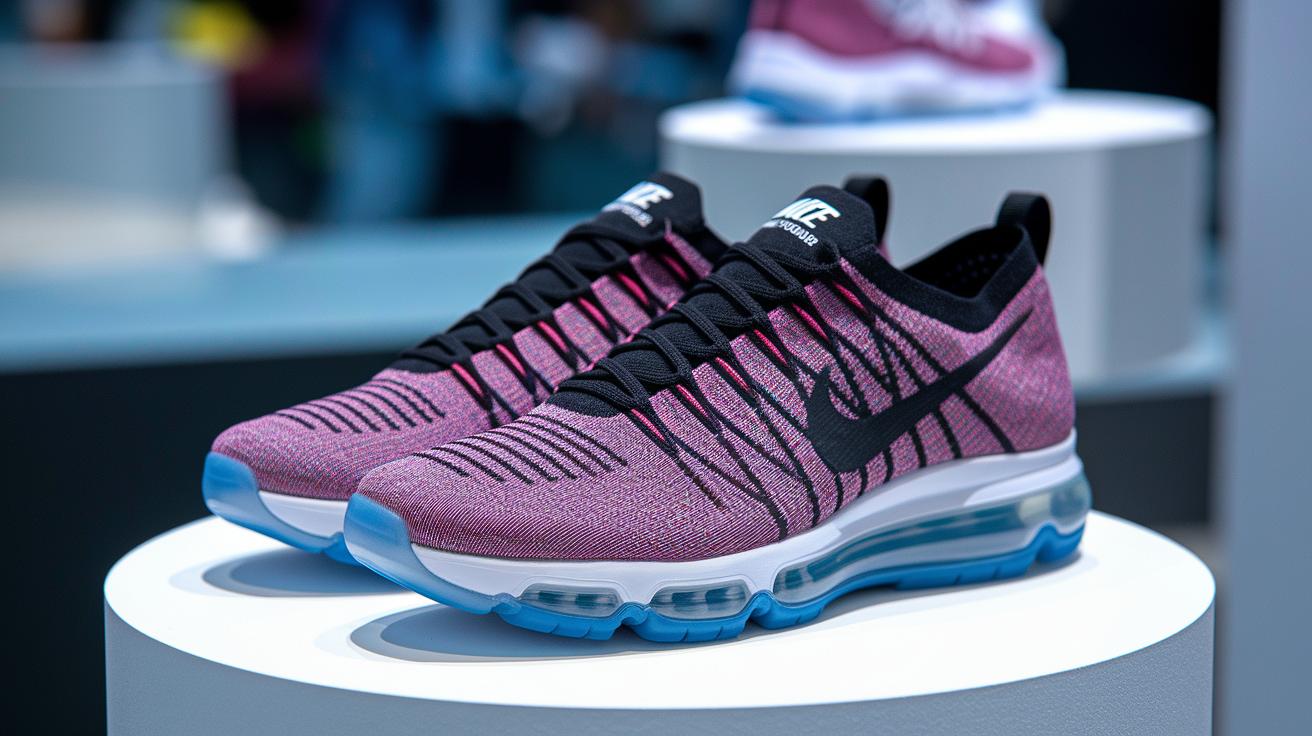
Low top sneakers have changed a lot over the years, thanks to some really cool ideas that boost how they perform and feel. Back in the 1980s and 1990s, shoe makers started using new, lightweight materials like EVA foam (a squishy material that cushions your step) and TPU foam (a bouncy, flexible plastic). These added soft cushioning that made every step feel noticeably different for athletes and everyday wearers.
Soon after, designers brought in mesh panels to let your feet breathe and move freely. It's like having little air vents built right into your shoes. Then, in 2012, Nike dropped the Flyknit upper, a woven design that clings to your foot like a second skin while cutting down on fabric waste. Cool, right?
These changes turned basic sneakers into high-tech gear made for comfort, movement, and modern style. Each update shows how brands keep pushing to make shoes more durable and comfy without skimping on style. It's pretty amazing to think about how each upgrade not only brings a touch of history but also sets the stage for even better kicks in the future.
| Technology | First Introduced | Impact |
|---|---|---|
| Vulcanized Sole | 1920s | Durable grip & flexibility |
| EVA Foam Midsole | 1970s | Lightweight cushioning |
| Flyknit Upper | 2012 | Sock-like fit & reduced waste |
Each new innovation makes you feel like you're stepping forward into a future where sneakers are as stylish as they are smart. Ever notice how the right pair can change your whole day?
Final Words
In the action, we traced the evolution from early rubber-soled plimsolls to cutting-edge Flyknit designs that shape today's style. The blog shared key insights on how classic models paved the way for modern sneakers, showing how technology and design have refined our daily wear. It was all about understanding the rich history of low top sneakers and enjoying the experience of exploring both past innovations and current trends. Keep stepping out feeling fresh and confident, knowing your style history is as deep as it is cool.
FAQ
What is the history of low top sneakers and sneakers timeline?
The history of low top sneakers began with early rubber-soled plimsolls that evolved into versatile, everyday shoes, marking a timeline of design breakthroughs and cultural shifts.
What does a history of sneakers book cover?
A history of sneakers book covers the evolution of shoe designs, exploring how simple rubber-soled models transformed into iconic styles embraced by sports and streetwear cultures.
What was the first sneaker brand?
The first sneaker brand introduced rubber-soled shoes for athletic use, setting the stage for later names like Converse and Keds that reshaped sports footwear.
What are 10 fascinating facts about sneakers?
Ten fascinating facts about sneakers include their humble beginnings as simple plimsolls, the impact of design innovations, and their rise to become symbols of both sports performance and cultural style.
What were the first sneakers ever made?
The first sneakers ever made were basic rubber-soled plimsolls designed for comfort and practicality, a concept that evolved over time into modern athletic shoes.
When did sneakers become popular?
Sneakers became popular in the early-to-mid 20th century as their lightweight design and casual appeal resonated with both athletes and everyday wearers.
Why are they called sneakers?
They are called sneakers because the soft rubber soles allow quiet, almost stealthy steps, much different from the noisier footsteps of traditional shoes.
When did basketball players start wearing low tops?
Basketball players began wearing low tops in the mid-20th century when the lighter, ankle-friendly designs improved on-court movement and performance.
What does a low top sneaker mean?
A low top sneaker means a shoe with a shorter cut that offers more ankle mobility, making them ideal for active sports as well as everyday casual wear.
Why do NBA players wear low tops?
NBA players wear low tops for their lightweight design, which provides better foot flexibility and responsiveness essential for fast-paced gameplay.
What do you call low top sneakers?
Low top sneakers are often called plimsolls or casual shoes, reflecting their simple design and versatility for both sport and everyday style.
What terms describe casual athletic footwear?
Casual athletic footwear includes sneakers, plimsolls, shoes, boots, and even sandals—a mix that covers everything from sporty kicks to laid-back street styles.