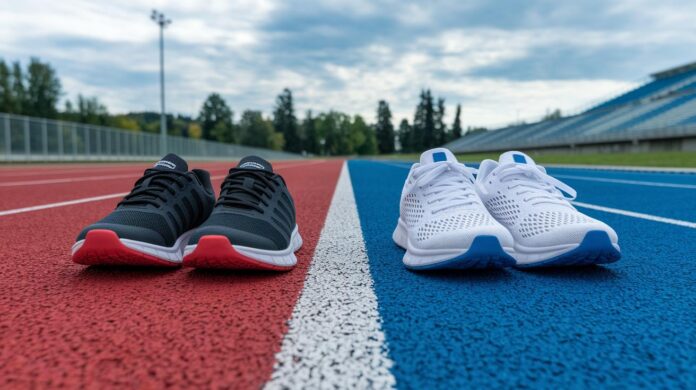

Ever thought your shoes might hold you back at the gym? Whether you’re lifting weights or running outside, your shoes work hard for you. Workout sneakers help with quick side moves (think of them as your nimble sidekick), while running shoes bring a gentle, steady comfort to every stride.
It’s like using a specialized tool for a specific job. Each pair of shoes has its own role, and picking the right one can really up your game. So next time you’re gearing up, make sure your shoes are supporting your every move and keeping you feeling strong.
Workout Shoes vs Running Shoes: Boost Your Performance
When it comes to staying active, workout shoes and running shoes each have their own role. Workout shoes, also known as cross-training shoes, are built for lateral moves, quick pivots, and sudden shifts. They usually offer extra cushioning in the forefoot (that soft pad near your toes that makes quick moves more comfortable), which makes them perfect for high-intensity gym sessions, weightlifting, and agility drills.
Running shoes, however, are designed primarily for moving forward. They feature extra padding in the heel and a higher heel-to-toe drop, which creates a stable base to absorb impact when you’re on a longer run. Plus, their breathable uppers help keep your feet cool, even when the miles add up.
Here’s a quick recap:
- Cross-training shoes give you stability for rapid side moves.
- Running shoes add more cushioning in the heel to help ease each stride.
- Running shoes also have a higher heel-to-toe drop to promote forward motion.
- Workout shoes pack extra forefoot padding for comfort during dynamic movements.
- Using the wrong type of shoe might lead to discomfort, slow you down, or even increase your risk of injury.
Choosing the right pair is crucial. If your workout is full of quick cuts, jumps, and changes in direction, workout shoes provide the flexibility and support you need. But if you’re gearing up for a run longer than 3.1 miles (5 km), a good pair of running shoes, with responsive cushioning and shock-absorbing features, will keep you steady and safe.
So, match your shoes with your activity and enjoy a workout that feels just right for your feet and your performance.
Design Differences in Workout Shoes vs Running Shoes
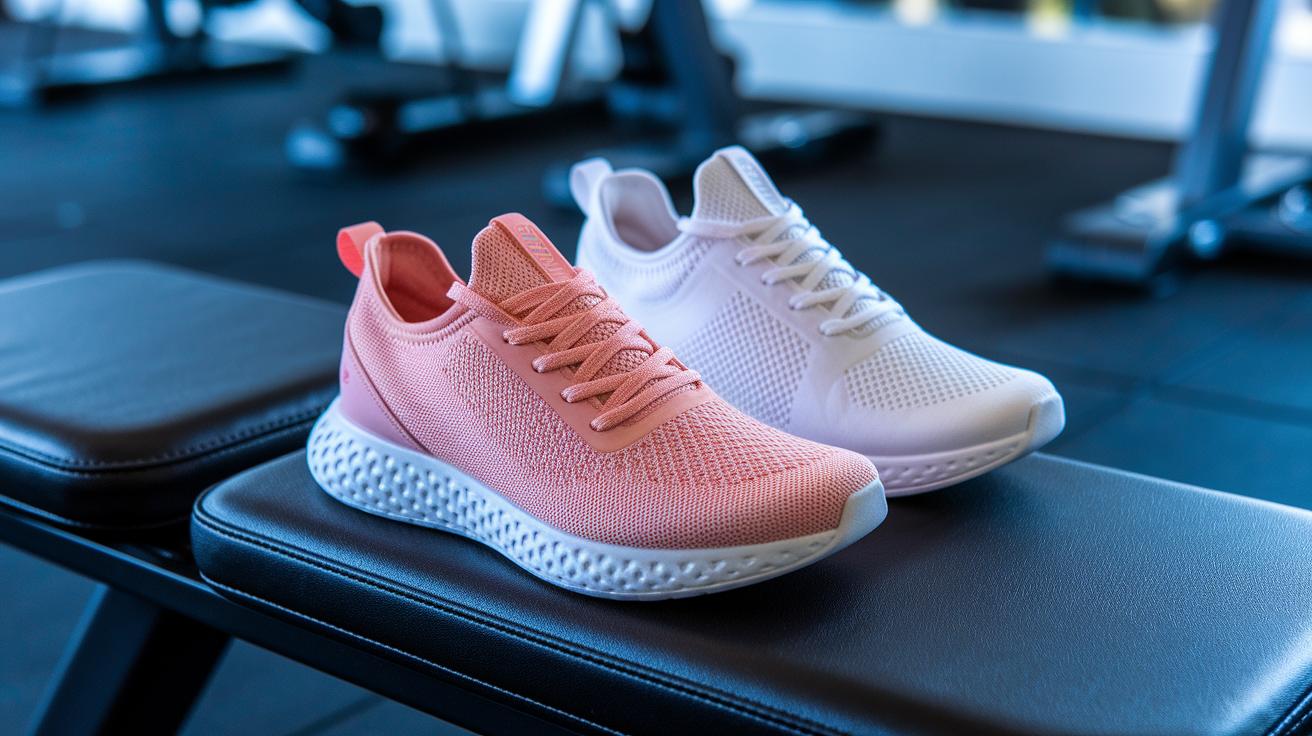
When it comes to picking the right pair, design really makes a difference. Workout shoes are made to move with you during side-to-side motions, featuring super flexible soles and extra cushioning right at the front to handle those fast pivots. Running shoes, on the other hand, focus on that forward stride. They come with firmer midsoles (that’s the layer that absorbs shock), a deeper heel drop, and uppers designed to keep your feet cool and secure for long runs. It’s all about matching the shoe to your move, so you feel comfortable and safe every step of the way.
| Feature | Workout Shoes | Running Shoes |
|---|---|---|
| Movement Direction | Side-to-side | Forward motion |
| Sole Flexibility | Highly flexible | Firm midsoles (midsoles help with shock absorption) |
| Heel-to-Toe Drop | Lower drop | Higher drop |
| Cushioning Location | Front cushioning | Cushioning in the heel |
| Support Focus | Side stability | Forward support |
| Upper Material | Durable fabric layers | Breathable mesh |
These design choices aren’t just for show, they help boost your performance and keep injuries at bay. The side grip and flexible sole of workout shoes give you better stability during quick pivots, while the running shoe’s design is tuned for handling forward impact. So next time you’re choosing a pair, think about what kind of moves you’re making. It’s all about finding that perfect fit to power your workout and keep you feeling confident with every step!
Cushioning and Support: Workout Shoes vs Running Shoes
When you’re getting ready for a workout or a lively run, comfort is the name of the game. Both workout shoes and running shoes have cool cushioning technology to keep your feet feeling great, but the newest updates add some extra magic. Today’s innovations include smart cushioning that adapts to your foot strike and clever designs built on what we know about how our feet move.
- Workout shoes now come with advanced forefoot cushioning made from responsive foam that adjusts in real time when you change directions. It’s like your shoes know just what you need.
- Trainers with a low heel drop have dynamic shock units that help stabilize your foot during side-to-side moves. Early basketball players actually noticed how these designs cut down on quick strain.
- Running shoes feature improved midsole materials, giving you better shock absorption that goes far beyond a basic foam layer.
- The new heel cushioning in running shoes uses smart technology to adapt to the different forces you put on your feet throughout your run, making each step smoother.
- And with refined heel-to-toe angles based on biomechanical research, these shoes work to reduce stress while keeping your foot alignment on point.
These smart updates do more than just boost comfort, they help lower the risk of discomfort and injuries, ensuring your workout or run stays smooth and safe every step of the way.
Durability and Traction: Workout Shoes vs Running Shoes
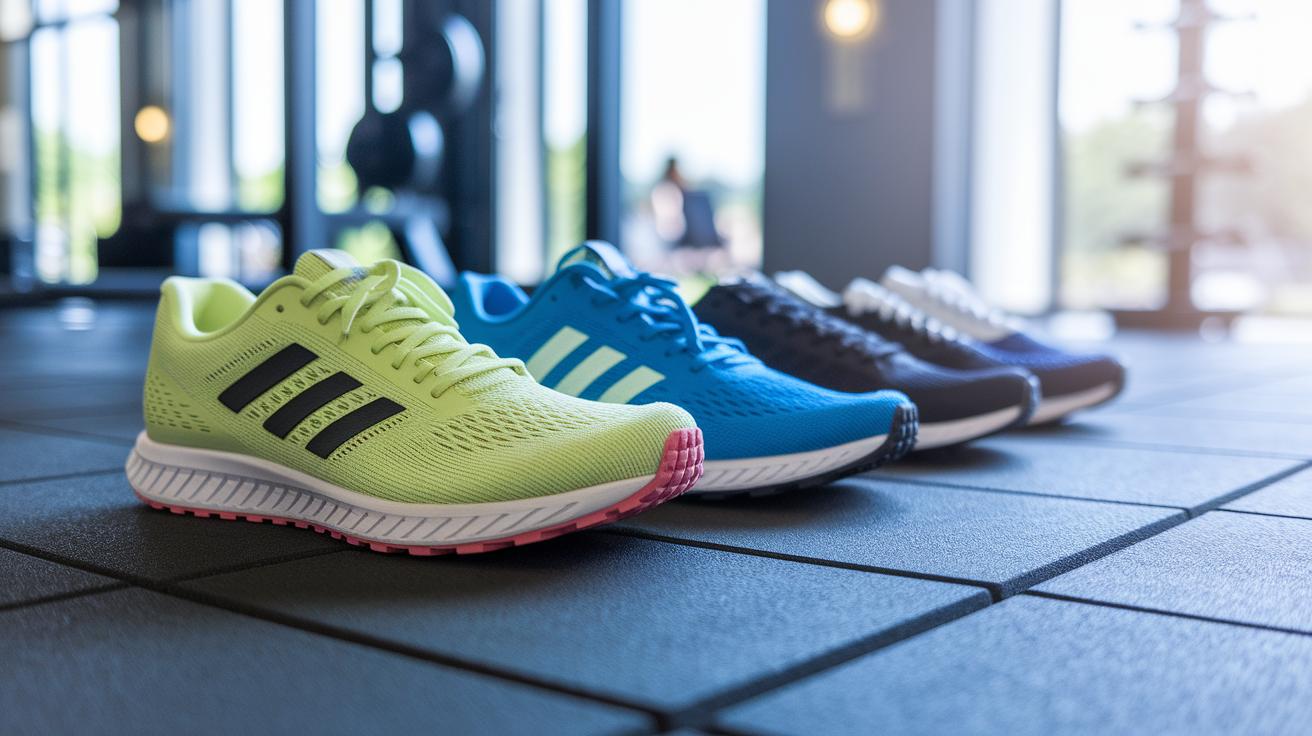
Workout shoes are made for busy gym days and quick, side-to-side moves. They come with tough outsoles and extra-strong fabrics that can handle slippery floors and sudden changes in direction. These sneakers focus on grip and stability, keeping you steady even when you're really on the move. Some pairs, like a few versions of the Reebok Nano and On Cloud X, mix up grip styles to power through short bursts of action, but don’t expect them to last on long runs.
On the other hand, running shoes are built for long distances. They sport patterned rubber outsoles designed for roads, trails, or tracks, and most can go the distance for 300 to 500 miles. This makes them perfect if you're a runner who loves a long jog or a daily run. While some models try to be a bit of both, choosing a shoe made just for your specific activity means you get the best performance and extra durability. Every little detail matters.
Activity Scenarios for Workout Shoes vs Running Shoes
High-Intensity Gym Workouts
When you're powering through a tough gym session, these workout shoes really hold it down. They’re designed to give you solid side-to-side stability so you can make quick pivots with ease. Picture yourself in a circuit drill where each explosive move demands a firm grip. Ever notice how a good pair of shoes makes even the toughest workout feel a bit more doable?
Interval and Sprint Training
For interval and sprint training, hybrid shoes combine stability with quick, responsive action. They’re built for those short bursts when you need to switch speeds fast instead of settling into a long run. I love that feeling when every quick sprint propels me forward, like my shoes are right there with me, keeping up every step of the way.
Long-Distance Running
When it comes to long-distance runs, running shoes focus on endurance and support over extended efforts. They’re engineered to help transfer your energy efficiently, so your run stays smooth mile after mile. It’s like each step is cushioned perfectly, keeping you comfortable and ready to go from start to finish.
Choosing Your Perfect Pair: Workout Shoes vs Running Shoes Guide
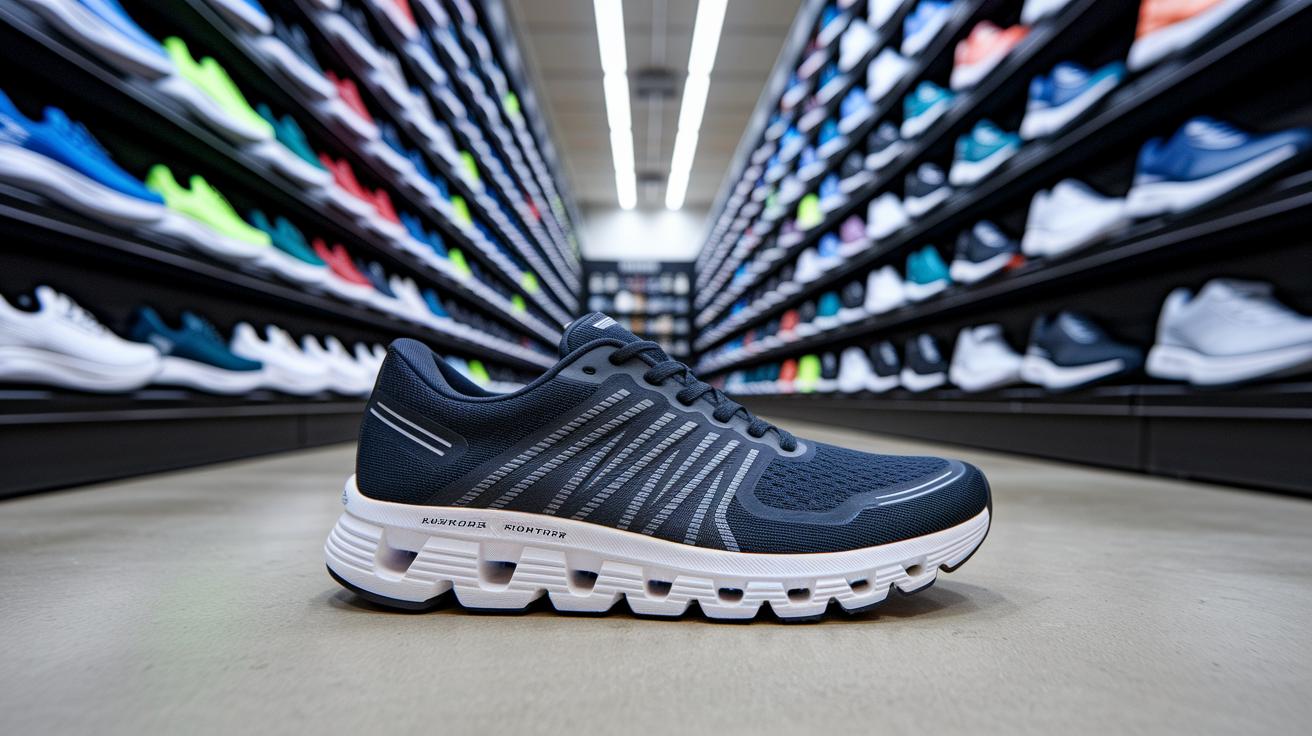
If you run more than 5 km often, go for running shoes that offer extra cushioning in the heel and a higher drop (cushioning means the soft pad that helps absorb shock). For those who mix up workouts with both cardio and strength moves, cross-trainers can be exactly what you need. Think of picking your shoe like choosing the perfect tool for a specific job, it should feel natural and comfy, like an extra boost with every step.
Take a good look at your foot shape, too. Your arch (that curved part on the inside of your foot) and how your foot rolls (natural roll called pronation) play a big role in which shoe will work best for you. It’s not just about techy details, matching your shoe to your own foot structure can really ramp up your comfort and cut down on strain, much like tuning up your favorite machine.
And don’t forget to give the shoes a test run. While you're in the store, walk around a bit to check if the heel feels locked in, if your toes can spread out naturally, and if the midfoot support is just right. Even a short walk around the store can show you if the pair really has what it takes to support your moves.
Final Words
In the action, we compared design elements, cushioning systems, durability factors, and real-world activity scenarios for workout shoes vs running shoes. We broke down how each style supports various movements and step-specific needs.
Every detail, from lateral support for gym moves to enhanced heel cushioning for long runs, can make a big difference in comfort and performance.
Finding the right pair gives you a boost of confidence and keeps you on track, knowing your shoes are built for your unique routine. Enjoy stepping out in style!
FAQ
What is the difference between workout shoes and running shoes?
The difference between workout shoes and running shoes is that workout shoes are built for lateral moves and gym drills with extra forefoot cushioning, while running shoes focus on forward motion with enhanced heel cushioning for long distances.
Are training shoes suitable for both running and walking?
Training shoes are designed for quick, multi-directional moves, making them decent for walking and short runs; however, they may lack the specialized cushioning found in running shoes, which is ideal for extended runs.
Which shoes work better for daily use: training shoes or running shoes?
It really depends on your routine—training shoes are great for varied gym workouts and casual walking, while running shoes offer superior comfort and support for longer, repetitive running sessions.
What are training shoes used for and who should consider them?
Training shoes are built for gym workouts, HIIT, and agility drills by providing stability and forefoot cushioning, making them a solid option for anyone looking to mix up their fitness routines, including women.
Are running shoes and workout shoes interchangeable during workouts?
Running shoes provide excellent support for forward strides but often lack the lateral stability needed for diverse workouts, so using them for gym sessions may not offer the ideal support for multi-directional movements.
Where can I shop for a variety of training and running shoes?
You can explore a wide range of options at stores like Dick’s Sporting Goods, Foot Locker, Walmart, or by checking major brands such as adidas and Nike, which offer numerous models designed for specific needs.