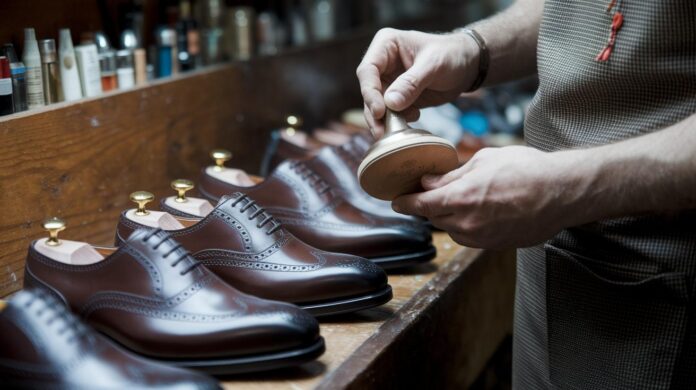

Ever wonder if your custom shoes are getting the care they need? Taking good care of them isn’t just another chore. It’s the secret to keeping leather soft, suede cozy (suede is a soft, napped leather), and those exotic skins looking sharp.
Imagine treating your shoes like you would a good friend. Every material in them deserves a bit of special attention, so they keep impressing you day after day. In this guide, we lay out easy steps and handy tools to help you keep your favorite pair in perfect shape.
Essential Care Kit and Routine for Bespoke Shoes
Taking care of your custom shoes is a must if you want them to look their best. With a good care kit at hand, it's easier to keep the soft feel of leather, the cozy texture of suede, and that special finish on exotic skins just the way you love it. A little daily care stops dust from settling and helps your shoes hold onto their original shape.
A simple routine can make all the difference. Each day, grab a soft horsehair brush to gently sweep away loose dirt, and every time you take your shoes off, pop in a cedar shoe tree (it helps them keep their form). Then, once a week, give them a bit more love with a microfiber cloth that's just a bit damp and a touch of neutral leather cleaner. This quick clean-up keeps your shoes looking fresh without overdoing it.
- Soft horsehair brush
- Microfiber cloth
- Neutral leather cleaner
- Suede brush with eraser
- Exotic-skin conditioner
- Cedar shoe trees
Always try any new cleaning product on a small, hidden spot first to make sure it doesn't change the color or texture of your shoes. If you notice deep scratches or tears that go beyond everyday wear, it might be a good idea to chat with a cobbler who knows custom footwear inside out. Stick to your routine, and your bespoke shoes will not only look fantastic but stay ready to impress every time you step out.
Material-Specific Bespoke Shoe Maintenance
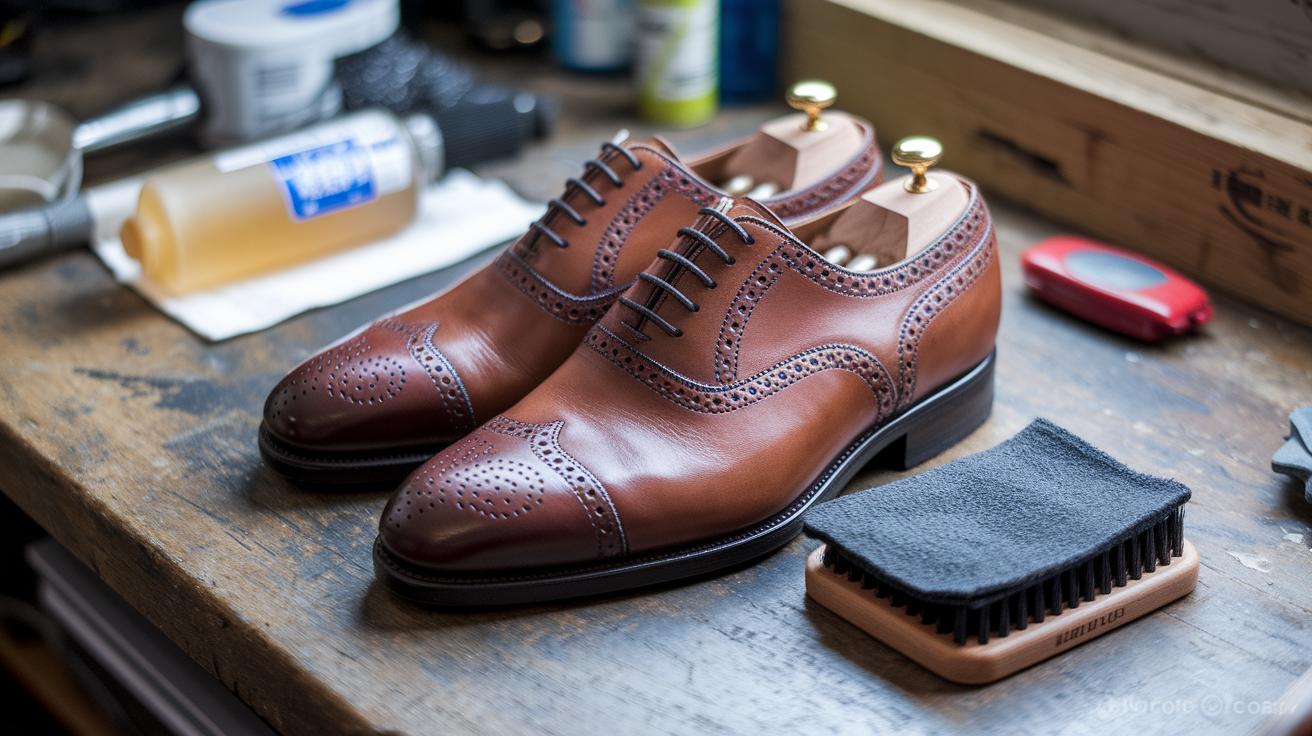
Taking care of your custom kicks means matching the right cleaner to each material. If your shoes are sometimes smooth leather, suede, or even fancy skins like alligator or ostrich, then using the right care product really makes a difference. For smooth leather, start with a leather cleaner, follow up with a cream conditioner that feels like a soft, nurturing hug, and finish with a polish that keeps its natural color true. Suede needs an extra gentle touch, a soft suede brush and eraser work to lift away stubborn stains while keeping moisture away. And for those exotic skins, a special conditioner worked in with a soft cloth works wonders; just make sure you follow the product’s instructions.
| Material | Recommended Product | Care Frequency |
|---|---|---|
| Smooth Leather | Leather cleaner, cream conditioner, matching polish (see tips for maintaining leather dress shoes) | Weekly |
| Suede | Suede brush with eraser (refer to how to clean suede dress shoes) | Weekly |
| Exotic Skins | Specialized conditioner using a soft cloth | Monthly |
Also, steer clear of household cleaners or harsh chemicals on your bespoke materials. They can mess with the color or texture and ruin that unique finish you love. Stick with products made just for each material so your shoes always look fresh and feel right, like they were meant to be your favorite pair on a perfect day.
At-Home Repair Techniques for Custom Footwear Restoration
For little scuffs, start by giving the spot a good clean to wash away any dirt. Then, dab on a bit of leather filler and mix in a matching dye so it blends into your shoe. Once the filler dries, gently buff it with a soft cloth until it feels smooth. This trick works great when you need a quick fix for those small imperfections.
When a sole starts to come loose, grab some quality contact cement (a lot of folks like using Barge) and spread it evenly on both the shoe and the sole. Press them together carefully and clamp the pair under even pressure for about 24 hours so everything bonds nicely. It’s the perfect fix when you need something strong and long-lasting.
For fixing any stitch problems, try to match your thread color to your shoe as closely as you can. Hand-sew the damaged area with tough, waxed thread, making sure to reinforce any weak spots to stop future tears. This neat stitch repair can really bring your shoes back to life.
If you spill something on your shoes, blot the area right away with a clean cloth. For water stains, wipe gently with a damp microfiber cloth to lift the moisture off. And if you’re dealing with an oil spill, it might be best to get a professional’s advice to avoid more damage.
Preventative Measures to Preserve Handcrafted Shoe Quality
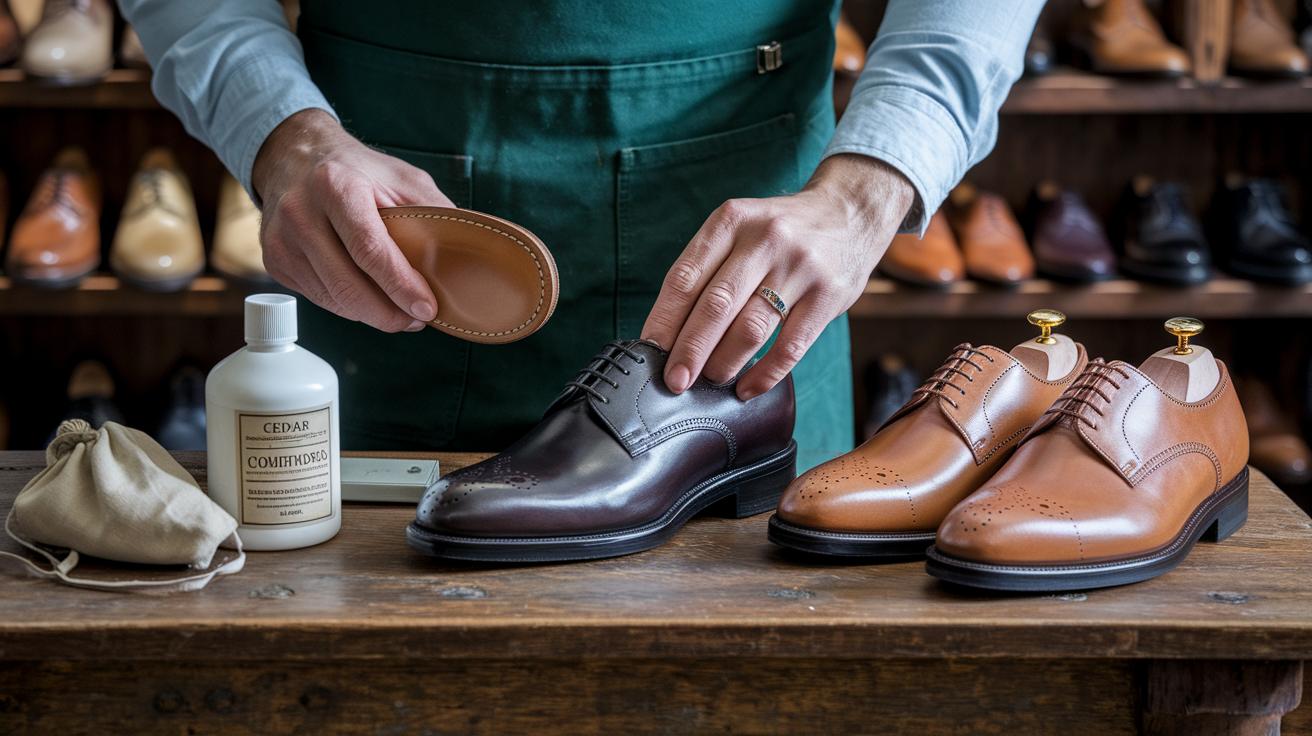
To keep your custom shoes in tip-top shape, try sticking to a regular care routine. Every few months, about every three, you can use a gentle moisturizer on your leather shoes to keep them soft and prevent them from drying out. It’s like giving your shoes a cool drink, making sure they feel comfy every time you step out.
Next up, waterproofing. When you’re dealing with nubuck and suede (those soft, velvety materials that need a little extra love), spray on a protector before rainy seasons roll in. This spray acts like a shield, helping to ward off water damage and keeping stains at bay so the unique texture of your shoes stays intact.
Don't forget about proper storage either. After wearing your new kicks, pop them on cedar shoe trees and tuck them into breathable dust bags. This simple trick helps manage moisture and even keeps pests away, so your shoes maintain that fresh-from-the-box look.
And lastly, take a moment each month to check your shoes for little issues, like loose stitching, worn-out soles, or even a slight crack in the heel. Catching these early means you can handle them right away, keeping your beloved handcrafted shoes in great shape for a long time to come.
Choosing a Skilled Cobbler for Bespoke Shoe Overhaul
When you're on the hunt for a cobbler, start by checking out local reviews and looking at sample work. Ask your friends or browse feedback online to see how detailed and careful they are with their repairs. This way, you'll know you’re entrusting your beloved shoes to someone who really cares about the craft.
It’s smart to request a clear cost breakdown for services like replacing soles (that comfy base underfoot), refreshing heels (restoring balance and style), or mending the stitches. A detailed estimate not only helps you plan your budget but also shows exactly what you're paying for. And by discussing how long the work will take, you can avoid surprises later on.
Don't forget to ask about warranties and quick-fix options, especially for larger projects. Knowing if your cobbler offers follow-up care or can handle any sudden issues after the repair gives you peace of mind. This little extra step ensures that your treasured footwear stays in great shape and continues to bring you joy every time you wear them.
Final Words
In the action, we explored everything from building a dedicated kit for your prized pairs to matching the right products with each material. We touched on at-home repair fixes and proactive upkeep steps, ensuring your kicks stay fresh and comfortable. We even discussed when it’s best to trust a skilled cobbler with serious issues. Embrace these tips for your bespoke shoes care and repair, and enjoy the confidence that comes with shoes that look great and feel even better. Happy stepping in style!
FAQ
What is the typical cost for bespoke shoe care and repair?
The typical cost for bespoke shoe care and repair depends on the job’s complexity and materials used. Minor fixes may be relatively affordable, while extensive restoration can command a higher price reflecting expert craftsmanship.
What are the best bespoke shoe shops in London, including around St James?
The best bespoke shoe shops in London, especially in areas like St James, offer personalized fittings and handcrafted quality. They provide expert advice and unique designs tailored to your style and comfort.
How do I restore leather shoes at home?
Restoring leather shoes at home starts by cleaning with a damp microfiber cloth and gentle leather cleaner. Then, using a conditioner and color-matching dye helps revive and protect the leather’s natural look.
What are John Lobb bespoke and custom shoe prices like?
John Lobb custom shoes come with premium pricing that reflects fine materials and expert craftsmanship. The final price varies with customization and design details, ensuring a unique and personalized pair.
How can I find quality shoe repair near me?
Finding quality shoe repair nearby involves checking local directories and seeking recommendations from shops that specialize in bespoke footwear. These reset partners usually have the skills needed for detailed restorations.
How can I fix leather shoes that are peeling?
Fixing peeling leather shoes involves cleaning the affected area and applying a leather filler with a matching dye. This treatment helps restore the shoe’s finish, though severe damage might require a professional’s touch.
Is it cheaper to repair shoes or replace them?
Repairing shoes is often more cost-effective, especially when dealing with quality, bespoke footwear. Restorative work can extend the lifespan of a favorite pair, saving money and maintaining cherished style.
What exactly is a bespoke shoe?
A bespoke shoe is a custom-made pair crafted to your exact measurements and style preferences. This personalized approach ensures a truly unique fit and design that speaks directly to your taste.
Is it worth getting shoes repaired?
Getting shoes repaired is worth it when you consider the value of maintaining quality footwear. Repairs can extend their life, retain a personal style, and often prove to be a money-saving alternative to replacement.