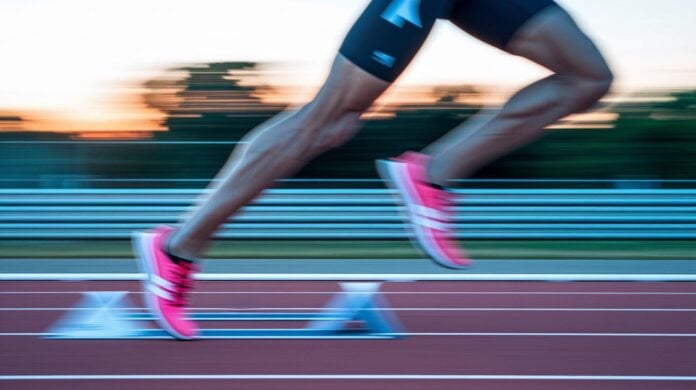

Ever feel like your shoes are slowing you down on the track? Imagine a pair that moves with you and even gives you a little extra push when you need it most.
We’re talking about running shoes for sprinters that mix speed, comfort, and a grip you can count on. These sneakers are built to make every quick burst feel easy and fun. Real runners say the design works wonders, and that the right pair could be your secret edge on race day.
Best Running Shoes for Sprinters: Expert Top 7 Picks for Speed
Under Armour Sprint Pro 3 kicks things off with a super breezy upper that runners can’t stop talking about. It performs great whether the track is wet or dry, giving you real traction and a lively boost with every step.
- Pros: Great grip, light as a feather, really responsive.
- Cons: They might feel a bit tight if you don't pick the right size.
Nike Rival Sprint is another winner that uses four special pins to lock in precise traction. It’s like having a little boost of confidence with every sprint, perfect for those who need an aggressive grip out of the gate.
- Pros: Fantastic grip for quick starts, snug and supportive fit.
- Cons: With only four pins, some might find the stability a bit off.
New Balance Sigma Harmony Sprint lets you swap out its pins based on the track conditions. It’s been put to the test so many times that it strikes a neat balance between speed and control.
- Pros: Custom fit with adjustable grip, balanced cushioning keeps your feet happy.
- Cons: Changing the pins can get a bit fiddly sometimes.
Nike Women’s Vaporfly 3 Road Racing (model DV4130-102, White, Size 10) is famous for its ZoomX foam cushioning that springs you forward with every push. It feels like you’re getting extra energy right at toe-off, almost like a secret power-up.
- Pros: Explosive power when you push off, top-notch energy rebound.
- Cons: It comes with a higher price tag, but you get what you pay for.
Nike Streakfly is all about being feather-light, ideal for those races where even a tiny bit of weight counts. It might not have loads of cushioning, but when you need to accelerate, it shines.
- Pros: Super light, helps you speed up fast.
- Cons: Has less cushioning, so it might not be the best for longer, tougher workouts.
New Balance FuelCell SuperComp Elite v3 packs a plush midsole with FuelCell cushioning that handles high-impact sprints like a champ. It gives extra push at toe-off and stays solid even when the pressure is on.
- Pros: Boosts your push-off power, very stable under pressure.
- Cons: Wear and tear might show after a lot of use.
ASICS Magic Speed 3 wraps up the list with a blend of responsive design and a comfy build. It’s great for quick, agile moves and offers a balanced mix of cushioning and support.
- Pros: Even cushioning with solid support, responds reliably with each step.
- Cons: Its classic fit might need a little tweaking to hit that perfect comfort level.
Key Features to Look for in the Best Running Shoes for Sprinters
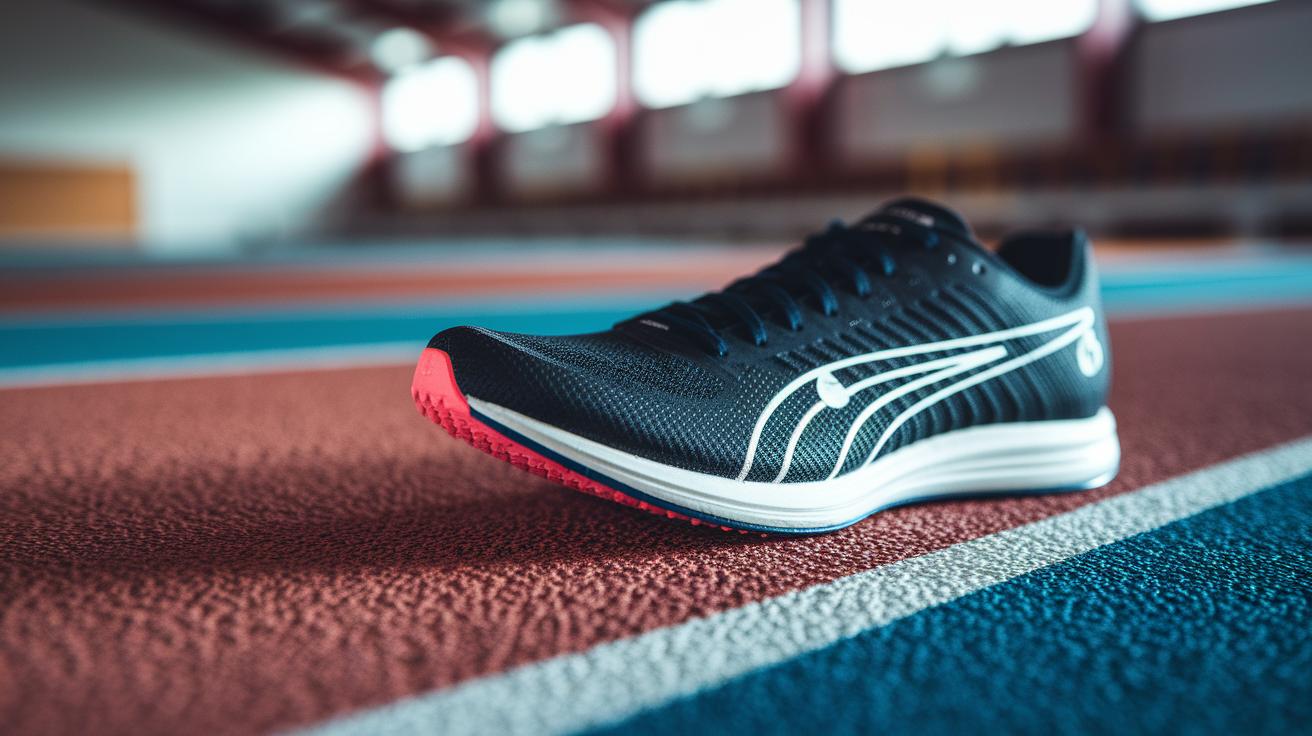
When you're checking out running shoes for sprinting, the first thing you'll notice is how feather-light they are. Imagine indoor sprint shoes weighing just about 256 grams. That low weight lets you pivot in a flash and saves energy with every step. Plus, a built-in carbon plate gives you that extra burst as you push off the ground, kind of like a quick energy boost.
Then, there’s the energy-return foam, like Nike ZoomX or NB FuelCell (that's the soft material that soaks up impact and bounces it right back). It makes your run feel punchy and steady, keeping you at top speed all the way to the finish. When you're comparing models, look out for cushioning that feels springy yet supportive, it's all about that perfect balance.
Spike setups are another big deal. Some shoes have 7 pins while others have 9, each offering a different grip on synthetic tracks. A lower center of mass can help you keep your balance, making quick turns feel smoother, while a snug heel cup keeps your foot secure and a flexible forefoot lets your natural stride take over in those high-speed sprints.
Lastly, check out the numbers that show improvements in toe-off force and grip during those first bursts of speed. Think of every detail, from weight to foam type, as a piece of a finely tuned machine that makes for a fast, reliable, and fun sprinting experience.
Sprint Spikes vs Racing Flats in Your Best Running Shoes for Sprinters
Ever noticed how sprint spikes seem built just for lightning-fast bursts? These shoes come with metal or ceramic pins that dig into synthetic tracks, giving your forefoot a hard, solid feel without extra cushioning. They’re made for quick, explosive acceleration over short distances, think races under 400 meters. Each pin (usually 7 or 9 of them) grips the track like tiny gears that transfer your energy right when you need it most.
On the other hand, racing flats are all about comfort for longer runs. They’re built with cushioned midsoles so that even during tempo runs or longer sprints, your feet feel supported. Many racing flats also include a carbon-plated design (a stiff plate that gives you a springy boost), so every step feels like a little extra push. They combine the comfort of road shoes with the performance needed on the track, making them a favorite for both indoor and outdoor workouts.
| Shoe Type | Top Benefits |
|---|---|
| Sprint Spikes | Superior grip, quick response, perfect for short races |
| Racing Flats | Extra cushioning, versatile for different runs, energy return for longer efforts |
Each style has its own charm, letting you choose the pair that fits your race distance, training plan, and the type of track you’re running on.
Fitting and Testing Your Best Running Shoes for Sprinters for Optimal Performance
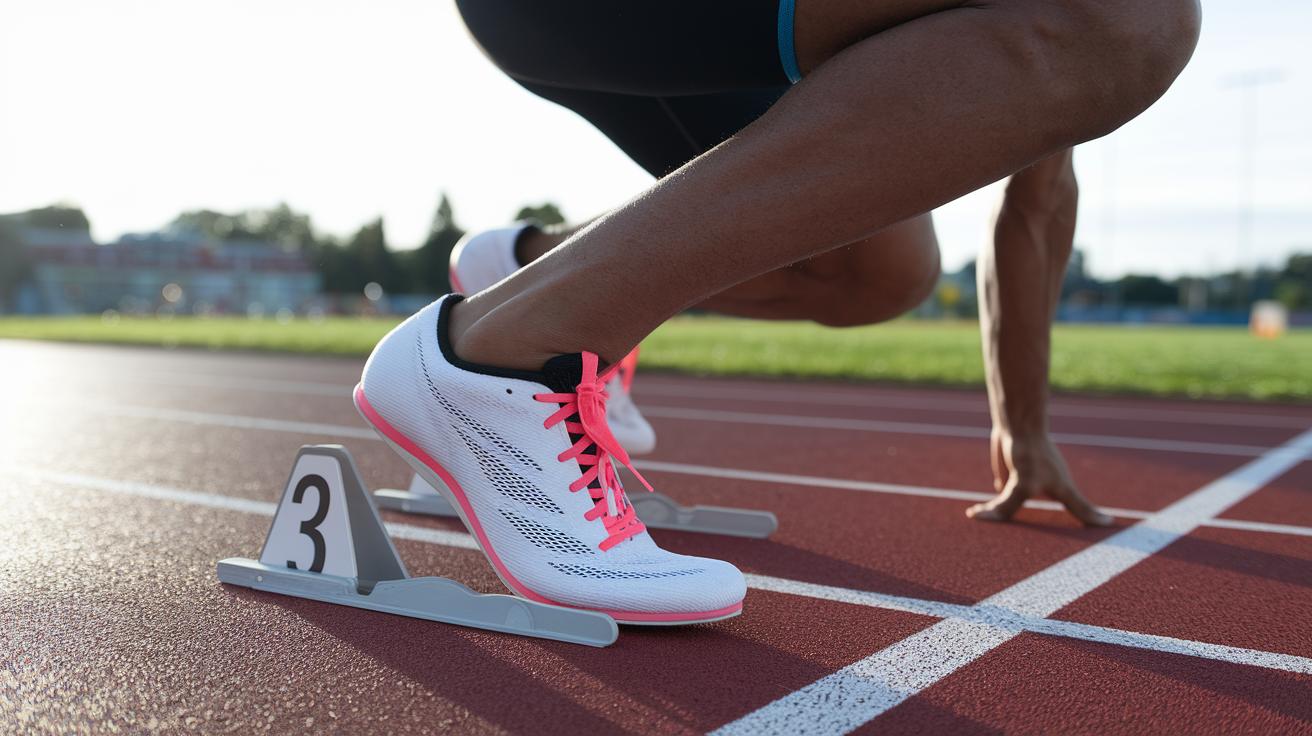
When picking out sprint shoes, try them on later in the day. Your feet swell as the day goes on, so an afternoon test run shows what the fit will really feel like during a race. Look for a snug heel, whether you opt for a modern Boa dial system (a quick tightening method) or classic laces. The idea is to stop any toe slippage, keeping your foot secure when you burst off the line.
Once you're on the track, run some simple drills. Do a few quick starts to see how well your shoes support that explosive kick-off. Try some tight pivot drills to check if the low center of mass and flexible forefoot (the front part that helps you move smoothly) give you the stability you need. And hey, simulate a turning drill to see if your shoes hold onto your foot when you make a rapid change in direction.
For instance, think about doing a fast pivot test. "I tried a start simulation on a warm track, and every turn felt natural and responsive thanks to the shoe’s grip and secure fit." This kind of hands-on trial gives you a real sense of confidence in your shoes long before race day.
Injury Prevention and Care for Your Best Running Shoes for Sprinters
When you're out on the track, choosing the right sprint shoes is key to keeping injuries at bay. Look for shoes with a soft cushion inside that soaks up each impact (that’s the shock-absorbing midsole foam) and extra arch support to keep your feet comfy. They often come with built-in foot compression support and a snug collar that holds your foot in place, so you get a stable stride during those fast, high-energy runs. Isn’t it great when your shoes feel like they’re a natural extension of you?
Taking care of your favorite pairs is just as important as picking them in the first place. Try rotating between two or three pairs so that each one gets some time to relax and bounce back after tough sprints. It’s like letting them catch a breather! Keep an eye on the spikes and any signs of wear to know when your shoes are losing their grip or structure, and always brush off any track debris after a run. Around 50 to 75 sprint miles, it might be time for a fresh pair.
- Check that the cushioning stays consistent and the fit remains secure.
- Rotate shoes regularly to extend their life.
- Inspect spikes and clean off debris after each session.
One sprinter shared, "After I started replacing my shoes on schedule, I felt more stability during sprints and recovered faster." Caring for your shoes not only makes them last longer but also helps keep you injury-free on the track.
Indoor Alternatives: Spike-Free Best Running Shoes for Sprinters
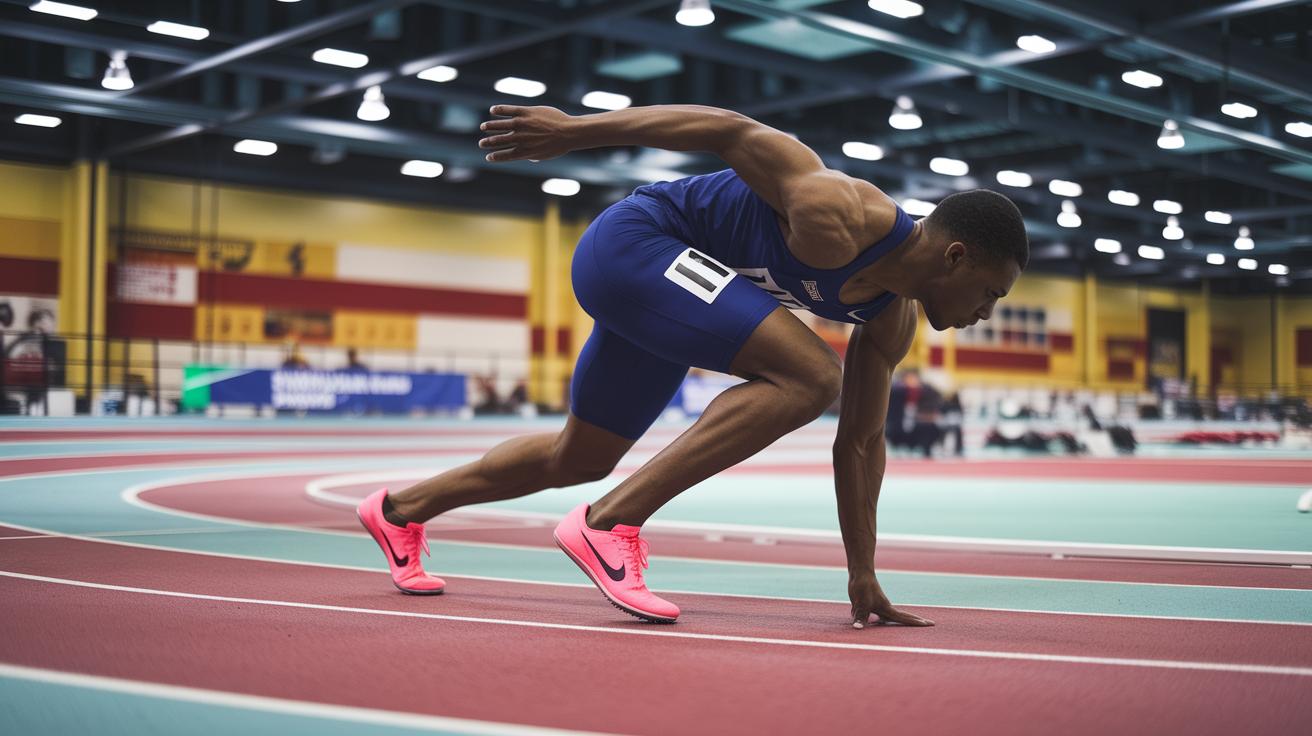
When you're on an indoor track where spikes aren't allowed, the Muscle Runner is a game changer. Weighing just 256 g, these shoes feel light, letting you pivot and twist around tight bends like you're dancing. With a low center of mass, your foot stays really close to the ground, giving you extra stability on those rapid turns.
Customers keep saying how these shoes improve cornering speed, making every drill feel faster and more precise. Imagine lacing them up for plyometric drills, you'll notice a little extra snap in your step, kind of like taking off after a well-timed jump. Try them out on a smooth indoor track, and you'll see how even a small boost can make a big difference.
They’re also built to keep up with high-intensity workouts. When you hit a quick pivot or an explosive start during a sprint, the responsive design channels your power perfectly, making each stride feel both quick and secure.
Final Words
In the action, we broke down top sprint shoes, highlighting performance features, fit tips, and injury prevention ideas. We compared options with spikes versus racing flats and even covered spike-free indoor alternatives. With hands-on tests and clear insights, the guide helps you choose the best running shoes for sprinters. Enjoy experimenting with your choice and embracing that extra spark of confidence for every race.
FAQ
Q: What are some top options for sprinting shoes mentioned on Reddit?
A: The discussion on Reddit reveals sprinting shoes known for lightweight builds and optimal grip, blending performance and comfort for explosive starts, making them popular among track athletes.
Q: Which sprinting shoes work best without spikes?
A: Sprinting shoes without spikes are designed with cushioned midsoles and excellent traction, ideal for indoor tracks where metal spikes aren’t allowed, while still delivering speed and quick acceleration.
Q: What shoes work well for track practice?
A: Running shoes for track practice combine a snug fit, lightweight design, and precise spike configurations to boost grip during tight turns and strong take-offs, enhancing overall sprint performance.
Q: What are the top recommendations for men’s sprinting shoes?
A: Men’s sprinting shoes offer supportive heel cups, responsive energy-return foams, and a secure fit specifically designed for explosive sprint starts and effective power transfer on the track.
Q: What shoes suit 5K and 10K runners?
A: Shoes ideal for 5K and 10K races provide superior cushioning, stable support, and energy-return technology, ensuring comfort and efficiency during longer track sessions and faster-paced workouts.
Q: What makes Nike running shoes effective for sprinting?
A: Nike running shoes incorporate ZoomX cushioning and lightweight materials that improve responsiveness and traction, making them a favorite choice for sprinters seeking consistent performance and speed.
Q: What are some good running shoes for beginners?
A: For beginners, the best running shoes combine comfort with performance features like shock-absorbing foams and secure lockdown systems, helping new runners build confidence and maintain proper form when sprinting.
Q: What characteristics define the best tempo running shoes?
A: The best tempo running shoes strike a balance between light weight, cushioning, and stability, helping runners maintain a steady pace during faster, more intensive workouts without sacrificing support.
Q: What is the best running shoe for sprints?
A: The ideal sprint shoe is lightweight, engineered with aerodynamic features and responsive foams that deliver explosive power, ensuring maximum performance and stability during rapid acceleration.
Q: What shoes are best for 100M races?
A: Shoes best for 100M races are built with a firm grip, minimal cushioning, and secure spike placements, all designed to enhance quick starts and maintain burst speed over short distances.
Q: What do 100M sprinters typically wear?
A: In 100M races, sprinters generally wear specialized track shoes with minimal cushioning and firm spike configurations that ensure a locked-in fit, optimizing power transfer during short, explosive efforts.
Q: Do running shoes make you sprint faster?
A: Running shoes enhance sprint speed by offering a secure, lightweight design with superior energy-return foams and advanced traction features that improve acceleration and overall track performance.
Q: What can be said about models like ASICS Men’s Novablast 5 and ASICS Men’s Metaspeed Sky Paris?
A: Models like ASICS Men’s Novablast 5 and Metaspeed Sky Paris provide responsive cushioning, a snug fit, and innovative design elements that cater specifically to the rigorous demands of sprint workouts.