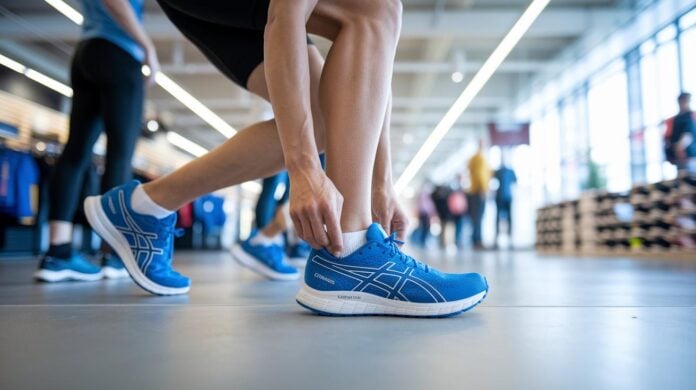

Ever wonder if your running shoes are holding you back? Fitting them is a bit like finding that one puzzle piece that perfectly matches your unique foot shape. It can boost your performance, help keep aches at bay, and make every step feel extra comfy. In this post, we'll chat about the simple steps a fitter takes to discover your ideal pair, so your run feels smoother and more secure. Ready to see how a perfect fit can turn your workout into a flawless stride?
What to Expect When Getting Your Running Shoes Fitted
Getting your running shoes just right really makes a difference. They work with your stride to boost your performance and even help keep injuries at bay. When your shoes feel like they were made just for you, every step is comfortable and secure. The fitter checks your foot shape, arch (that curved part on the bottom that cushions each step), and toe space to pick a pair that’s perfect whether you're sprinting or on a long run.
- First, you put on your usual running socks and stand on a device that measures your foot’s length, width, and arch height.
- Next, a fitter looks closely at your foot, checking the arch and width to make sure your toes have enough room.
- Then, you step onto a treadmill for a few laps. This simple test shows how your foot lands, ensuring a good midfoot grip and preventing any heel slip.
- After that, you try on the shoes to see if they snugly cradle your foot while still feeling light and free.
- Finally, a few small tweaks, like a special lacing style or some cushioning adjustments, ensure that everything feels just right.
Each of these steps is designed to help your shoes support your every move, keeping your feet happy mile after mile.
Measuring Foot Size and Shape for a Precise Fit
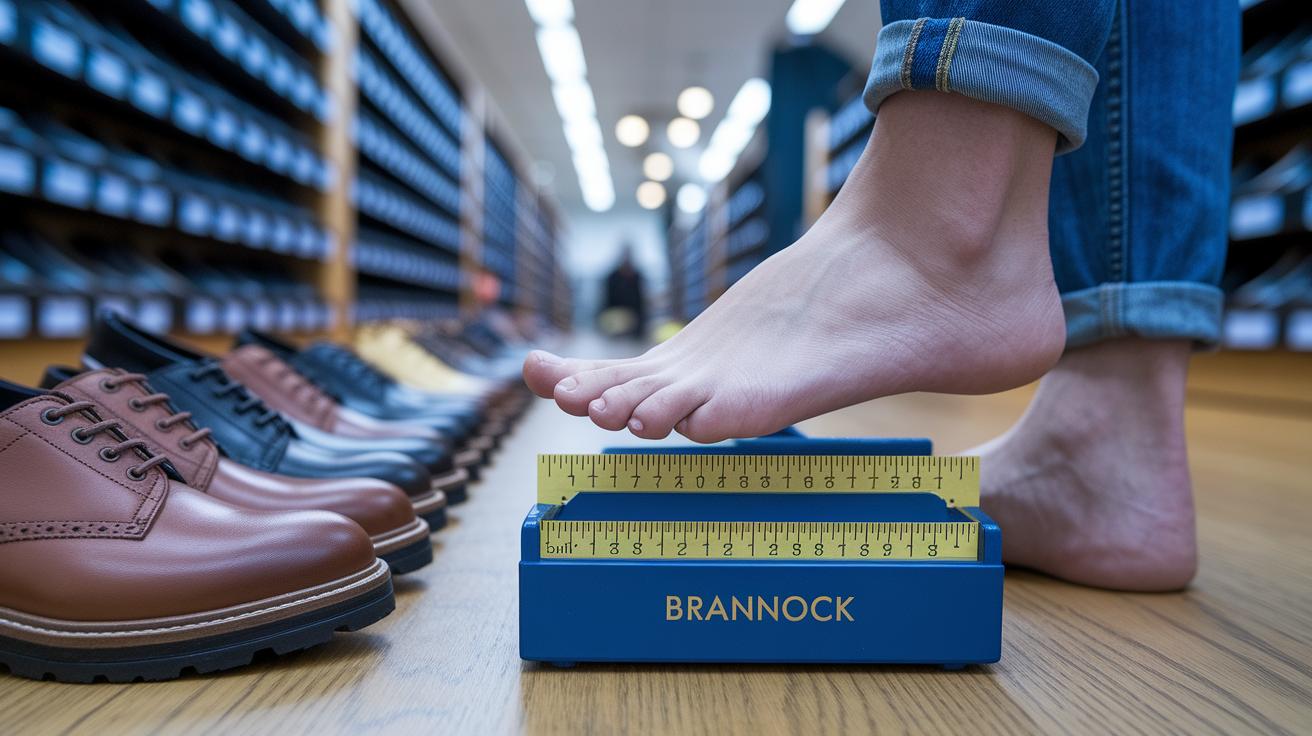
Getting your foot measurements right is super important for staying comfy and avoiding injuries. When your shoes fit your unique foot shape, every step feels a little bit better. Experts use special tools to pick up even the tiniest details about your foot, so your shoes have the perfect length, width, and arch support (that’s the soft inside that cushions your step). It’s like getting the right kit for a smooth run, whether you’re sprinting or jogging along.
| Dimension | Tool/Method | Key Metric |
|---|---|---|
| Length | Brannock device | Measured in 1/16″ increments |
| Width | Brannock device | Ranging from AA to EEE |
| Arch Height | Foot tracing or digital scanner | Shows arch contours and pressure areas |
After these measurements, lots of stores will even offer a runner’s size calculator or brand-specific size chart to help you zero in on that perfect fit.
Gait Analysis and Biomechanics Evaluation in a Running Shoe Fitting
A gait check can really help you cut down on running injuries by simply watching how your feet hit the ground. During this exam, a fitter uses a treadmill that's filmed or sometimes special mirrors to check if your foot rolls inward, outward, or stays straight. They also note how your ankles move, how long your steps are, and the overall way your feet work together. This check is super important because it tells us whether a neutral shoe, a stability shoe, or a motion-control shoe (which helps keep your foot steady) will work best for you. In short, matching your shoes with the way you move helps you run safer and feel more comfortable.
Video Treadmill Assessment
When you step onto the treadmill, a camera captures each of your steps, and you might even see your motion from different angles in a mirror. The fitter watches closely as each foot lands, checking your step timing and how your ankle moves. This set-up makes it easy to spot if you tend to roll your foot too much or not enough, so the fitter can figure out exactly what kind of support your shoes should have.
- Better alignment
- Fewer injuries
- More energy return
- Shoes with stability tailored just for you
Leveraging Technology: 3D Scanning and Digital Foot Assessment
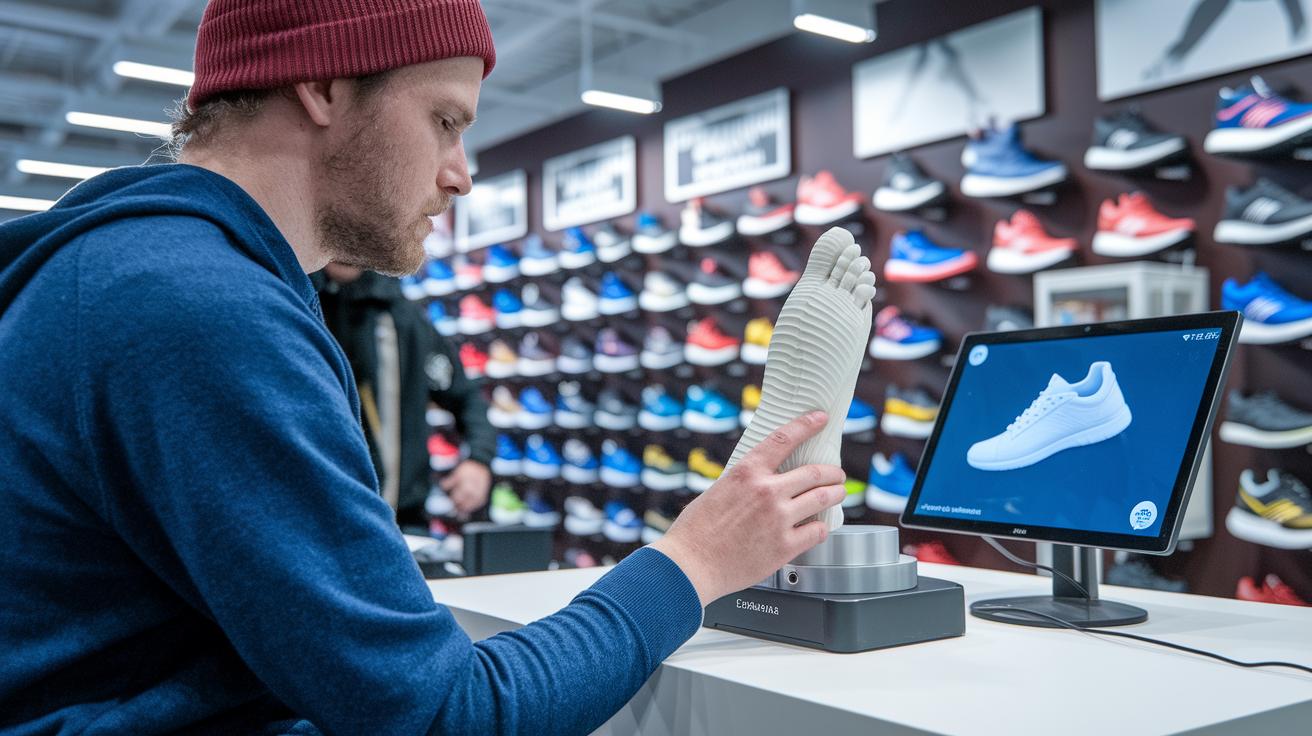
Today’s tech makes finding the perfect running shoe easier than ever. Imagine a cool 3D scanner that creates a digital model of your foot with an error of only about 0.5 mm – and it does this in less than a minute. Experts use these smart tools to pick up every little detail that makes your feet unique. That means you end up with shoes that truly feel like they were made just for you. Plus, pressure-mapping mats help spot high-load spots that need extra cushioning (that extra soft padding for comfort). And hey, some brands even have phone apps that let you do a quick virtual size check using your camera!
Here’s what makes it awesome:
| Factor | Detail |
|---|---|
| Speed | Your scan is finished in under a minute. |
| Precision | It catches fine details with about 0.5 mm accuracy. |
| Repeatability | You get consistent results every time. |
| Custom Recommendations | Advice is tailored to your digital scan. |
Merging this digital data is a real game changer. It even helps design custom insoles that match your foot’s unique support needs perfectly.
Custom Insoles and Adjustments for Optimal Running Comfort
Ever feel like your feet just aren’t getting the support they need? Custom insoles can be a real game changer if you’re dealing with issues like pronation or plantar pain while you run. When your foot feels off-balance or sore after a workout, a specialist can shape an insole to your exact foot curves. They use pressure data (think of it as a little map that shows where you need extra cushioning) to figure out the best spots for support, which helps your stride feel more natural.
Here’s how it works:
- Heat molding – They heat the insoles and mold them on-site so they perfectly follow the shape of your arch and heel.
- Arch support tuning – Using pressure data, the expert tweaks support pods to help keep your midfoot stable.
- Metatarsal pad placement – They add support pads right under the ball of your foot to ease pressure and improve balance.
After your fitting, you’ll take a trial run to see if everything feels just right. If not, small follow-up tweaks can be made to keep your step smooth and comfortable.
Getting Running Shoes Fitted: Embrace a flawless stride
Finding the right pair of running shoes really makes a difference. Some folks love the big-name stores like Fleet Feet or Road Runner Sports, where you can get free gait checks (that’s just a fancy way to say they watch how you run) and try on demo shoes. Others enjoy the personal touch of smaller boutique clinics, where you get one-on-one care. And then there are local running shops with certified fit professionals who truly know their stuff. With services like Nike Fit and Brooks Fit ID, you can book an appointment online and follow up in person, ensuring your shoes match exactly how you run.
Here's a quick rundown of your options:
- Fleet Feet consultation
- Nike Fit service
- Brooks in-store fit
- Local running specialty store
- Online virtual fit appointment
No matter which option you pick, calling ahead to check busy times can save you some waiting and help you get the best service. Happy running!
Final Words
In the action, we stepped through a fitting session, from picking the right socks and measuring your foot on a Brannock device to testing your gait on a treadmill. We also explored tech tools and local services that help you find that perfect run.
Every stage boosts comfort and style, making your steps feel lighter and more confident. Just imagine the joy of getting running shoes fitted that match your unique stride and personality. Keep moving forward with each step feeling secure and energized.
FAQ
Q: Why is a professional running shoe fitting important?
A: A professional running shoe fitting is important because it boosts performance and helps prevent injuries. It combines precise foot measurements, gait analysis, and adjustments to offer optimal comfort and support during your runs.
Q: What happens during a running shoe fitting session?
A: A running shoe fitting session starts with sock selection and foot measurement using a Brannock device, followed by arch and width assessments, a treadmill gait check, a try-on evaluation, and finally, a lacing and comfort check.
Q: How are foot measurements taken during the fitting?
A: Foot measurements are taken by wearing your running socks and using a Brannock device to accurately record length, width, and arch height, ensuring that your shoes precisely match your unique foot shape.
Q: What role does gait analysis play in a shoe fitting?
A: Gait analysis plays a crucial role by capturing your foot strike, stride, and pronation type on a treadmill. This information helps experts select shoes that suit your stability needs and reduce the risk of injury.
Q: How do 3D scanning and digital assessments enhance the fitting process?
A: 3D scanning and digital tools enhance the process by creating a detailed, accurate model of your foot in seconds. This technology offers precision and repeatability, assisting experts in making custom recommendations and adjustments.
Q: When should custom insoles be considered during a fitting?
A: Custom insoles should be considered if you experience pronation issues or foot discomfort. They are heat-molded and adjusted with arch support tuning or metatarsal pad placement to provide extra cushioning and biomechanical support.
Q: How can I find a local running shoe fitting service near me?
A: You can find a local fitting service at major retailers, brand-operated stores, or independent running specialty centers. Booking an appointment in advance ensures you receive personalized attention and a thorough evaluation.