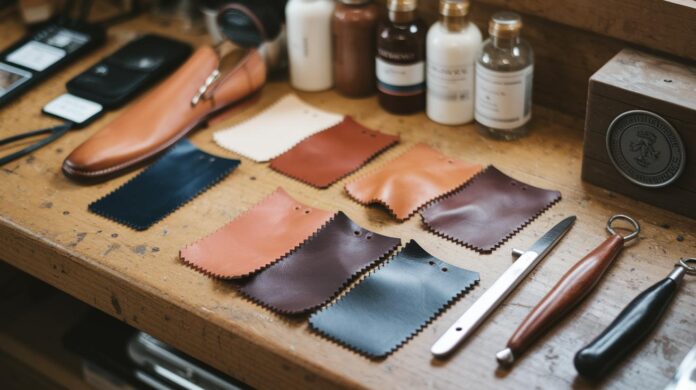

Ever wondered why a pair of custom shoes feels so special? It all begins with choosing just the right materials. They start with tough rubber soles paired with soft EVA foam (a light, squishy material that cushions your steps) and add leather uppers that wrap your feet in a gentle hug.
Each part is picked with care to offer both style and comfort. In our article, we dive into how these materials team up to create shoes that not only catch the eye but also make every step feel great.
Materials Used in Bespoke Shoes: Crafted for Excellence
Shoe making is really like an art. Every step, from getting the pieces ready to putting them together and giving them a final touch, matters a lot. Each part plays its own important role. For instance, a sole made of tough rubber keeps water away and is paired with EVA foam (the soft inside that makes each step comfortable) for cushioning. Fun fact: many shoe artisans even walk on them to be sure the feel is just right.
The uppers are usually made with leather and comfy textiles that help your feet breathe and move freely. This mix gives you both style and comfort. And the inner lining? Mesh helps pull moisture away, while leather gives a snug, custom feel, almost like a gentle hug. Every detail counts when it comes to a shoe that lasts.
| Component | Materials |
|---|---|
| Soles | Rubber for durability; EVA foam for cushioning |
| Uppers | Leather for flexibility; Textiles for breathability |
| Linings | Mesh for moisture-wicking; Leather for comfort |
Every material is carefully selected so that every pair stands out. The attention to these tiny details makes sure each component fits perfectly into the overall design and function. With quality kept at the forefront, these materials don’t just look good, they feel great and show off the true craft behind bespoke shoes.
Leather Selection in Bespoke Shoes
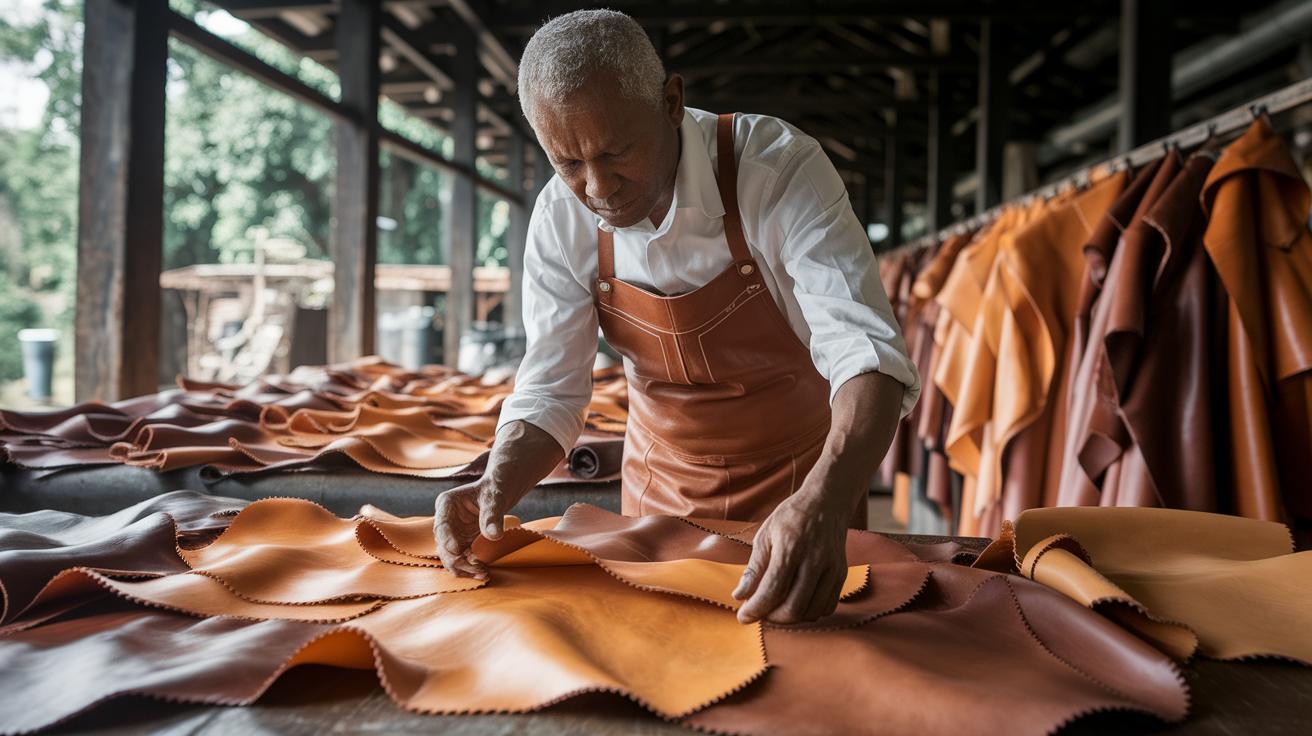
When it comes to making custom shoes, natural leather really stands out. Skilled artisans pick out hides known for their toughness and flexibility, which means your shoes not only look great but last a long time. They choose only the best full-grain and top-grain leather from trusted, traditional tanneries.
The secret is in the tanning process. Whether they use vegetable or chrome tanning, both methods boost the leather’s rich color and soft feel (that cushioned interior touch that makes each step comfy). Over time, the leather develops a unique look, sort of like how a favorite book becomes even more special with age. Pretty cool, right? Even Leonardo da Vinci believed that a fine leather hide could completely change the feel of an item.
These artisans blend time-honored techniques with newer practices to select the perfect calfskin with minimal flaws. Every hide is handpicked and treated to enhance its color and durability, ensuring your shoes look refined and stay comfortable every day.
Every step in choosing the right leather shows the true art of craftsmanship. And if you ever need tips on keeping your leather dress shoes in top shape, check out our Care Tips for Leather Dress Shoes. Each decision, from the type of hide to the tanning method, plays an important role in creating bespoke shoes that are as comfortable as they are stylish, each one with its own unique story as it ages gracefully.
Suede and Nubuck Varieties in Bespoke Shoes
Suede is made by lightly buffing the inner part of the leather. This gentle process leaves a soft, fuzzy nap that feels smooth underfoot, giving the shoe a laid-back charm. Artisans work closely with the material so you can really feel the natural grain shining through.
On the other hand, nubuck starts with sanding the outer side of the leather. This creates a velvety finish that feels plush and a bit fancy. Nubuck has a distinct look thanks to its fine open-cell structure, which helps make it strong and resistant to stains.
Both suede and nubuck get their lively colors from special dyeing methods. Protective treatments also help guard their delicate surfaces. Suede comes in cool, casual tones, while nubuck often boasts subtle embossed details that add a hint of sophistication.
Taking care of these shoes is key. Knowing how to clean your suede dress shoes can really keep that soft texture intact and extend their life. Regular cleaning and a bit of protective treatment ensure your bespoke shoes stay as stylish as they feel.
Exotic Hides and Rare Materials in Bespoke Shoemaking
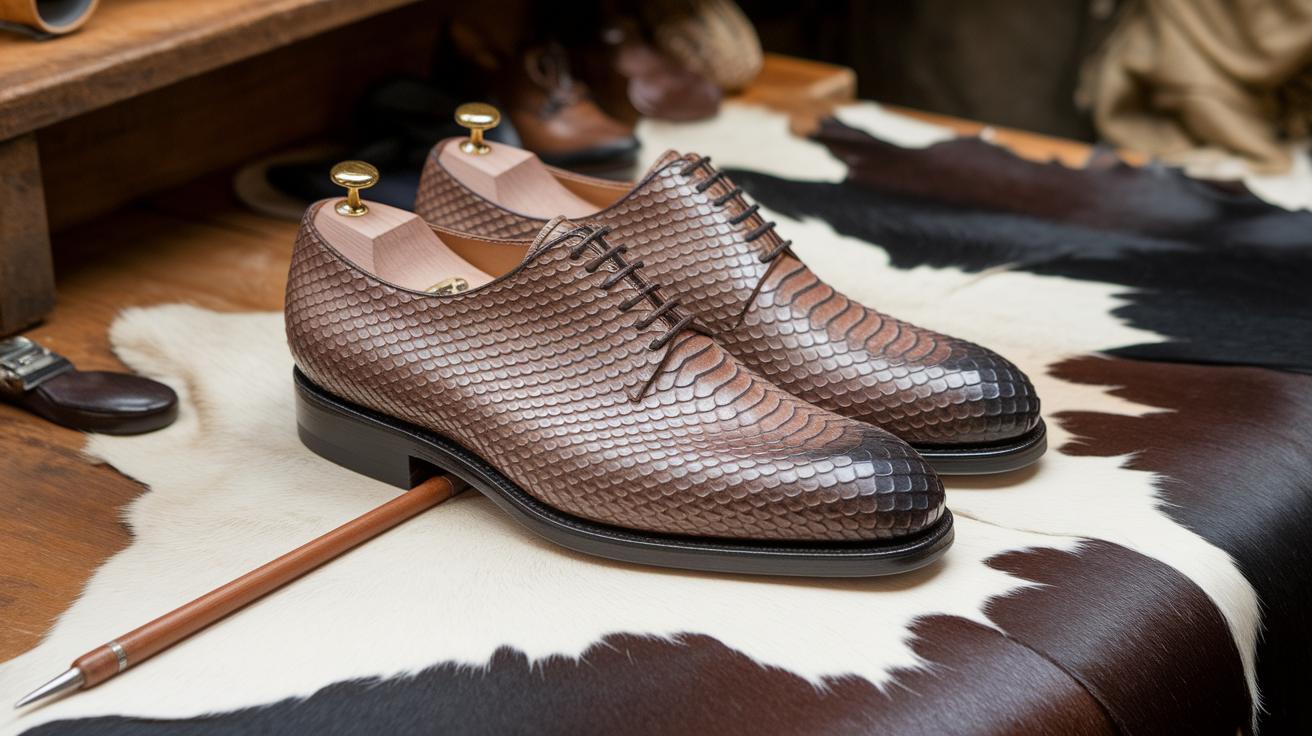
High-end bespoke shoes get a serious upgrade when they're made from exotic hides. Think alligator, ostrich, and python skins that show off unique scale patterns and textures. These materials aren’t just picked up; manufacturers follow strict rules and ethical rules to make sure you get top-notch quality while keeping things responsible. Imagine a shoe where each python skin scale speaks to fine craftsmanship, blending a wild look with a dash of luxury.
Besides these natural gems, designers are also mixing in rare composites like shell cordovan (a tough, shiny leather known for its lasting beauty) and clever fusion blends (materials that combine different fibers for extra strength). Shell cordovan adds a smooth, classic vibe that only gets better with wear, while fusion blends offer a sturdy yet luxurious feel.
Getting these materials isn’t easy either. It takes careful work and commitment to high ethics. Using such rare elements not only makes these custom shoes pop visually but also creates a unique story that collectors and fashion fans adore. Every pair of shoes becomes a little work of art where standout materials and skilled craftsmanship celebrate the beauty of something truly special.
Linings and Innersoles in Bespoke Shoes
Bespoke shoemaking is all about the little details that make every step feel just right. Custom lining is a big deal here. They pick fabrics like soft leather, smooth silk, or moisture-wicking mesh (that helps keep your feet cool and dry) to give you a feeling similar to wearing your favorite comfy sweater. It’s all about balancing comfort and breathability.
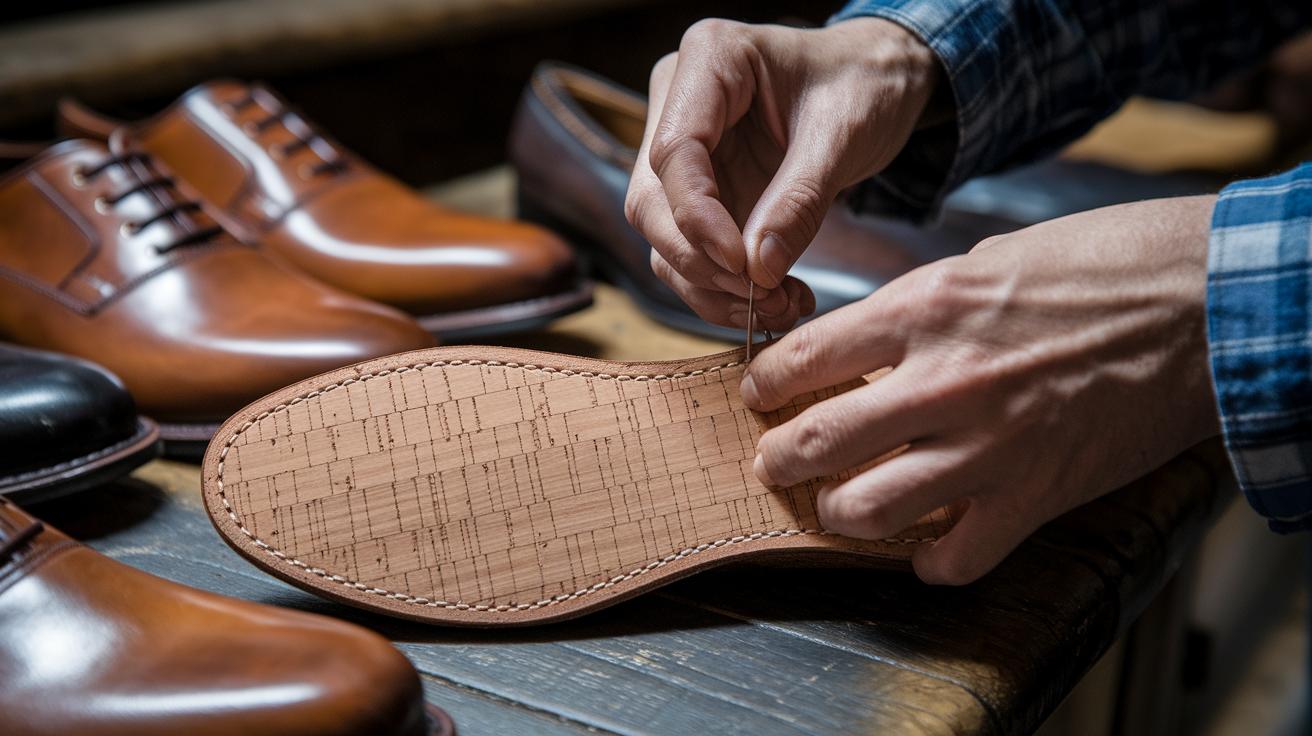
Then there are the hand-cut innersoles. Made from cork, EVA foam (that soft cushioning inside your shoe), or memory foam, they support your arches and soak up shock when you move. These modern insoles are shaped to fit your foot naturally, ensuring solid stability and a pleasant walk. Designers even craft a special footbed that feels like it was carved out just for you.
Using a custom lining not only makes the fit perfect, it also helps regulate temperature and control moisture. Every layer is designed to feel as if your shoe was created just for you, like a gentle hug that adapts with every step.
- Custom lining improves the overall fit
- Modern insoles support your foot’s natural curves
- Specialized footbeds boost arch support
It’s all about blending these elements to create an outstanding, tailor-made wearing experience.
Sourcing and Crafting Soles for Bespoke Shoemaking
Every bespoke shoe sole is crafted with care, blending premium materials with age-old techniques. Artisans often choose leather soles when they want that timeless, classic vibe. And when it comes to everyday grip and durability, many opt for rubber outsoles made from quality signature rubber (that special stuff ensuring extra traction during your busy day).
For those who crave extra comfort, midsoles built from cork or EVA foam deliver a soft step while keeping the shoe light. It’s like walking on a cushion that’s both supportive and gentle on your feet.
Skilled makers bring these soles to life using time-tested methods. They nail the hand-cut welt construction and Goodyear welting (a method that securely stitches the upper to the sole) to enhance strength and longevity. Then come finishing touches like beveling and a bit of painting, which add a stylish, artistic flair. Some even introduce a vintage outsole look to give the shoes extra character. Every detail is planned to ensure each step you take feels steady, stylish, and built to last.
All these superb materials and expert techniques combine to create a sole that supports every move you make and really reflects your personal style. The care in every element shows true craftsmanship, just like finding that perfect pair that feels made just for you.
Sustainable and Synthetic Materials in Bespoke Shoes
Modern bespoke shoemaking is taking a green turn. Artisans now work with natural fabrics like organic cotton and bamboo textiles to create a stylish, leather-free finish that feels fresh and genuine. They’re also reusing recycled rubber and mesh made from cleaned-up plastic to boost both durability and eco-friendly charm.
Designers have a cool trick up their sleeves too. They mix in synthetic alternatives like PU, polyester, and nylon, which are just fancy ways to say you get tons of color and texture options without breaking the bank. This means each custom pair tells its own story of style and care for our environment.
And guess what? Shoemakers are also embracing waterless dyeing techniques and renewable energy during tanning and assembly. This thoughtful process keeps traditional craftsmanship alive while stepping boldly into the future of green innovation.
Final Words
In the action, this article showcased the essential steps in crafting bespoke shoes, from hand-selecting premium leather and crafting suede finishes to using rare hides and sustainable options. It brought the idea of comfort, durability, and standout style to life with vivid descriptions of each shoe component.
This overview highlights how every choice, including the materials used in bespoke shoes, boosts quality and personal flair. Enjoy pairing your style with comfort and confidence.
FAQ
Shoe making materials list
The shoe making materials list covers items like leather, rubber, textiles, EVA foam, and cork that form the soles, uppers, and linings of bespoke shoes, offering durability and comfort.
Women materials used in bespoke shoes
The women materials used in bespoke shoes often include soft, premium leathers, luxurious textiles, and delicate linings that provide both comfort and a refined look for an elegant style.
Men materials used in bespoke shoes
The men materials used in bespoke shoes typically feature robust full-grain leathers, durable rubber soles, and quality textiles that ensure strength, comfort, and a classic finish.
Shoe making materials list with pictures
The shoe making materials list with pictures visually illustrates each component like natural leather, cushioned foam, and sturdy rubber, helping you see and understand how each material contributes to a superior shoe.
Best materials used in bespoke shoes
The best materials used in bespoke shoes are chosen for their quality and performance, including premium leathers, innovative textiles, and durable soles that collectively ensure comfort and longevity.
Handmade shoe making tools
The handmade shoe making tools include items such as lasting pliers, hammers, cutting knives, and specialized awls, which are crucial for crafting each shoe with precision and care.
Shoe making materials wholesale
The shoe making materials wholesale option offers bulk purchases of high-quality leathers, rubber, and textiles at competitive rates, meeting the needs of manufacturers and small businesses alike.
Shoe making tools PDF
The shoe making tools PDF is a downloadable resource that lists and explains the essential hand tools, providing a clear guide for both beginners and experienced artisans in shoe crafting.
What are the materials used to make shoes?
The materials used to make shoes include premium leathers, rubber, textiles, and cushioning foams that combine traditional craftsmanship with modern comfort and durability.
Why are bespoke shoes so expensive?
The bespoke shoes are expensive because they use high-quality, carefully sourced materials and involve skilled handcrafting, ensuring each pair meets superior standards for comfort and longevity.
What fabric is used to customize shoes?
The fabric used to customize shoes often includes silk, canvas, and other specialized textiles that are chosen for their unique texture, durability, and ability to provide a personal touch.
What do shoemakers use to make shoes?
The shoemakers use a mix of premium materials such as fine leathers, durable rubbers, quality textiles, and innovative cushioning compounds to create shoes that offer style, comfort, and durability.