

Ever feel like your runs are just missing that extra spark? If you land on the front of your foot, it might be your shoes holding you back. Picture a pair that gives you just the right cushioning (that soft comfort you feel when you push off with your toes) and a solid, bouncy support that makes every step feel natural. In this post, we’re sharing some top choices that help ease joint impact and boost your performance. Ready to step up your run?
Top Forefoot Striker Running Shoe Recommendations
If you’re a forefoot striker, these five shoes are definitely worth a look. They offer a smooth, precise cushioning and a clear ground feel that helps you push off naturally. Whether you’re out for a quick jog or training for race day, each pair is built to support every step. They use special midsole blends that cut down on joint impact and boost the energy you get when you push off with your toes.
| Shoe Model | Forefoot Stack (mm) | Heel Drop (mm) | Foam Type | Best Use |
|---|---|---|---|---|
| Nike Vomero 18 | 34 | 10 | ReactX/ZoomX | Seamless transition |
| Saucony Ride 18 | 32 | 8 | Pwrrun+ | Everyday training |
| adidas adios Pro 4 | 31 | 4 | EnergyRods | Race-day performance |
| Asics Superblast 2 | 33 | 8 | Flytefoam Blast | High-impact cushioning |
| Hoka Cielo Road | 30 | 4 | PEBA | Speed-focused short races |
The Nike Vomero 18 is a solid choice if you want a shoe that handles long runs and everyday training with ease. Meanwhile, the Saucony Ride 18 really stands out for its steady and responsive midsole feel. Then there’s the adidas adios Pro 4, which is designed for race day with a firm feel that might be a bit intense for regular training. The Asics Superblast 2 offers versatile support with cushioning that can handle high-impact runs. And if you’re gearing up for 5K or 10K races, the Hoka Cielo Road is a great pick, just be ready for a break-in period because of its snug upper.
Key Features for Forefoot Striker Shoes
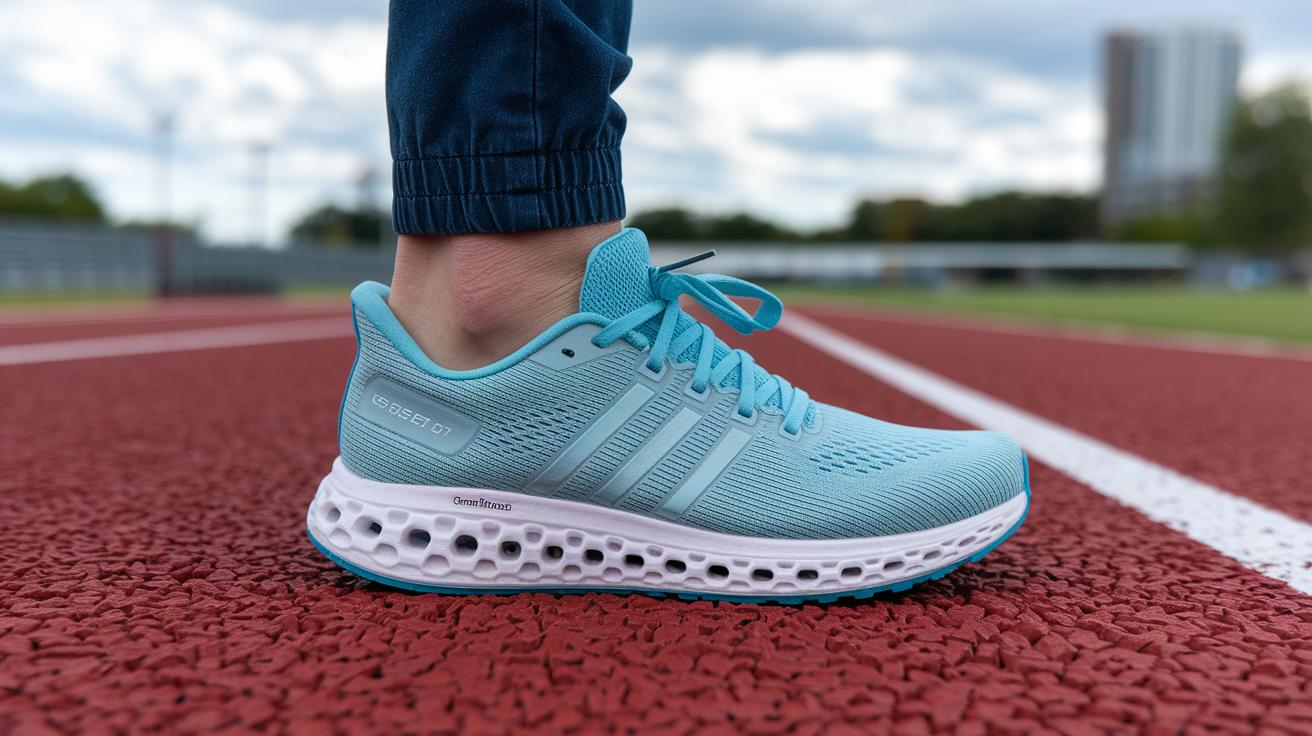
When you're on the hunt for forefoot striker shoes, two things really matter: the drop and the stack height. A heel-to-toe drop of about 0–8 mm keeps your foot in natural touch with the ground, and a forefoot stack height around 30–35 mm uses responsive foam (that soft cushion inside giving every step comfort) to reduce joint impact. This setup means you get enough cushioning without messing up your natural stride.
Plus, a flexible outsole gives you a better feel for the ground, and a secure midfoot lockdown with a firm heel counter holds your foot steady when pushing off. Check out these must-have features:
- Fit: Snug yet comfy to keep your foot secure.
- Flexibility: Lets your foot move naturally.
- Cushioning density: Absorbs shock evenly.
- Traction: Offers a strong grip on different surfaces.
Cushioning and Drop Explained for Forefoot Landings
When you run with your forefoot hitting the ground first, "drop" means the difference in cushioning between your heel and the ball of your foot. A lower drop, or even zero drop, helps you land naturally on your forefoot. This minimizes the stress on your joints and keeps your steps feeling light and quick.
This kind of setup is super important for forefoot runners. It boosts natural movement while keeping things comfy. Plus, modern midsole blends offer a layered softness that gently cushions your metatarsals (the bones in the front of your foot) with every step.
-
ReactX+ZoomX (Nike)
This design gives you a firm, stable base paired with a softer top layer. It makes transitions from foot strike to push-off really smooth. -
Pwrrun+ (Saucony)
This combo provides balanced cushioning with a lively feel that pushes you forward. It’s like getting a little energy boost every time you move. -
Flytefoam Blast (Asics)
Here, you get a cushy yet sturdy layer that supports quick bursts of speed while absorbing shock. It’s firm enough for support but still offers responsive comfort.
Using dual-density layering in the midsole creates a seamless shift from heel catch to toe-off. This method not only gives you the right cushioning, but it also improves your grip and energy return, ensuring each stride feels both secure and dynamic.
Transitioning and Injury Prevention for Forefoot Runners
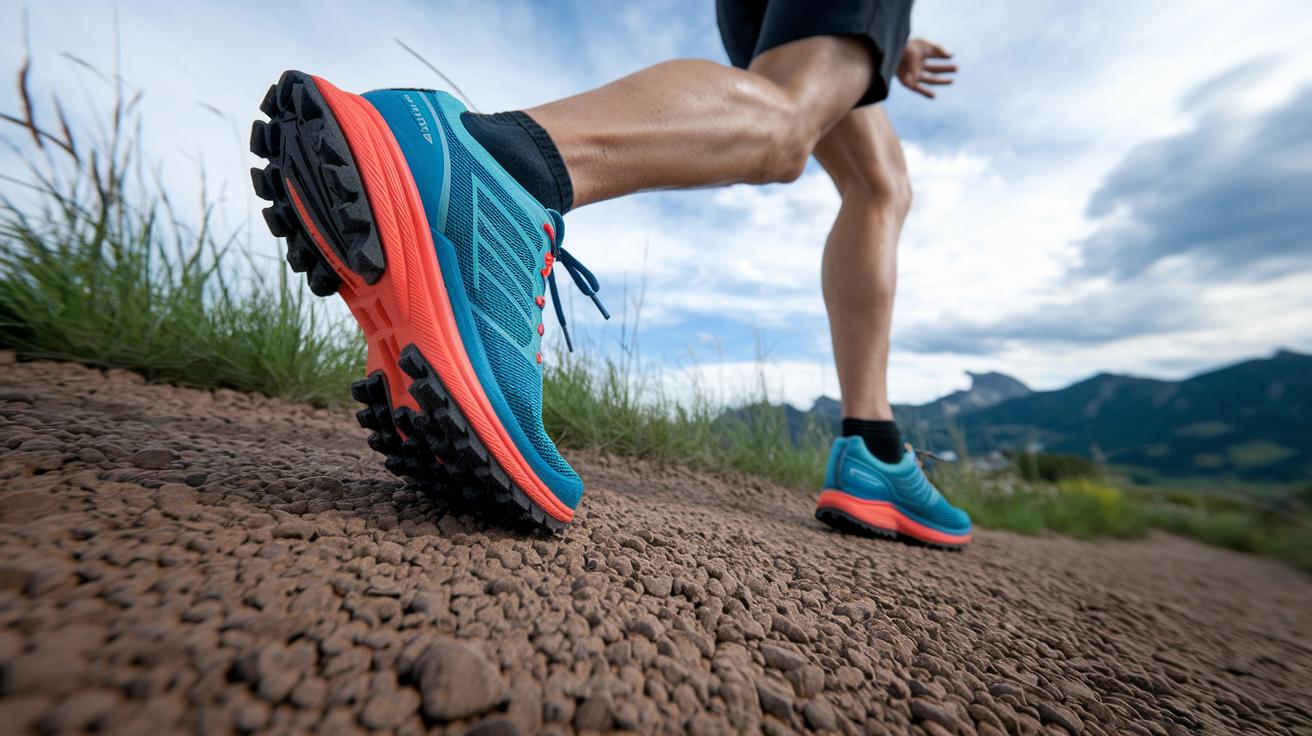
Switching to a forefoot strike can really cut down on joint impact and speed up your stride. But it also brings a few risks, like stressing your Achilles or calf. A 2014 study on biomechanics explains that easing into this change over 4 to 6 weeks gives your body time to adjust to that natural toe-off feel. This slow switch helps keep you from overdoing it while letting your muscles build strength for your new running style.
| Drill | Sets & Reps | Benefit |
|---|---|---|
| Single-leg heel raises | 3×12 | Strengthens your calves and sharpens balance |
| Hopping on balls of feet | 2×20 | Enhances foot quickness and stability |
Also, keeping to a 10% weekly mileage increase is key. This gradual build lets your muscles and tendons adapt safely, cutting down the risk of injury while perfecting your forefoot strike style.
Trail-Specific Shoes for Forefoot Strikers
Trail running means you need shoes that can keep up on rough, rocky paths, and these trail shoes really deliver. They come with bold outsole patterns and deeper lugs that grab tough terrain like a pro, even when the ground is loose or wet.
These shoes also pack in rock plates and sturdy toe protectors to keep your forefoot safe when the trail gets rough. Many models, especially from Hoka and Salomon, sport a low-drop design paired with PEBA midsoles (that’s a type of light, responsive cushion) so you can stick to your natural forefoot strike while facing off-road challenges.
• Hoka Challenger ATR – Loved for its protective build and bouncy, responsive cushioning.
• Salomon Sense Ride – Known for its bold tread and solid durability.
• Salomon XA Pro – Combines a low drop with extra reinforcements to tackle rugged trails.
Matching the right lug depth to the trail you run on is key to locking in traction and keeping your run both secure and comfortable.
Expert Insights and Community Reviews on Forefoot Shoes
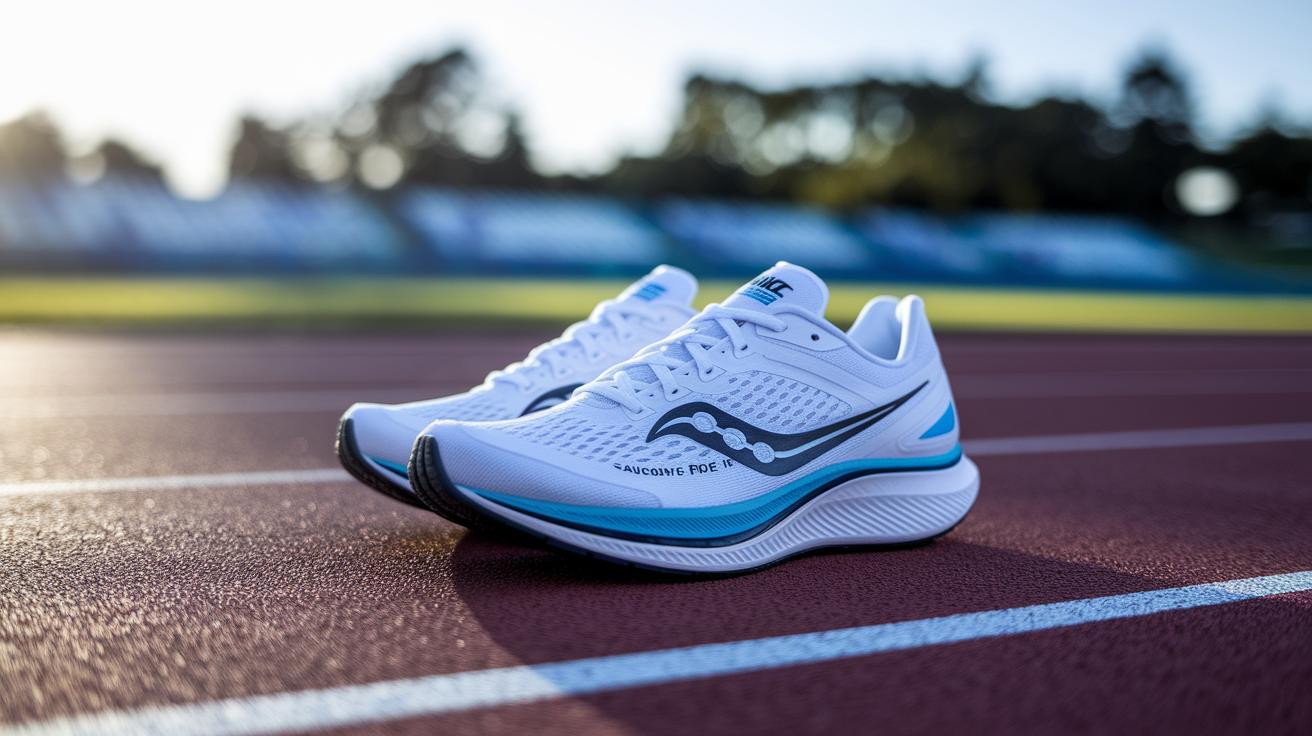
Running enthusiasts have been chatting about these forefoot shoes, and the buzz is real. Folks on running forums love how each pair brings something different to the table. For instance, the Saucony Ride 18 is celebrated for its lively cushioning (that soft inside that makes every step feel springy), the Nike Vomero 18 makes your run smooth from foot strike to push-off, and the adidas adios Pro 4 stands out on race days with amazing energy return, even though it might feel a bit firm for everyday jogs.
Saucony Ride 18
Pros:
• Features Pwrrun+ cushioning that offers a bouncy, responsive feel.
• Keeps you stable and balanced on longer runs.
• Feels light and comfy even after miles and miles.
Cons:
• The fit can be narrow for some runners.
• Fewer color and style options might leave you wanting more.
• Can feel a bit snug, especially on really long or intense runs.
Nike Vomero 18
Pros:
• Delivers a smooth transition from landing to takeoff, making every stride feel natural.
• Provides comfy cushioning for both the front and mid parts of your foot.
• Performs reliably, no matter the distance you’re covering.
Cons:
• Some runners note that the forefoot can feel slightly stiff.
• Comes with a higher price tag that might not suit every budget.
• Might seem too cushioned for runners who prefer a minimalist style.
adidas adios Pro 4
Pros:
• Offers a fantastic burst of energy on race day for that extra push.
• Includes a carbon-fiber plate, which is like an extra boost for moving forward.
• Designed to keep both your forefoot and midfoot secure, enhancing stability.
Cons:
• Its firm feel might not be ideal for your regular training runs.
• Offers less cushioning, making very long runs a bit of a challenge.
• Some need a short adjustment period before feeling completely at ease with them.
Trying on different models is key, what feels right for one runner might not suit another. So, give these a try and see which pair best complements your running style and comfort needs.
Final Words
In the action, we broke down how each model’s cushioning, drop, and design keep your forefoot active and supported. We covered key features like foam layering, transition tips, and trail-ready shoes along with community insights. The guide helps you see how a well-chosen pair boosts your style while keeping your comfort level top-notch. With all these details at your fingertips, finding the best running shoes for forefoot strikers becomes an exciting, step-by-step process. Enjoy picking your next perfect pair!
FAQ
What are the best running shoes for forefoot strikers?
The best running shoes for forefoot strikers feature extra cushioning and a low heel drop. Runners on Reddit favor models like Nike Vomero 18, Saucony Ride 18, and ASICS Superblast 2 for both men’s and women’s performance.
What is the ideal heel drop for forefoot strikers?
The ideal heel drop for forefoot strikers typically ranges from 0 to 8 mm, helping promote a natural landing on the ball of the foot and smooth transitions during toe-off.
Is forefoot striking bad for running?
Forefoot striking is not bad for running when practiced gradually with proper form and strength training. It can reduce joint impact while boosting quick leg turnover as your body adapts.
How can you forefoot strike while running?
Forefoot striking while running means landing on the ball of your foot. To do this, focus on a light, quick step, and gradually build strength with drills that emphasize soft, controlled landings.