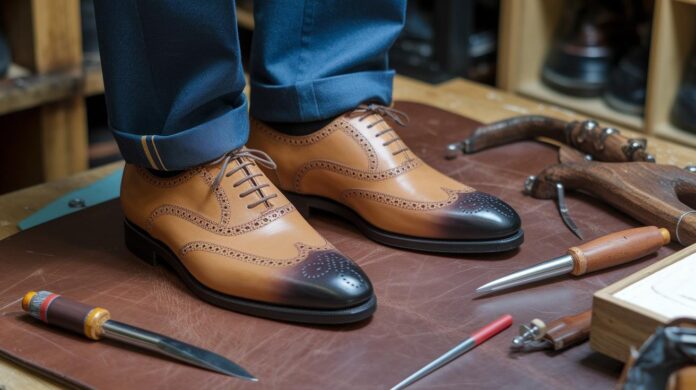

Ever notice how your shoes can show who you are? Custom shoe design means every stitch tells a bit of your life story. When you mix good research with creative sketches and the right base (that sturdy part that keeps your steps comfy), you turn simple shoes into a little piece of art. Our tips help you blend ideas with your personal style so your kicks are as unique as you are. Ready to rock a design that really speaks to you? Read on and see how every little detail adds up to one truly one-of-a-kind pair.
Realizing Unique Footwear with Bespoke Shoe Design Tips
First, do your homework. Look into the latest trends, what customers really want, what your competitors are doing, and even check out new advances in shoe tech (like cushioning, the soft inside that makes each step feel comfy). It’s setting the scene for something epic. For instance, you might say, "Before diving into custom shoe creation, see which colors and materials are winning people over."
Next, get a clear idea of what you want. Grab a pencil and quickly sketch out a few ideas. Think about the colors, logos, and basic shapes that speak to you. Write down thoughts like, "I want a modern twist on a classic style" and explore a color palette that feels right. It’s like laying a strong foundation before you add all the creative details.
Now, pick the right base shoe. Take a good look at its structure, how it's stitched, its interior setup (that comfy cushioning), and the craftsmanship. Understanding what makes the shoe tick helps you know exactly where to add your personal touch. It’s like choosing the perfect canvas for your artwork.
Then, have some fun with it. Mix in artistic elements and use unexpected materials or creative color combos. Imagine pairing rare leathers with bold stitching, it’s a playful way to make each pair really stand out.
Keep things moving by designing prototypes and trying them out. Ask yourself, "Does this shoe feel as good as it looks?" Use feedback from friends or customers to tweak the design until it nails both style and comfort.
Finally, don’t forget the basics. Go back and review every little detail, from where you place the logo to how the base shoe is structured. This ongoing process makes sure your shoes are not only stylish but also built to last while staying true to your unique vision.
Planning Your Bespoke Shoe Design Tips: Research & Concept Development

Begin by collecting info on today’s shoe trends and what buyers are really after. This step gives you a clear snapshot of the favorite styles and essentials that customers love.
Then, take a close look at what other designers have on offer. By checking out your competition, you might spot a gap where you can add your own twist. Keep an eye on new tech too, like fresh stitching techniques (that’s how each shoe is bound uniquely) or materials built for longer wear.
Mix your creative sparks into this research by crafting a mood board. Gather swatches, sketches, and images that capture your vision and tie it together with the market trends you discovered.
Next, sketch out your initial ideas to show what style you’re aiming for. These rough drawings work like a casual brainstorming session, giving you a solid base to chat about with partners.
- For example: Did you know that before designing his famous sneaker, a designer spent months testing out quirky fabric blends from leftover scraps?
Altogether, this approach lets you combine practical market research with creative flair for a one-of-a-kind bespoke shoe design.
Mastering Materials in Bespoke Shoe Design Tips
Start with full-grain leather, it’s natural, tough, and each piece tells its own story as it ages. Its smooth touch and unique marks give each shoe a cool character that only gets better with time. Then there's pebble-grain leather. It has a gentle texture that adds grip and a bit of extra charm to your design. And if you’re feeling adventurous, exotic leathers like alligator or ostrich spice things up with bold patterns and deep, eye-catching colors. Eco-friendly options are also a hit nowadays. These sustainable picks, often made from recycled or responsibly sourced leathers, help take care of our planet while still being strong and comfy.
Don’t forget about the hardware. Wooden shanks, for example, bring a flexible feel and a warm, natural vibe, unlike the typical metal ones which are harder and feel a bit chilly. Wooden pegs work too, offering a lighter and unique look compared to metal nails. For more details on these choices, you can check out the page on materials used in dress shoes (https://shubrand.com?p=278). Mix and match the right elements, and you’ll have a custom pair that’s not only eye-catching but built to last.
Refining Fit & Comfort with Bespoke Shoe Design Tips
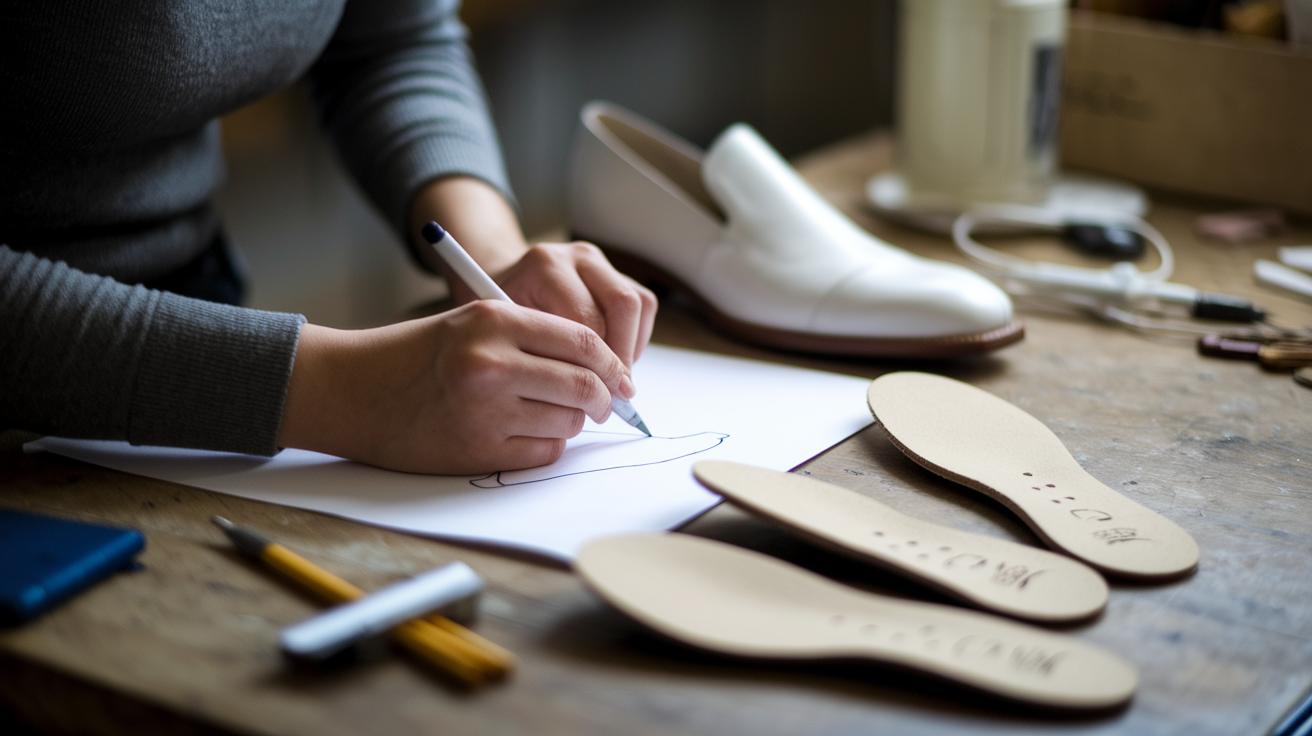
Start by tracing your foot carefully. Think of it like placing your foot on a piece of paper and drawing its outline. This hands-on method makes it simple to fine-tune the design later. Then, shape the shoe around a form known as a last (that’s the model that gives the shoe its shape, matching the curve of your foot) to ensure it fits just right.
Next, try on your custom shoes during a few quick trial sessions. Slip them on and really notice how your foot feels with the extra arch support. Custom arch supports (those comfy inserts that help keep your foot happy) can make a big difference. It’s a good idea to play around with different insole styles until you find the one that softens every step.
When it comes to the heel, start with a standard one-inch height. It’s a solid base, but if a bit more lift helps you feel balanced, go ahead and adjust it. Instead of worrying too much about every small cut detail, focus on how the shoe moves with you. Your comfort is what truly matters.
For more tips on taking accurate measurements, check out the dress shoe sizing guide at our website. When you focus on how the shoes feel as you wear them, your bespoke pair will really feel like it was made just for you.
bespoke shoe design tips: Amplify your unique style
Start by rethinking the usual features of shoes. Play around with the welt profiles (that sleek, decorative band along the edge), adjust the shape of the heel, and shift the seam lines to craft your own unique look. You might even try different toe shapes, a gently rounded tip or a sharper point, to add a fresh twist while still nodding to the classic design we all know.
Next, mix in a bit of art that reflects who you are. Imagine adding delicate embroidery along the edges, or placing a small monogram on the side. If you're using three initials on a narrow area, check that the letters are sized and spaced just right, so everything feels balanced. A pop of color, or a subtle design, can really turn a plain shoe into a mini masterpiece.
Finding the sweet spot between timeless style and your personal flair is key. Think about it like this: you could tweak the welt, switch up where the seams go, or even change the basic shape of the heel. Every little detail is a chance for your shoes to tell a story. For example, you might start with a traditional welt and then add a neat embroidery detail along the outer edge.
With some trial and error and a touch of creativity, your custom shoe ideas can turn everyday shoes into a true expression of who you are, combining classic design with your own personal twist. Let every step you take shout your unique style!
Collaborating with Your Shoemaker Using Bespoke Shoe Design Tips
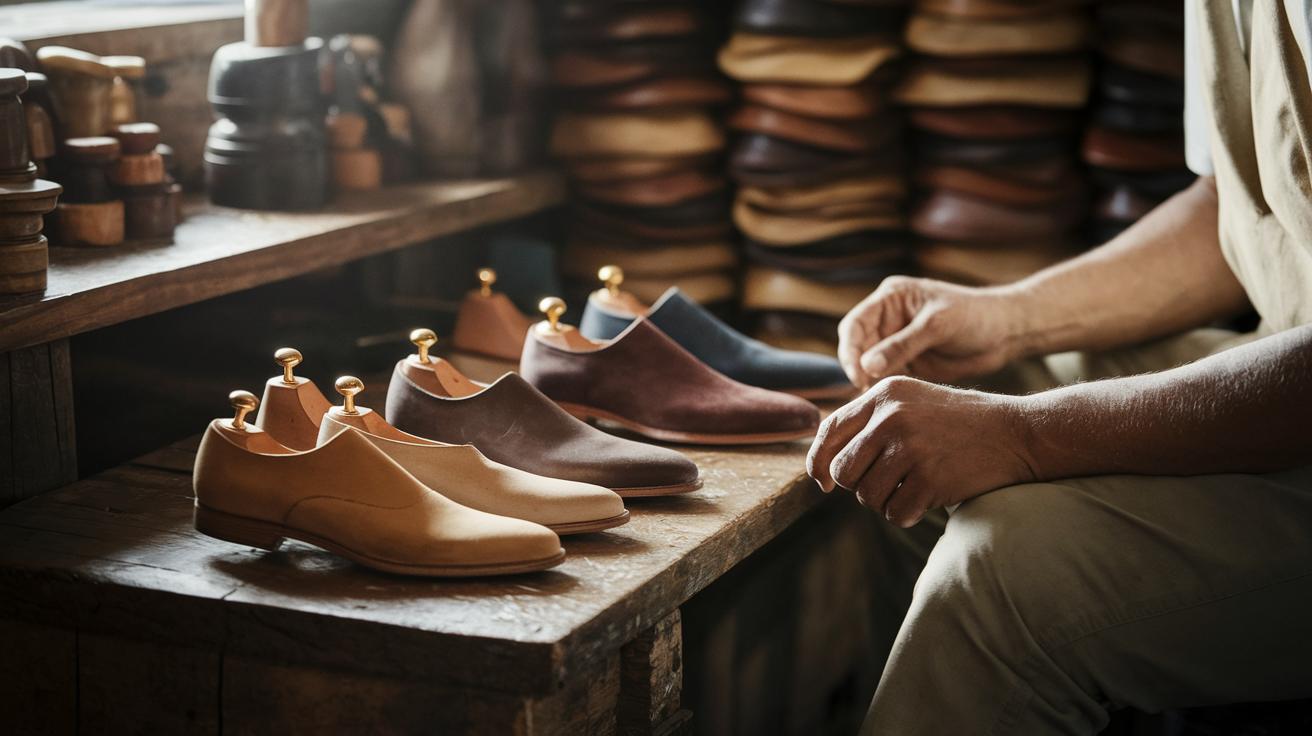
When you first sit down with your shoemaker, share your dream clearly. Tell them exactly how you want your shoes to look and feel. Say something like, "I’m going for a shoe that mixes classic style with a cool twist," so they know right away what you're after. This honest chat sets the stage for blending your vision with their expertise, kind of like picking out the perfect pair of kicks.
During each fitting, keep the conversation relaxed and open. If you have a special request, maybe you prefer a wooden shank for a warmer, more natural feel (that’s the piece inside that gives the shoe its shape!), don’t hold back. You might even ask for wooden pegs instead of metal nails to keep the look traditional. These little details really matter, so explain everything clearly as you go along.
Stick with the basics as your guide. A one-inch heel is a standard choice that usually feels just right for comfort and balance. And if you decide to tweak things a bit, just speak up. Clear and friendly communication makes sure you and your shoemaker are always on the same page.
For example, one client once said, "I like the idea of a wooden peg to add a unique flair, but I don’t want to stray too far from the classic look." That kind of feedback helped fine-tune the design perfectly.
Wrap up every consultation by outlining the next steps, like confirming the final leather orders and setting up future fittings. This clear plan keeps your creative collaboration smooth and ensures your custom design turns out just as you imagined.
Iterating & Finalizing Bespoke Shoe Design Tips
When you're tweaking your custom kicks, stick to the easy steps in the Unique Footwear and Refining Fit & Comfort sections. They break down how to build prototypes, gather feedback on comfort, fit (that’s how neatly the shoe hugs your foot), and style, and then fine-tune things like pattern cuts, materials, and detailing.
For example, you might jot down, "The cushioning (the cozy inside that makes each step comfy) is just right, but the toe area feels a bit tight," and then adjust the design accordingly.
Keep refining until every prototype not only looks awesome but also feels perfectly made for you.
Final Words
In the action of crafting custom kicks, we jumped straight into research, creative planning, and choosing the right materials, all built on a solid concept of color, texture, and smooth fit. You saw how every detail, from initial sketches to final adjustments, plays a role in getting that standout design.
Bespoke shoe design tips guided every step, helping you blend comfort with style. Enjoy the creative process and step out with renewed confidence in your perfectly tailored pair.
FAQ
What are the best bespoke shoe design tips?
The best bespoke shoe design tips start by researching trends and gathering a strong concept, then choosing quality materials and precise measurements. This approach ensures a unique, comfortable look.
What are some men bespoke shoe design tips?
Men bespoke shoe design tips include picking timeless styles, using quality leathers, and focusing on a comfortable fit. These strategies produce shoes that combine style with lasting functionality.
What are 5 things considered in the design of a shoe?
The five aspects in shoe design include selecting a solid base, choosing high-quality materials, ensuring proper fit, balancing creative detailing, and considering overall functionality.
How many hours does it take to make bespoke shoes?
Making bespoke shoes usually takes around 20 to 50 hours. This timeframe depends on design complexity, material selection, and the detailed craftsmanship involved.
What is the best AI tool for footwear design?
The best AI tool for footwear design integrates market data and creative modeling to inspire innovative designs. It helps designers efficiently refine concepts and visualize details.
What are the 5 steps in the sneaker design process?
The five steps in sneaker design are developing a clear concept, selecting materials, sketching detailed designs, creating prototypes, and refining until the final product meets style and comfort standards.